
People ask me the same thing at barbecues once they spot the little machine humming along: does it actually look as good as a proper mow? It is a fair question, because the two approaches produce genuinely different lawns, not just the same result by different means. One gives you crisp stripes on Saturday and shaggy growth by Thursday. The other gives you a carpet-even surface every single day but no showroom stripes. Neither is wrong. Which you prefer depends on what you actually want when you look out the kitchen window, so let me lay both out plainly.
The Traditional Cut: Stripes and a Fresh Reset
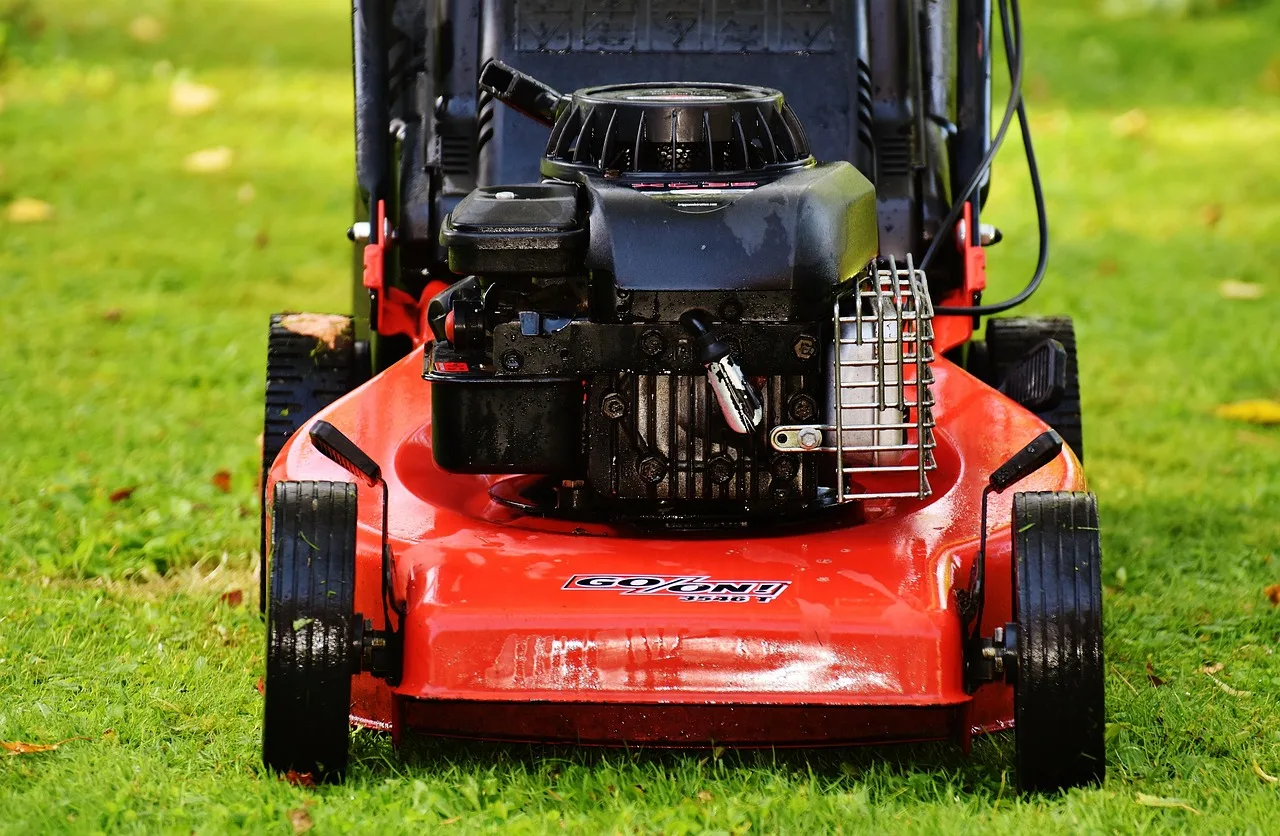
A push or riding mower removes a big chunk of height in one weekly pass, and that is its whole character. The roller and wheels bend grass in alternating directions, so you get those handsome light-and-dark stripes that read as a manicured lawn. It looks fantastic the afternoon you finish. The trade-off is the growth curve: the grass is shortest just after mowing and noticeably longer by day five or six, so the lawn cycles between crisp and shaggy every week. You also bag or rake clippings, or leave clumps that can smother patches if the grass was tall.
For the bigger picture, our main guide How Robot Mowers Change Lawn Care for the Better sets the scene.
The Robot Cut: Even Every Day, No Stripes
A robot mower does the opposite. It trims only a few millimeters daily, cutting a little and often rather than a lot at once. The result is a lawn that sits at a constant, even height all week with no long-then-short cycle. What you sacrifice is the stripe. Most robot mowers wander in overlapping random patterns and use lightweight wheels, so they do not bend grass into the neat rows a heavy roller creates. The surface looks less like a striped ballpark and more like a dense, uniform green carpet, tidy but flat in appearance.

Lawn Health: Where the Robot Pulls Ahead
Under the surface the robot approach usually wins on agronomy. Cutting little and often keeps grass in active growth without the shock of losing a third of its height at once, which university turfgrass guidance generally favors. The tiny clippings fall between the blades and break down fast, returning nitrogen to the soil in a process called grasscycling. Over a season that steady feeding thickens the turf and helps crowd out weeds and moss. A traditional weekly cut can still grow a beautiful lawn, but it asks more of your fertilizer and leaves the grass stressed right after each pass.
Edges and Detail Work: Where Tradition Wins
Robot mowers have one honest weakness: edges. Their blades sit inboard from the shell for safety, so they cannot reach right to a wall, fence, or bed border, leaving a thin fringe of longer grass. A push mower gets closer, and a walk-behind owner usually trims edges the same day. With a robot you handle edges separately with a string trimmer every couple of weeks. Tight corners, narrow strips under three feet, and fiddly island beds also suit a human with a mower better than a machine following a wire or GPS map.
Robot Mown vs Traditional at a Glance
- Stripes: traditional wins, robot leaves no stripes
- Everyday evenness: robot wins with a constant height
- Lawn health: robot edges ahead through grasscycling
- Edges and corners: traditional trims closer
- Weekly effort: robot needs almost none
- Noise: robot runs quietly at 55 to 60 dB
- Clippings: robot mulches, traditional often bags
- Weed and moss pressure: robot's dense turf helps
- Upfront cost: robot is higher, traditional is cheaper
- Showpiece events: traditional or a hybrid approach shines
- Slopes and rough ground: depends on the specific machine
- Best all-rounder: a robot with occasional hand detailing
It helps to read this alongside Robot Mowers and Moss: What Actually Happens.
Time, Noise, and the Weekend Question
The effort gap is enormous and it is the real reason most people switch. A traditional lawn costs you a sweaty hour or two every weekend through the season. A robot reclaims that time entirely, running itself on a schedule while you do literally anything else. It also runs quietly, around 55 to 60 dB, so it never wrecks a Sunday morning, though some HOAs restrict night mowing. The push mower wins only if you genuinely enjoy the ritual, and plenty of people do. Be honest with yourself about whether mowing is a chore or a hobby.
For broader background, water-smart landscaping from the EPA WaterSense program is a solid reference.
The Verdict: Match the Look to Your Priorities
So which lawn looks better? If your dream is a striped, freshly barbered showpiece for the weekend and you enjoy the work, a traditional mower still delivers a look a robot cannot match. If you want a consistently tidy, healthy lawn every day of the week with almost no effort, the robot is the clear pick, provided you accept a flat, stripeless finish and handle edges yourself. Many owners run both: the robot for daily upkeep and an occasional push-mower pass before a big event to lay down stripes for the party.
A final word
Comparing the two really comes down to a single honest question: do you want a lawn that peaks on Saturday, or one that looks the same tidy green every day of the week? Traditional mowing still owns the striped showpiece and the crisp edge, while the robot owns everyday evenness, grass health, and your weekends. Most people who try the daily cut stop missing the stripes within a month, but if that ballpark look is your whole reason for mowing, keep the push mower. The best answer for many yards is simply both, each doing what it does best.
Our companion piece, How Robot Mower Mulching Feeds Your Lawn, picks up where this leaves off.