Seeding a new lawn is a slow, hopeful project, and the last thing you want is a machine tearing up the tender results before they take hold. When I overseeded a bare corner two springs ago, I kept the mower fenced out of it for weeks, and I am glad I did. Young grass has shallow roots and pulls out of soft soil with almost no effort, so timing is everything. This guide walks through when it is genuinely safe to let the robot in, how to set it up gently, and the small precautions that protect all that patience and seed money.
Why New Grass Needs Special Care
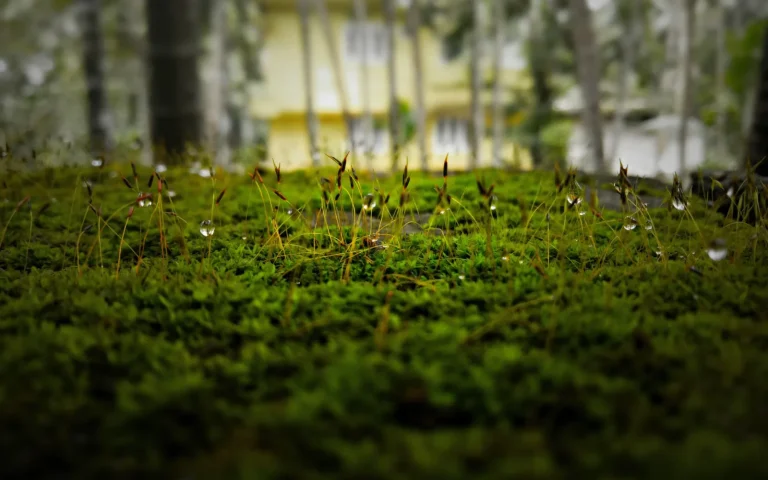
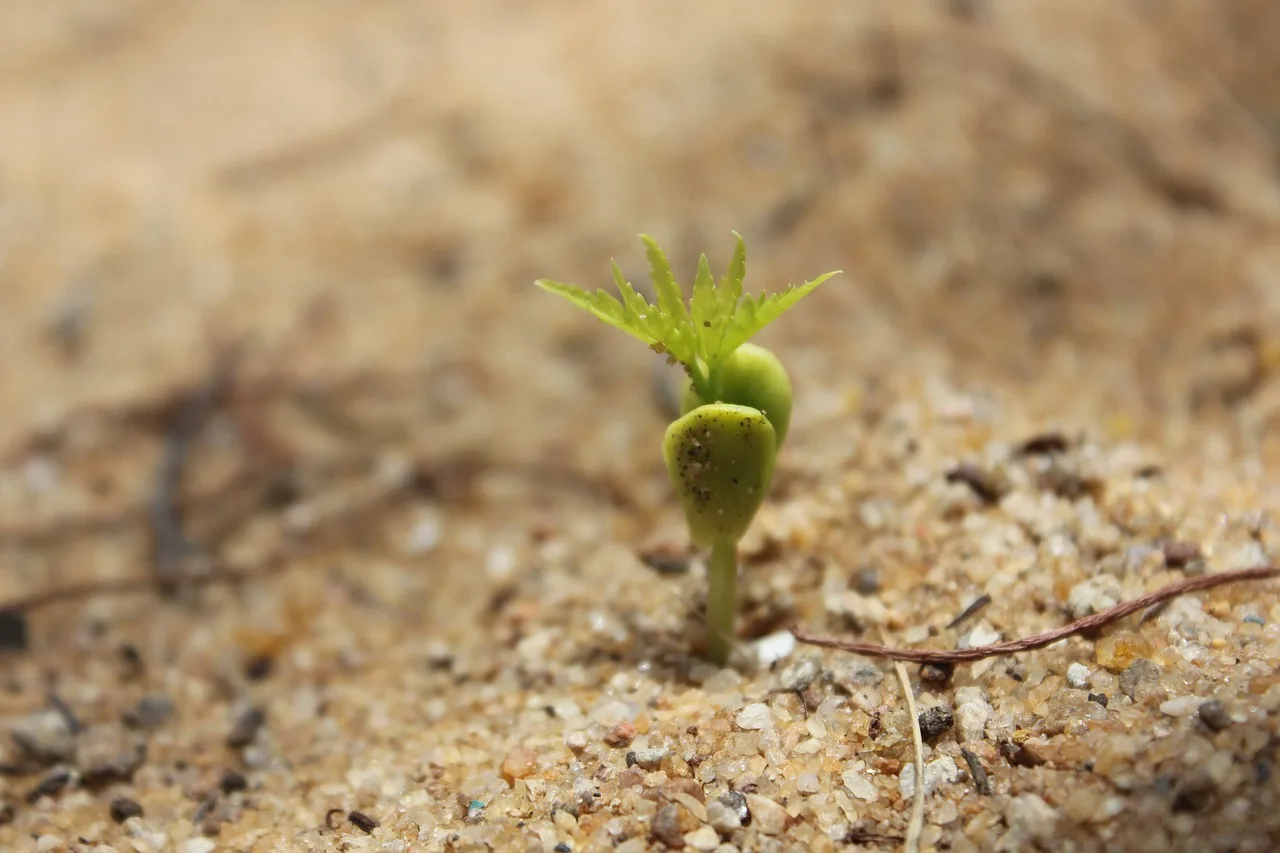
Freshly germinated grass is fragile in a way established turf is not. For the first few weeks the roots are shallow and the soil is often soft and moist from frequent watering, so anything with wheels and a spinning blade can uproot seedlings or leave ruts. A robot mower is lighter than a push mower, which helps, but it still exerts pressure and its wheels can slip and scuff on damp, loose ground. Treating a new lawn like an established one is the fastest way to undo weeks of germination, so patience here genuinely pays off in a thicker final lawn.
For the bigger picture, our main guide How Robot Mowers Change Lawn Care for the Better sets the scene.
When It Is Safe to Start Mowing
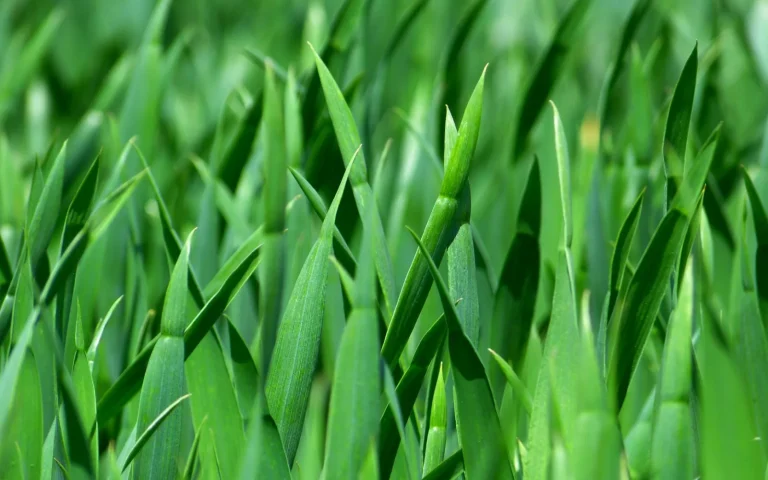
The common rule from turfgrass extension guidance is to wait until new grass reaches about 3 to 3.5 inches before the first cut, which usually takes several weeks depending on species and weather. For the very first pass, most experts suggest a regular mower on a high setting so you can control it precisely and check the ground. Only once the lawn has been mowed a few times and the roots have knit into the soil, often 6 to 8 weeks after germination, should you hand daily duty to the robot. Rushing this window is the single biggest risk to a new lawn.
Setting the Cutting Height High
When the robot finally takes over, start it at the tallest setting your model allows, toward the 2.4-inch end of the typical 0.8 to 2.4 inch range. Cutting young grass high removes only the very tips, encourages deeper rooting, and leaves plenty of leaf to keep photosynthesis going. You can lower the height gradually over the following weeks as the lawn thickens and toughens. A tall first robot cut also means less shock, since the machine is only skimming a few millimeters rather than taking a big bite out of still-tender blades.
Fencing Off Bare and Repaired Patches
If you are overseeding rather than starting from scratch, you will have a mix of established turf and fresh bare patches. Use no-go zones in the app, or a temporary loop of boundary wire, to fence the robot out of the newly seeded areas while the rest of the lawn gets mowed normally. This lets the mature grass stay tidy without endangering the seedlings next to it. Once the repaired patches catch up and firm in, you simply delete the no-go zone and let the machine roam the whole lawn again.
New Lawn Rollout Timeline and Checks
- Water and let seed germinate, keep all mowers off
- Wait until grass reaches about 3 to 3.5 inches
- Do the first cut with a regular mower set high
- Mow a few times before introducing the robot
- Wait roughly 6 to 8 weeks after germination for daily robot use
- Set the robot to its tallest cutting height first
- Fence off any bare or overseeded patches with no-go zones
- Run only during the driest part of the day
- Skip mowing after heavy watering or rain
- Watch for wheel slip and track marks
- Lower the height one notch at a time as grass toughens
- Monitor the new area for the whole first season
We break down the next step in Lawn Care Mistakes New Robot Mower Owners Make.
Watching Traction on Soft, Wet Soil
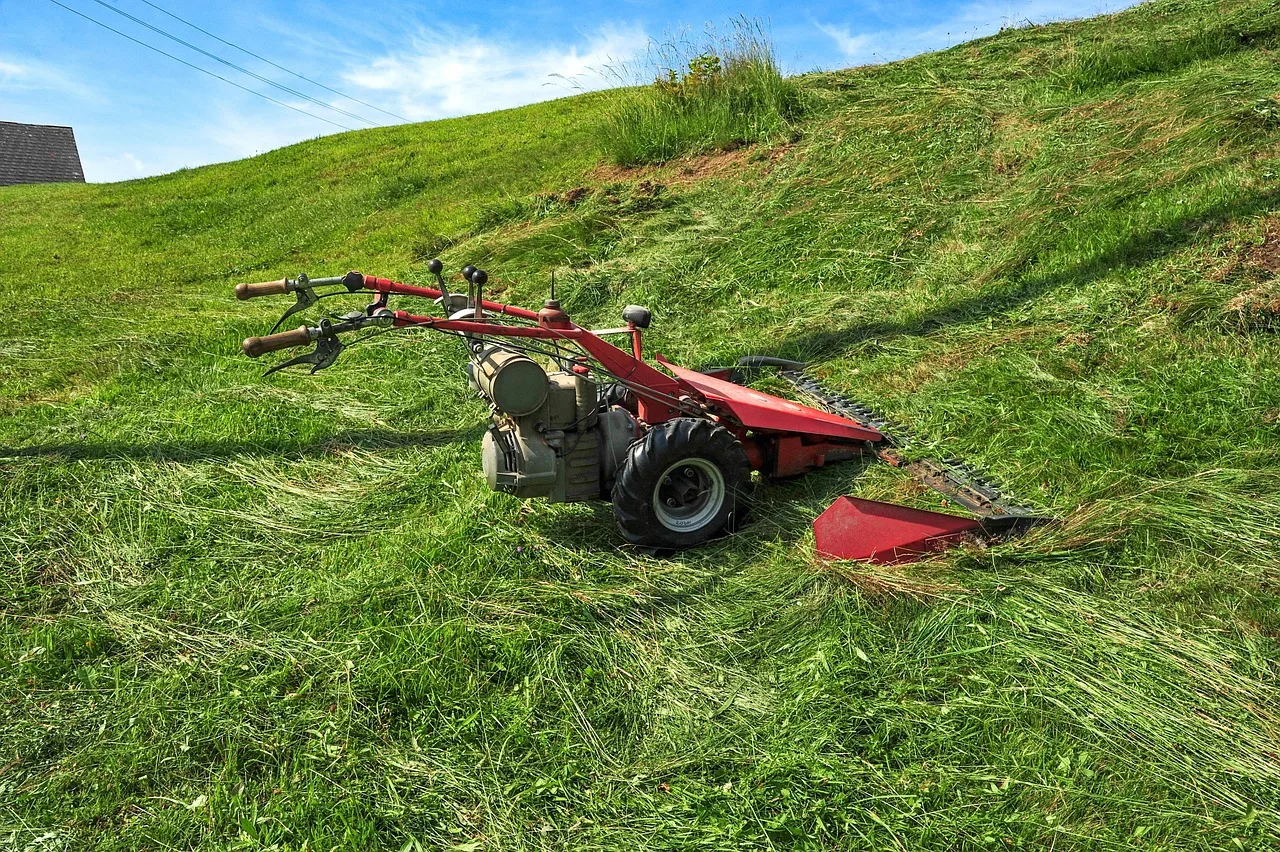
New lawns get watered often, so the soil underneath stays soft and the surface stays damp, both bad for traction. Even a light robot mower can spin its wheels and gouge divots in loose ground, and those scars take a long time to heal on young grass. Schedule the first robot runs for the driest part of the day and skip mowing entirely after heavy watering or rain. Keep the rain sensor on. If you see any wheel slipping or track marks, pull the mower off the new area for another week and let the soil firm up.
You can also dig into water-smart landscaping from the EPA WaterSense program for the wider science.
Easing Into a Normal Routine
Once the new grass has been cut a few times, roots have anchored, and the surface holds firm under a footstep without sinking, you can settle into the standard little-and-often routine. Lower the cutting height by one notch at a time over a few weeks until it matches the rest of the lawn. Keep an eye on the freshly established area for the first full season, since it recovers more slowly from any stress than mature turf. After that first year the new patch behaves like any other part of the lawn and needs no special handling.
The short version
A new lawn rewards restraint. Keep every mower off it until the grass stands tall enough and the roots have taken hold, then ease the robot in gently on its highest setting during dry hours. Fence off tender patches, run the simple footstep firmness test, and drop the height only a notch at a time. Do that and the young grass thickens into the rest of the lawn without a single torn seedling to show for the wait. A season of patience here buys you years of the effortless daily cut that made you want a robot mower in the first place.
This connects neatly with Do Robot Mowers Actually Help Your Grass?.