When I unboxed my first robot mower, I braced for a chore list as long as my arm. The reality turned out to be almost embarrassingly light. These machines are built to be left alone, and the upkeep boils down to a handful of small habits: keep the blades sharp, wipe off the grass, mind the battery, and glance at the app now and then. Do those and a good mower will quietly run for five to ten years. Skip them and you invite avoidable faults. Here is the whole picture in plain words, so nothing about caring for one feels mysterious.
What Upkeep a Robot Mower Actually Needs
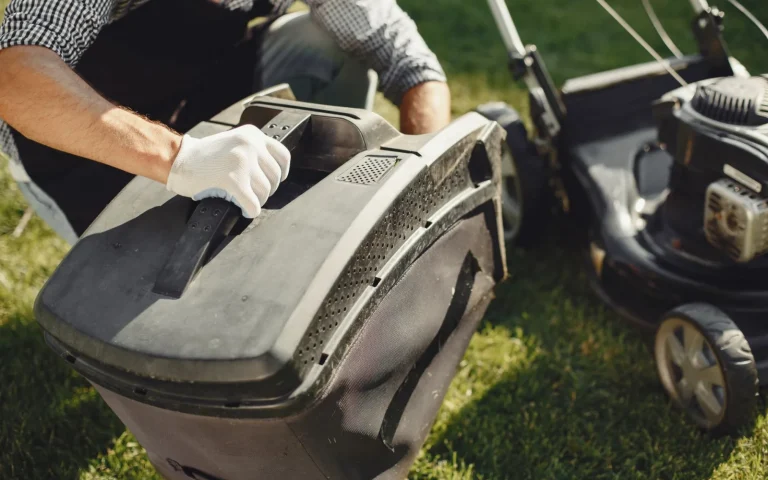
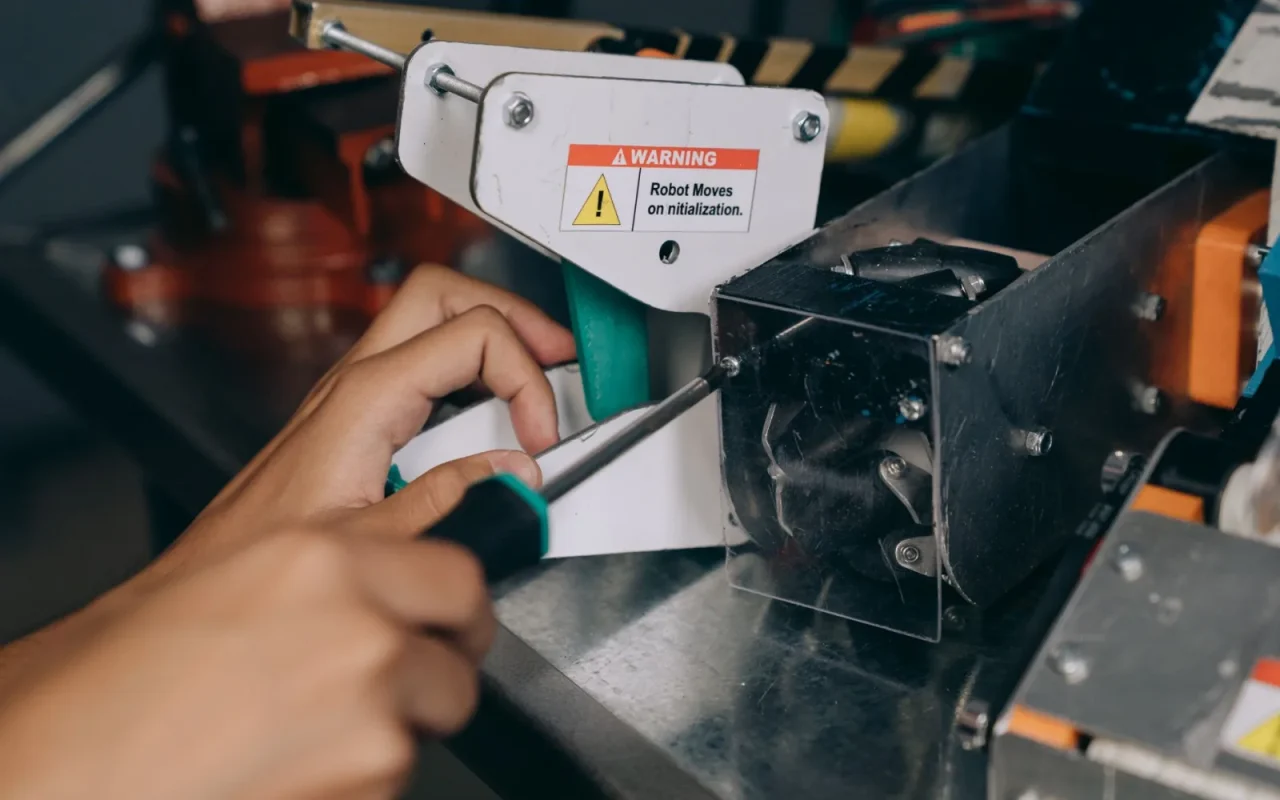
Think of maintenance in three buckets: weekly, monthly, and seasonal. Weekly is a two-minute glance, brushing loose clippings off the shell and checking the app for any alerts. Monthly means flipping the machine over to clear packed grass and inspecting the blades for chips. Seasonal covers the bigger jobs like a deep clean, a battery check, and winter storage. None of it needs a workshop. A soft brush, a plastic scraper, a screwdriver, and a pair of gloves cover almost every task. The whole point of these mowers is low effort, and the upkeep honors that promise if you stay consistent.
This connects neatly with How Often to Change Robot Mower Blades.
Blades: The One Part You Touch Most
Blades are the heart of the machine and the part that wears fastest. Most models use small razor-style blades or a spinning star disc, and they dull or chip after roughly 6-8 weeks of mowing season. Dull blades tear grass instead of slicing it, which browns the tips and makes the lawn look ragged. A replacement set costs only a few dollars up to about $15-$30, so there is no reason to run them ragged. Always power the mower off fully and wear gloves before you reach underneath. Keep a spare set on the shelf so a dull edge never stalls your routine.
Keeping It Clean Without Overdoing It
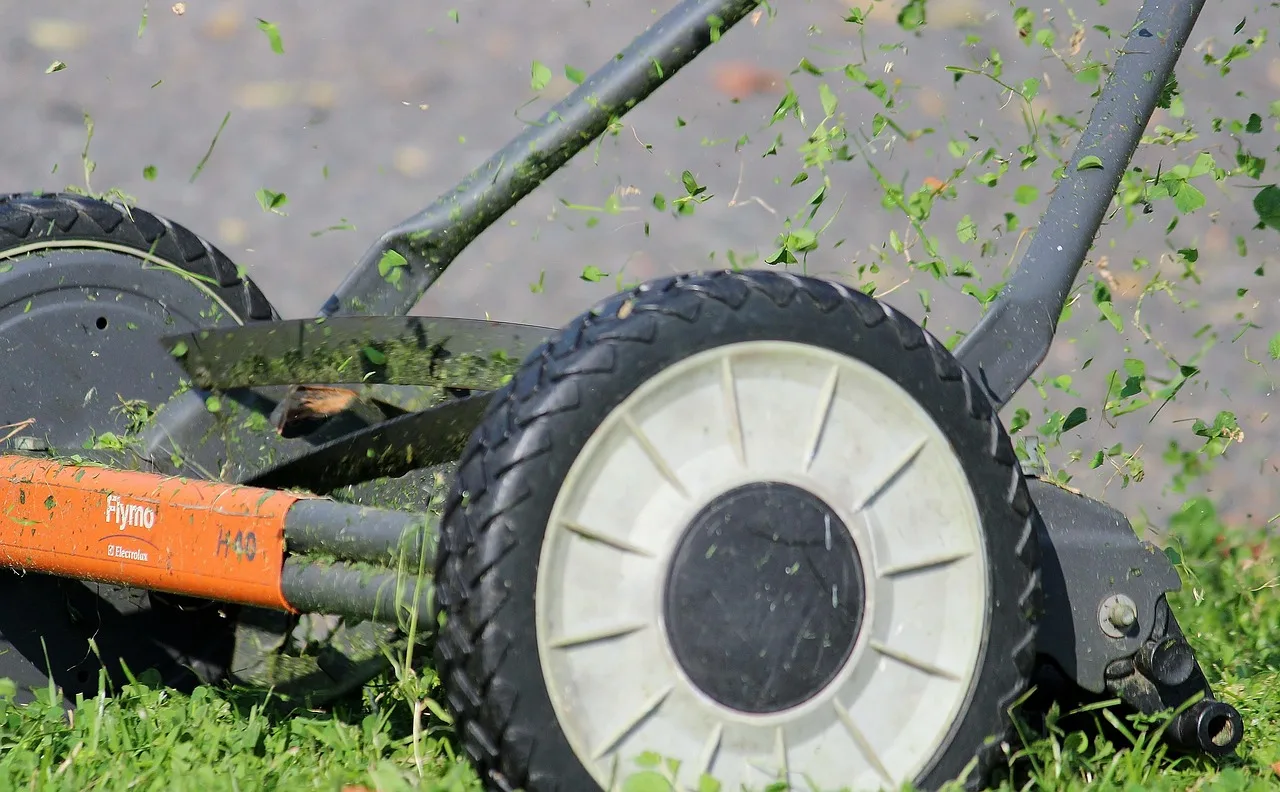
Grass, especially damp grass, cakes onto the deck and around the blade disc. Left there it hardens, throws off the balance, and can strain the motor. A quick weekly brush of the top shell plus a monthly scrape of the underside handles most of it. Resist the urge to blast the machine with a hose or pressure washer, since forced water pushes past seals and reaches electronics. A damp cloth, a soft brush, and a plastic scraper are safer and just as effective. Clean tools mean a mower that cuts evenly and does not surprise you with a fault mid-season.
Battery Care for the Long Haul
The lithium-ion pack is the priciest single component, so treating it kindly pays off. In normal use the mower manages its own charging, running for 60-120 minutes and returning to base to top up for 45-90. The habit that matters most is winter: never store the machine on a fully drained battery in the cold. Charge it to roughly half, then keep it somewhere dry and above freezing. Expect a healthy pack to last three to five years before capacity fades noticeably. When run times shrink and the mower can no longer finish the lawn, a fresh battery is usually cheaper than a new machine.
Your Robot Mower Maintenance Rhythm
- Brush loose clippings off the top shell each week
- Check the app for error alerts and low-battery warnings
- Flip the mower monthly and scrape packed grass off the underside
- Inspect blades for chips, dullness, and bent edges
- Replace blades roughly every 6-8 weeks in mowing season
- Wipe the lift, tilt, and rain sensors clean of mud
- Clear grass from the wheel treads to keep grip on slopes
- Wipe the charging base contacts so docking stays reliable
- Check tire wear and the underside for cracks or damage
- Log every blade change and deep clean with the date
- Store the mower dry and above freezing over winter
- Follow your model's manual for exact service intervals
If you want to go deeper, our guide to How to Keep Robot Mower Charging Contacts Clean covers the details.
Sensors, Wheels, and the Charging Base
The parts that keep a mower on track are easy to forget. Lift and tilt sensors, bump bumpers, and rain sensors all work better when they are free of mud and clippings. Wheels pick up grass in the treads and lose grip, which shows up as spinning on slopes. The charging base has metal contacts that oxidize over time and can interrupt charging if they get grimy. A gentle wipe of each keeps the mower docking cleanly and reading its surroundings. None of these takes more than a minute, and skipping them is behind a surprising share of nuisance faults.

It is worth skimming general lawn mower mechanics for extra context.
Building a Simple Maintenance Rhythm
The trick is turning upkeep into a routine you barely notice. I tie the weekly glance to trash day and the monthly flip-and-clean to paying a bill, so I never forget. Log the date whenever you swap blades or clean deeply, either in a notebook or the mower's app. That record tells you when parts are due and flags anything drifting off pattern, like a battery fading early. Follow the official manual for your specific model, since intervals vary. A light, regular touch beats a heavy rescue job, and it is the surest path to a mower that simply keeps working.
For a related angle, see How to Update Robot Mower Firmware.
Where this leaves you
Caring for a robot mower is less a chore and more a rhythm you fold into the week. Keep the blades fresh, brush off the grass, respect the battery, and give the sensors and contacts an occasional wipe. That short list is genuinely all that stands between you and years of quiet, reliable mowing. The owners who get a decade out of these machines are not fussing over them daily; they are just consistent with the small stuff. Start with the weekly two-minute glance, add the monthly flip-and-clean, and let the routine carry the rest. Your future self, and your lawn, will thank you.
You will find more on this in How to Winterize and Store a Robot Mower.