Here is a small idea that quietly changed my lawn: the clippings were never waste. Every time my old mower filled a bag, I was hauling away free fertilizer and dumping it at the curb. A robot mower flips that habit on its head. It does not collect anything. Instead, it chops the grass so finely that the clippings disappear into the turf and feed it. The word for this is mulching, and understanding how it works is the difference between a green, self-nourishing lawn and one you constantly prop up with store-bought feed.
What Mulching Actually Means
Mulching, in the mowing sense, means cutting grass into pieces small enough that they fall back among the standing blades and break down in place instead of being collected. A robot mower is a natural mulcher because it removes only a few millimeters of leaf at a time. Those tiny fragments have huge surface area relative to their size, so soil microbes decompose them fast. Within a day or two they are gone from sight, having released their moisture and nutrients back into the ground. No bag, no pile, no trip to the yard waste bin.
New to this? Start with our overview, How Robot Mowers Change Lawn Care for the Better, then come back here.
The Science of Grasscycling
Grasscycling is the formal name for leaving clippings on the lawn, and it is well supported by turfgrass research. Grass clippings are roughly 80 percent water and rich in nitrogen, the same nutrient in most lawn fertilizers. University extension guidance has estimated that returned clippings can supply a meaningful share, often cited around a quarter to a third, of a lawn's annual nitrogen needs. When a robot mulches daily, that nitrogen trickles back steadily rather than in one dump. The result is a self-feeding cycle that keeps the lawn green with far less bagged fertilizer.
Why Robot Clippings Do Not Cause Thatch
A common worry is that leaving clippings builds thatch, that spongy brown layer that can choke a lawn. It is a myth in this context. Thatch is mostly made of roots, stems, and stolons, not leaf clippings, and grass clippings are too soft and wet to add to it meaningfully. Because a robot cuts such tiny amounts so often, the fragments decompose long before they could pile up. Owners sometimes see thatch on lawns cut infrequently with heavy clumps left behind, which is the opposite of how a robot works.
How Mulching Saves You Money
The savings show up in two places. First, you stop buying yard waste bags and skip the disposal fees some towns charge. Second, and bigger, you buy less fertilizer. If returned clippings cover a third of your nitrogen, that is a third off your feeding bill every year. On top of that, the clippings hold moisture at the soil surface, so the lawn can need slightly less watering in dry stretches. None of these are huge line items alone, but together, over several seasons, mulching quietly pays for a chunk of the mower itself.
Robot Mower Mulching, Start to Finish
- The mower removes only a few millimeters of leaf per pass
- Tiny clippings fall between standing blades to the soil
- High surface area lets microbes break them down fast
- Clippings are about 80 percent water and rich in nitrogen
- Returned nitrogen covers a real share of yearly feeding
- Daily mulching trickles nutrients back steadily
- Fine soft clippings do not build thatch
- You skip bagging, hauling, and disposal fees
- Fertilizer bills drop, often by around a third
- Surface clippings help hold soil moisture
- Dry grass and sharp blades give the finest mulch
- Pause mulching during disease or heavy leaf fall
You will find more on this in Can You Get Lawn Stripes With a Robot Mower?.
Getting the Best Mulching Results
Mulching works best when the grass is dry and the blades are sharp. Wet clippings clump and can smother patches or clog the deck, which is one reason many robots pause in the rain. Keep the razor blades fresh, roughly every 6 to 8 weeks in season, since a clean cut mulches finer than a torn one. Let the robot run often enough that it never has to remove too much at once; a machine mowing daily produces the finest, fastest-decomposing clippings. Avoid letting the grass get long between cuts, since that defeats the whole light-and-frequent principle.
For broader background, turfgrass science research from Purdue University is a solid reference.
When Mulching Is Not Ideal
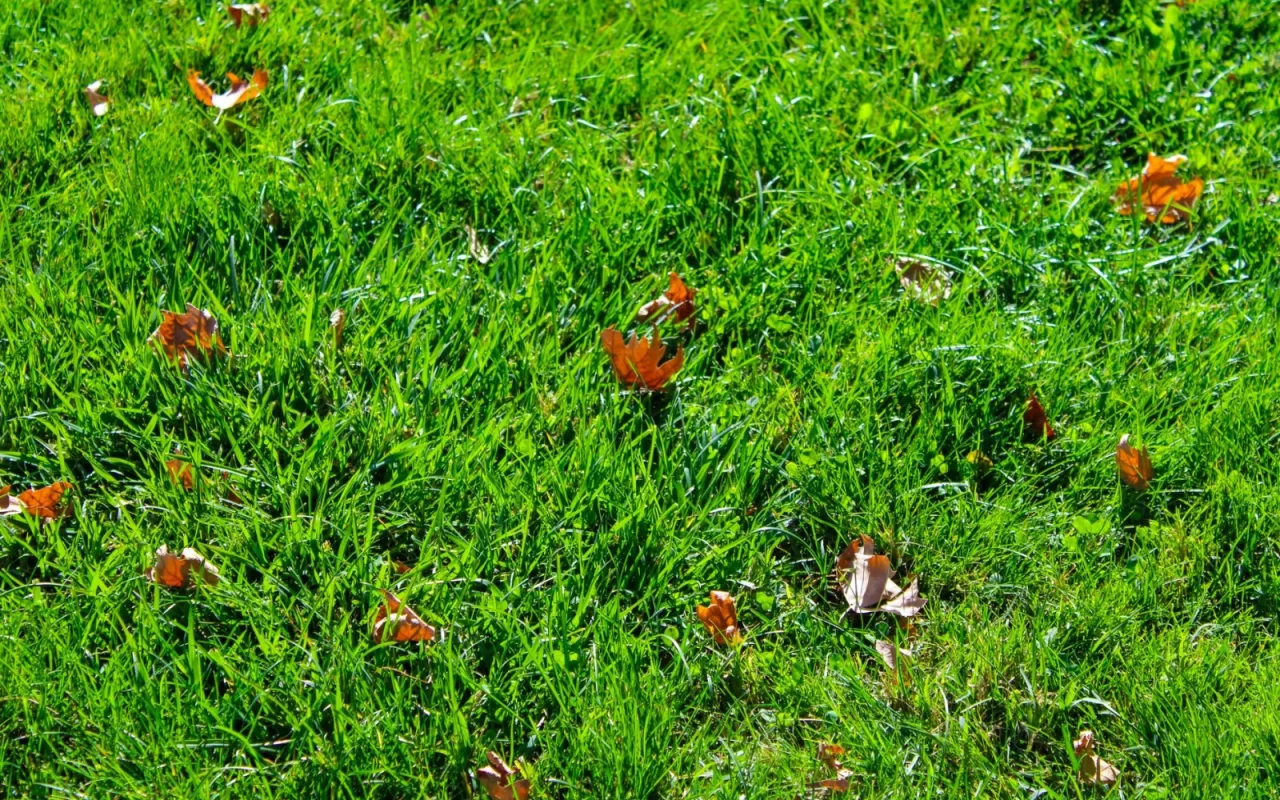
Mulching is not a rule for every situation. If leaves pile up heavily in autumn, a thick mat of clippings mixed with wet leaves can block light and harm the grass, so you may need to clear the worst of it. Lawns with active fungal disease can spread spores through clippings, so pausing mulching during an outbreak is sensible. And right after treating for certain weeds, some products advise collecting clippings for a cut or two. For everyday mowing in a healthy lawn, though, mulching is almost always the better choice.
Mulching Different Grass Types Effectively
Not every lawn mulches the same way, and matching your approach to your grass makes a real difference. Fine fescues and bentgrass have slender blades that break down quickly, so the clippings vanish within a day even during fast spring growth. Coarser species like tall fescue or a thick warm-season Bermuda produce chunkier clippings that need a slightly more frequent cut to stay invisible, which is exactly what a daily robot schedule delivers. Zoysia and St. Augustine, with their dense runners, benefit from a marginally higher cutting height so the mulched material settles down to the soil rather than perching on top. If you overseed with ryegrass in fall, expect thicker clippings for a few weeks until the new blades mature. The general rule holds across all of them: cut little and often, and the grass type sorts itself out.
Where this leaves you
Mulching turns a robot mower from a simple grass cutter into a quiet fertilizer machine. Each tiny clipping it drops carries nitrogen and moisture straight back to the soil, feeding the lawn a little every day and shrinking your fertilizer bill. The keys are sharp blades, dry grass, and frequent cuts, with a pause during heavy leaf fall or disease. Once you stop thinking of clippings as trash and start seeing them as free food for the grass, the whole logic of a robot mower clicks into place. Let the clippings fall, and let them work.
For a closer look, see Robot Mowers and Moss: What Actually Happens.