The first summer I ran a robot mower on my shady back lawn, I braced for a moss takeover. Half the internet told me daily cutting would carpet the place in green fuzz. What actually happened was more boring and more useful than the horror stories. Moss is not caused by your mower at all. It moves in when grass gets weak, and a robot mower can nudge that balance in either direction depending on how you set it up. So let me walk you through what really goes on down at soil level, and where owners help moss without meaning to.
Why Moss Shows Up in the First Place
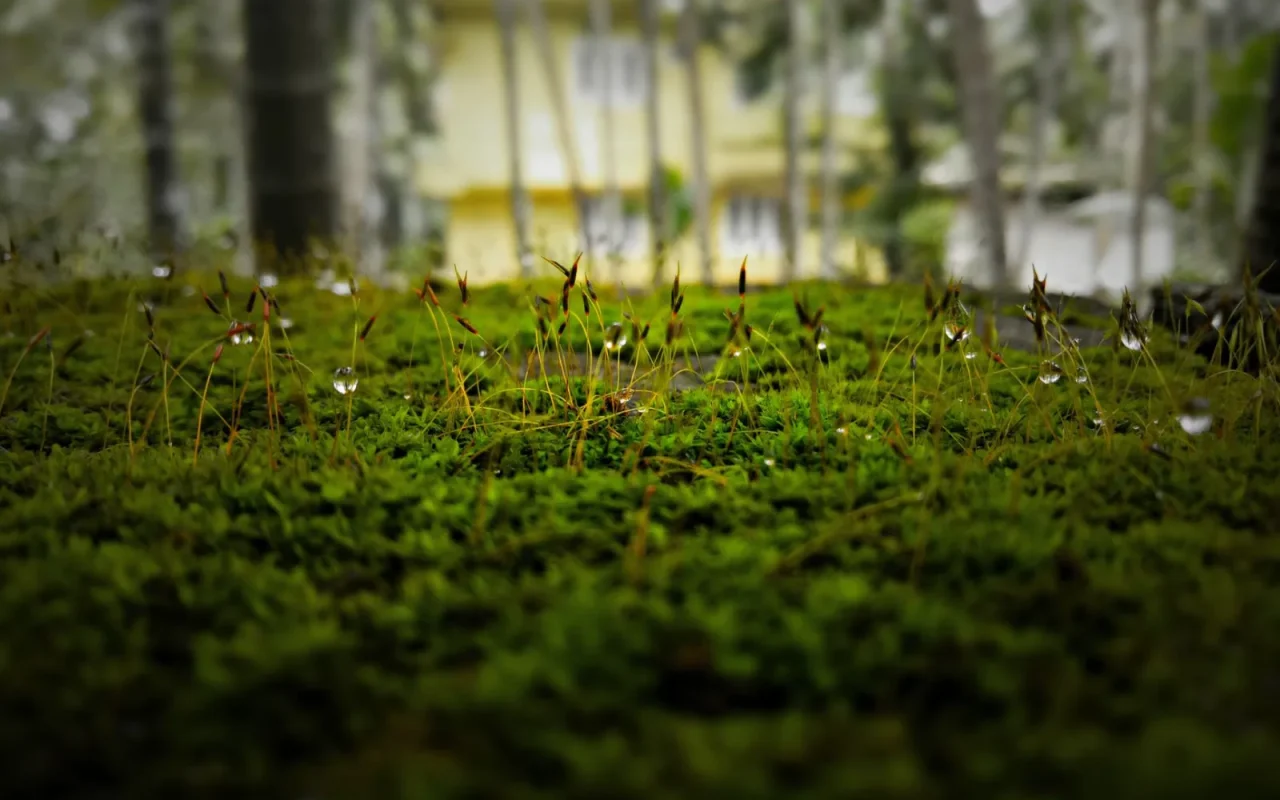
Moss is an opportunist. It does not out-compete healthy, thick turf; it fills the gaps where grass has already given up. The usual culprits are shade, poor drainage, compacted soil, low fertility, and a soil pH that grass dislikes. None of those has anything to do with a robot mower. If your lawn had thin, damp, mossy patches under a maple before, those patches will still be there after the robot arrives. Understanding this saves a lot of blame. The mower is a symptom manager at best, not the cause, and fixing moss always starts with the growing conditions underneath the blades.
New to this? Start with our overview, How Robot Mowers Change Lawn Care for the Better, then come back here.
Does Daily Cutting Encourage Moss
Here is the honest answer: it depends on cutting height. A robot mower trimming a tiny amount every day keeps grass at a steady length, which is generally good for density. Trouble starts when owners set the height too low. Scalped grass thins out, lets more light reach the soil, and hands moss an opening. On a shady lawn already fighting for sun, cutting short is the fastest way to tip the balance toward moss. Keep the deck high, roughly 2 inches or the top of the range, and daily mowing tends to build a thicker sward rather than a mossy one.
The Moisture Factor Robot Owners Miss
Moss loves damp. A robot mower does not water your lawn, but it can quietly keep the surface wetter than a weekly mow would. Tiny clippings dropped every day form a thin mulch layer that holds moisture near the crown. On a sunny, well-drained lawn that is a benefit. On a shady, poorly drained one it can nudge conditions toward moss. If a section stays soggy for hours after rain, that spot will favor moss no matter how you mow. Improving drainage and airflow matters far more there than any setting in the app.
Where Robot Mowing Actually Helps
On a healthy lawn with reasonable sun, frequent light mowing is a quiet win against moss. Consistent trimming encourages grass to tiller, meaning each plant sends out more shoots and the turf thickens. Denser turf shades the soil surface, and that shade is exactly what stops moss spores from establishing. The grasscycling effect helps too, since those fine clippings feed nitrogen back and keep the grass vigorous. So on the right lawn, the machine you feared would grow moss is doing the opposite, slowly crowding it out one daily pass at a time.
Moss-Fighting Moves That Pair Well With a Robot Mower
- Raise the cutting height toward 2 inches to avoid scalping shady grass
- Aerate compacted areas once a year to improve drainage
- Test soil pH and lime acidic lawns to favor grass over moss
- Scarify or rake out established moss in spring or autumn
- Overseed thin patches, then keep the mower off until rooted
- Prune overhanging branches to bring light to dark corners
- Improve drainage in spots that stay soggy after rain
- Feed the lawn on a schedule so turf stays dense and competitive
- Clean the mower deck so wet clippings do not clump on damp grass
- Watch north-facing strips closely, as they turn mossy first
It helps to read this alongside Robot Mown vs Traditionally Mown Lawns.
Treating Existing Moss Alongside a Robot
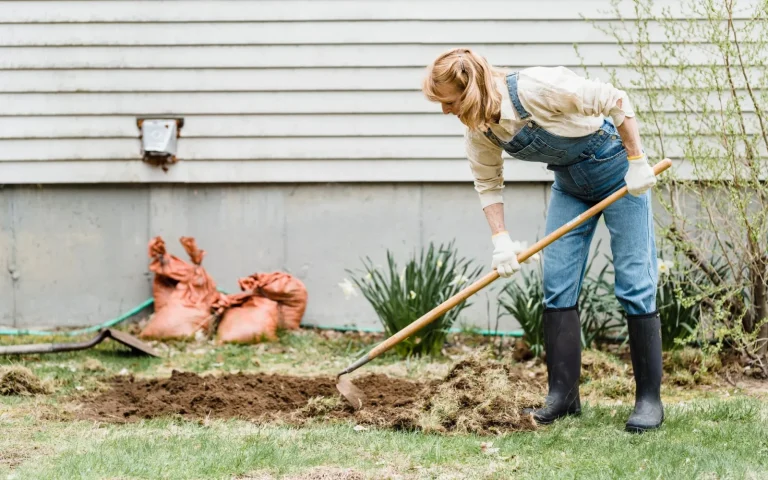
If moss is already established, the mower alone will not clear it. You treat moss the traditional way and let the robot maintain the recovery. Scarify or rake out the dead moss in spring or autumn, apply a lawn treatment such as iron sulphate if appropriate for your grass, then overseed the bare areas. Keep the robot mower off freshly seeded ground until the new grass is rooted and tall enough to cut. Once the lawn is thick again, daily robotic mowing at a sensible height helps hold that new density and slows moss from creeping back.
If you like to read around a topic, see turfgrass science research from Purdue University.
Long-Term Habits for a Moss-Resistant Lawn
The mower is one small part of a larger plan. Aerate compacted soil once a year to improve drainage and root depth. Test your soil pH and lime if it is too acidic for your grass type. Thin overhanging branches to let more light reach shady corners. Feed the lawn on a sensible schedule so grass stays competitive. Raise the robot's cutting height during hot or stressed spells. Do these things and the robot becomes a helpful maintenance tool on an already resilient lawn, rather than a scapegoat for problems that live in the soil.
One last thing
Moss is a soil and shade story, not a mower story. A robot mower will not create moss, and on a healthy lawn its steady, frequent trimming actually helps grass stay thick enough to keep moss out. The mistakes come from cutting too low or ignoring a wet, shady corner that was always going to struggle. Set the deck high, fix drainage where it is poor, and treat existing moss the old-fashioned way before letting the robot maintain the recovery. Do that, and the machine becomes an ally in keeping green grass, not green fuzz.
Our companion piece, The Best Cutting Height for a Robot Mower, picks up where this leaves off.