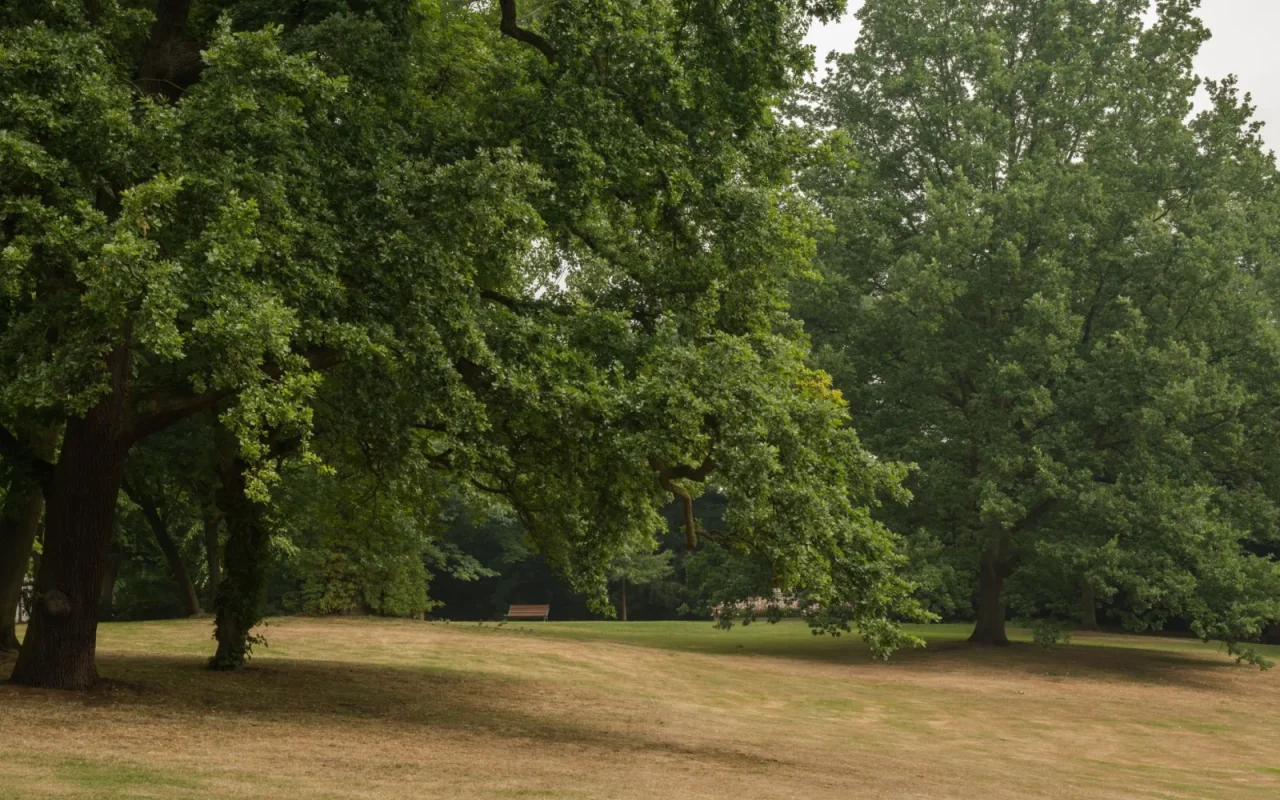
Half of my back garden sits under two big oaks, and for years that shady strip was the part I dreaded mowing: thin, mossy, uneven, and always damp. When I switched to a robot mower, I assumed the shade would be the least of my worries. It turned out to be the most interesting challenge of the whole setup. Shade changes how the grass grows, how the mower navigates, and how you should schedule it. If your lawn has a gloomy corner or a whole shady flank, this is what I learned about keeping it tidy anyway.
Why Shade Makes Grass Thin in the First Place
Grass is a sun-hungry plant, and most common turf types simply thin out under heavy shade. Less light means fewer leaves, weaker roots, and slower recovery from any wear. So before blaming the mower, understand that a patchy shady lawn is often a growing problem, not a cutting one. The mower can keep whatever grass exists neat, but it cannot manufacture density that the light will not support. Setting realistic expectations here saves a lot of frustration. A dim lawn will always look thinner than the sunny half, no matter how you cut it.
New to this? Start with our overview, How Robot Mowers Change Lawn Care for the Better, then come back here.
How Shade Affects Navigation and GPS
Navigation is where shade quietly bites. Wire-free models that rely on GPS, especially RTK GPS, need a fairly open view of the sky to hold an accurate position. A dense tree canopy can weaken or drop that signal, causing the mower to wander, pause, or miss the shaded zone entirely. Boundary-wire models sidestep this problem completely, since a pegged perimeter wire does not care about tree cover. If your lawn is heavily canopied and you want a wire-free mower, check the signal in that spot before you commit, or plan on a wired model instead.
Setting Cutting Height for Shady Grass
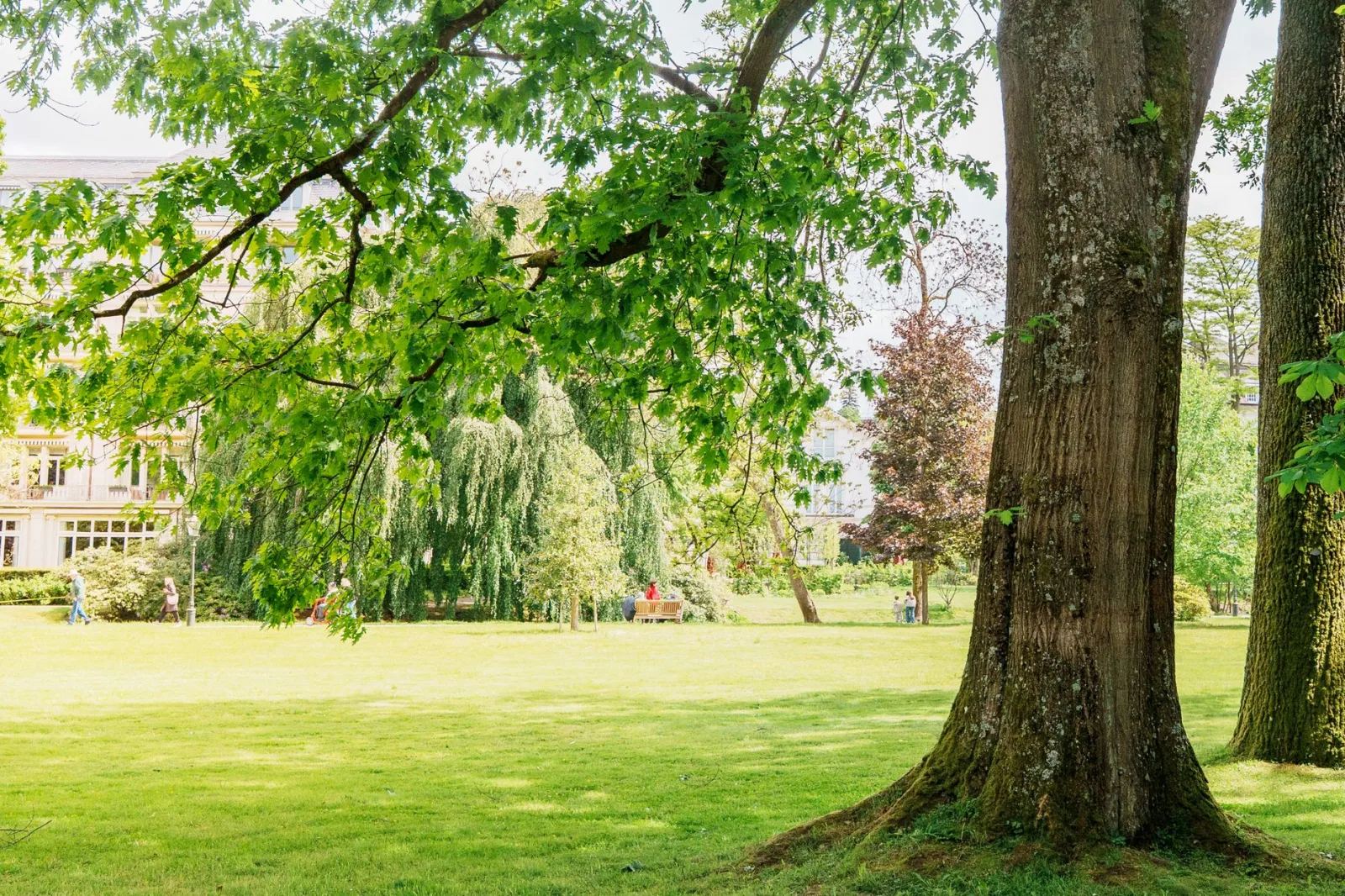
Shaded grass does better when you let it grow a little taller, because a longer blade captures more of the scarce light. On my oak-shaded strip I set the mower higher there in mindset, aiming for the top of the usual range, around 2.4 inches, rather than a tight summer cut. Cutting shade grass short stresses it and invites moss and bare spots. If your mower supports different heights per zone, use it. If not, favor the taller setting overall and accept that the sunny areas can handle a bit more length than you might prefer.
Managing Moisture, Moss, and Slick Spots
Shade holds moisture, and damp shade breeds moss and slippery patches. A robot mower on perpetually wet, mossy ground can lose traction and spin its wheels, leaving ruts. Improving drainage and airflow helps more than anything the mower can do: prune low branches to let light and wind in, and rake out heavy moss so grass has room. Run the mower later in the day once the shade has dried what little it can. Avoid early morning runs in shaded zones, since that is when the ground is at its slickest.
Tips for Robot Mowing a Shady or Patchy Lawn
- Set your expectations: shade thins grass no matter how you mow
- Test GPS signal under the canopy before choosing a wire-free model
- Prefer a boundary-wire mower for heavily tree-covered yards
- Raise the cutting height so shaded grass captures more light
- Prune low branches to let in more light and airflow
- Rake out heavy moss to give the grass breathing room
- Run the mower later in the day when shaded ground is driest
- Skip early morning runs in shady zones where footing is slick
- Overseed bare spots with a shade-tolerant fescue blend
- Fence new seed off with a no-go zone until it roots
- Improve drainage in low, perpetually damp shaded areas
If you want to go deeper, our guide to Should a Robot Mower Cut Wet Grass? covers the details.
Handling the Patchy and Bare Areas
For the truly bare spots, the mower is not the tool. Overseed with a shade-tolerant grass blend, keep the seedlings off the mowing schedule with a temporary no-go zone until they root, and water gently. Fine fescues tend to cope with shade far better than showy sun-loving blends, so choose seed for the conditions you actually have. Once the new grass is established, fold the area back into the normal route. The mower's job is to maintain that recovering patch, not to create it, so give the grass a head start first.

For broader background, turfgrass science research from Purdue University is a solid reference.
Realistic Expectations for a Dim Lawn
A shady lawn mowed by a robot will look neat, even, and cared for, but it will never match the thick carpet of the sunny side, and that is fine. The honest win is that daily light mowing and mulched clippings keep the thin grass as healthy as the light allows, without the scalping that a weekend mower often inflicts on delicate shade turf. Pair the mower with the right seed, sensible pruning, and a taller cut, and even a gloomy corner ends up looking deliberately tended rather than neglected.
A final word
A shady, patchy lawn will always ask a little more of you and your mower, but it is far from a lost cause. Match the navigation type to your tree cover, cut a touch taller, and let the mulched clippings feed what grass the light allows. For the truly bare ground, reach for shade-tolerant seed and a temporary no-go zone rather than expecting the machine to work miracles. Do that and the gloomy end of the garden stops looking neglected and starts looking intentional. My oak-shaded strip will never rival the sunny lawn, but it finally looks like someone cares for it, because now someone quietly does.
Our companion piece, The Best Cutting Height for a Robot Mower, picks up where this leaves off.