Short answer: yes, in most cases a robot mower does help your grass, and the reasons are grounded in turf science rather than hype. But it is not magic, and it will not rescue a lawn that is starved, compacted, or planted in the wrong spot. The benefit comes from how these machines cut, not from any special power. So before you credit or blame the robot for your lawn's condition, it helps to understand exactly what it does well, what it cannot fix, and where your own care still carries the weight.
The Short Answer, and Why
Yes, a robot mower usually improves grass health, and the mechanism is simple. It cuts a tiny amount very frequently, so the grass never loses much leaf at once. Turf experts stress the one-third rule, never removing more than a third of the blade in a single cut, and a robot honors it by default. Less leaf removed means less stress, which means the plant keeps feeding its roots and filling in. Add in the fine clippings it returns to the soil and you get a steady, cumulative boost that a weekly mow simply cannot match.
New to this? Start with our overview, How Robot Mowers Change Lawn Care for the Better, then come back here.
Frequent Light Cuts Build Density
Think about how grass responds to trimming. When you clip the tips lightly and often, many species react by tillering, sending up new shoots from the base. That thickens the turf over time. A traditional weekly mow that removes an inch or more triggers a recovery scramble instead, where the plant burns energy regrowing leaf rather than spreading. Owners who switch to a robot often notice the lawn getting visibly denser across the first season, with fewer thin spots. That density is not a coincidence; it is the plant responding to a gentler cutting rhythm.
Clippings Feed the Soil for Free
Because a robot removes so little each pass, the clippings are minuscule and fall straight down to the soil. They decompose within a day or two and release nitrogen, a process called grasscycling. University turfgrass extension guidance has long noted that returned clippings can supply a meaningful portion of a lawn's annual nitrogen. In practice that means you fertilize less and still keep a green lawn. This is one of the clearest, most measurable ways a robot helps the grass, and it costs you nothing beyond letting the clippings stay where they land.
What a Robot Cannot Fix
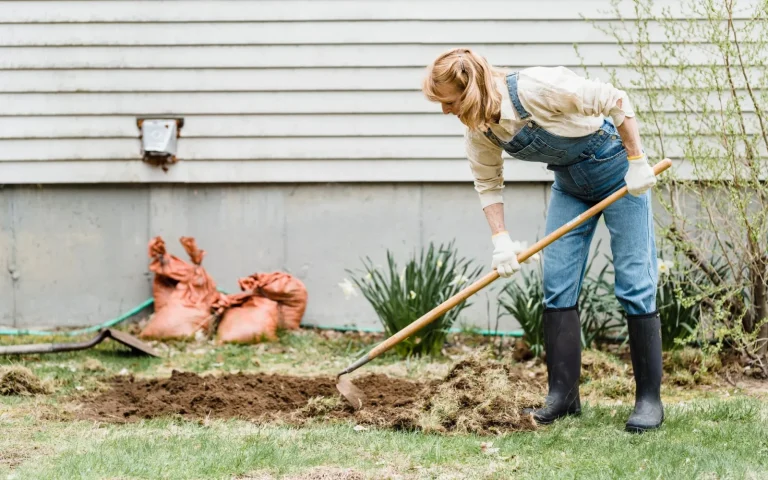
Here is the honest limit. A robot mower will not repair compacted soil, correct poor drainage, undo drought, or beat back a serious weed invasion on its own. If your lawn is thin because it sits in deep shade or grows in sand with no water, better mowing helps only at the margins. The machine improves the cutting variable and nothing else. So do not expect it to substitute for aeration, overseeding, sensible watering, or fixing the soil underneath. It stacks nicely on top of good care, but it cannot replace it.
Ways a Robot Mower Helps, and Where It Stops
- Helps: cuts little and often, honoring the one-third rule
- Helps: reduces plant stress, so roots stay stronger
- Helps: encourages tillering, which thickens the turf
- Helps: returns fine clippings that feed nitrogen back
- Helps: cuts your fertilizer needs over the season
- Helps: a denser lawn crowds out some weeds naturally
- Stops short: cannot fix compacted or poor soil
- Stops short: will not solve deep shade problems
- Stops short: does not target or remove weeds directly
- Stops short: cannot cure moss caused by damp and shade
- Stops short: no substitute for watering and aeration
- Stops short: will not rescue drought-stressed grass
It helps to read this alongside The Best Cutting Height for a Robot Mower.
The Weeds and Moss Question
People often ask whether robots reduce weeds. Indirectly, they can. A thicker, healthier lawn shades the soil and crowds out weed seedlings, and keeping the grass at a proper height blocks the light many weed seeds need to sprout. That said, a robot does not target weeds and will happily mow over them. Moss is similar: the mower does not cause or cure it, since moss thrives on shade, damp, and acidic soil, which are conditions you address separately. The robot's contribution is a denser turf that gives weeds and moss less room to establish.
For broader background, turfgrass science research from Purdue University is a solid reference.
The Verdict for Your Lawn
Weighing it all, a robot mower genuinely helps grass through gentler, more frequent cutting and free clipping fertilizer, and most owners see a greener, thicker lawn within a season. The effect is real but bounded. It works best as one strong ingredient in a healthy routine that also includes right-sized watering, occasional feeding, aeration, and overseeding. If your lawn already has decent soil and sun, the robot may be the single biggest upgrade you make. If the fundamentals are broken, fix those first, then let the robot do its quiet, steady work on top.
How Daily Cutting Affects Root Depth
One benefit that rarely gets mentioned is what frequent cutting does below the surface. When a mower removes only a small fraction of the blade each day, the plant is never forced into the panic regrowth that follows a heavy weekly scalping. That steadier top growth lets the grass invest energy downward instead, encouraging deeper, denser roots over a season. Deeper roots reach moisture the surface has lost, which is why lawns on a daily robot schedule often shrug off a dry spell that would brown a weekly-mowed neighbor. The effect is gradual, showing up over months rather than days, and it depends on not cutting too short in the first place. Keep the height sensible and let the machine nibble, and you are quietly building a stronger root system that pays off every time the weather turns harsh.
What to do next
So do robot mowers help grass? Genuinely, yes, and the science backs it: gentle frequent cuts reduce stress and encourage density, while returned clippings feed the soil for free. The honest caveat is that the benefit is bounded. A robot improves the mowing variable and nothing more, so it shines on lawns where the soil, sun, and watering are already sound. Treat it as a strong partner rather than a cure-all. Fix the fundamentals underneath, then let the machine do its quiet daily work, and you will likely watch your lawn grow thicker and greener over the year.
It helps to read this alongside Getting a Robot Mower Through Thick Grass.