Most disappointing first seasons with a robot mower are not the machine's fault. They trace back to a few honest mistakes people make in the first fortnight, usually with the best intentions. I made several of them myself, then spent a summer un-learning each one while the lawn slowly recovered. The encouraging part is that these errors are all cheap to fix and easy to spot once you know the pattern. Here are the ones I see over and over, laid out as the mistake, why it hurts the grass, and the specific change that puts things right.
Mistake 1: Cutting Too Short Too Soon
The most common error is dropping the cutting height low right away, chasing that golf-green look. Robot mowers are built to trim little and often, and scalping the lawn stresses the grass, exposes soil, and invites weeds and moss. Set the height near the top of the range at first, around 2 inches, and lower it gradually over several weeks if you want it shorter. The lawn stays denser and greener. A stressed, scalped lawn in week one is the single fastest way to sour a new owner on the whole idea.
If you are just getting oriented, How Robot Mowers Change Lawn Care for the Better is the best place to begin.
Mistake 2: Waiting Until the Grass Is Long to Start
People often let the grass grow tall before the first robot run, thinking they will get more value from a big cut. It backfires. These machines are designed to skim a few millimeters daily, not to reclaim a hayfield, so tall grass clogs the deck, leaves clumps, and comes out uneven. Give the lawn one normal cut with a regular mower first, down to a sensible height, then let the robot maintain it from there. Starting on already-tidy grass sets the little-and-often rhythm the machine depends on to keep everything even.
Mistake 3: Running It Far Too Rarely
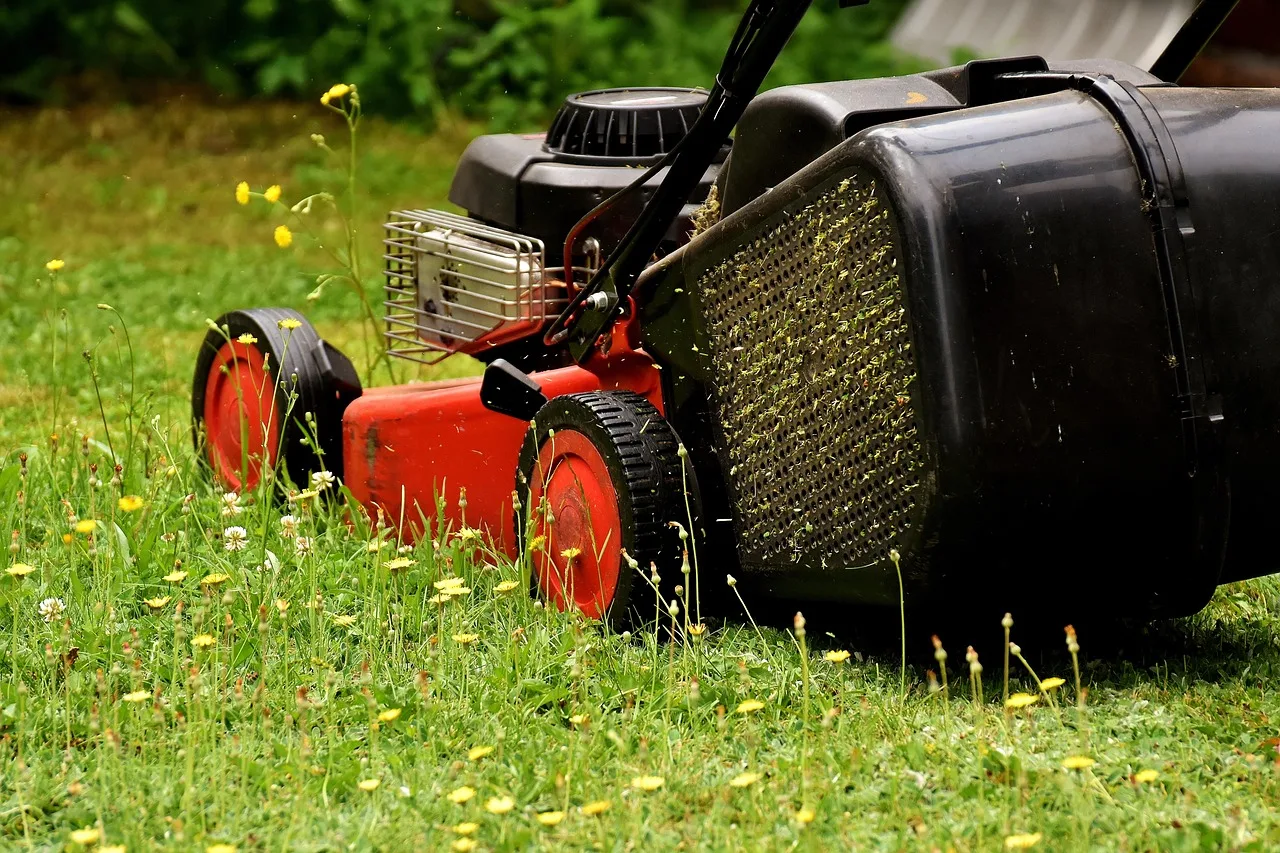
A robot mower earns its keep by running often, yet new owners frequently schedule it like a weekend push mower, a couple of times a week. That defeats the whole system. The grass outgrows the trim between runs, so you lose the constant-even height and the gentle grasscycling benefit. For most lawns, daily or near-daily short runs give the best finish and the healthiest turf. Let the machine do its thing on a frequent schedule rather than hoarding runs. It uses very little power and the daily habit is the entire point.
Mistake 4: Ignoring the Edges Entirely
Because the blade sits inboard for safety, a robot mower leaves a fringe of longer grass along walls, fences, and beds. Some owners never touch it and then complain the lawn looks unfinished. The fix takes ten minutes every couple of weeks with a string trimmer around the perimeter. Alternatively, install a hard mowing edge, like a paver strip flush with the turf, so the mower can run its wheel along it and cut closer. Edges are the one job the robot genuinely cannot finish for you, so plan for it rather than resenting it.
Quick Fixes for Each Common Mistake
- Start high near 2 inches, lower height gradually
- Give one normal cut before the first robot run
- Schedule daily or near-daily short runs
- Trim edges with a string trimmer every couple of weeks
- Install a flush paver edge so wheels can hug it
- Replace blades every 6 to 8 weeks in season
- Keep a spare blade pack in the shed
- Leave the rain sensor enabled
- Let the mower wait out wet spells
- Check for clumping and reduce load if it appears
- Watch the first two weeks closely and adjust
- Follow the manual's height and schedule guidance
You will find more on this in Getting a Robot Mower Through Thick Grass.
Mistake 5: Skipping Blade Changes
The little razor blades are cheap, so people forget them, and dull blades quietly wreck a lawn. A blunt blade tears grass rather than slicing it, leaving frayed, whitish tips that brown off and invite disease. Replace the blades roughly every 6 to 8 weeks in mowing season; a set runs only a few dollars up to about $30. Keep a spare pack in the shed so there is no excuse to run worn blades. This one habit does more for cut quality than any expensive upgrade you could bolt on.

If you like to read around a topic, see turfgrass science research from Purdue University.
Mistake 6: Fighting the Weather and Wet Grass
New owners often disable the rain sensor because they hate seeing the mower sit idle. Then it slips on wet slopes, clumps sodden clippings, and leaves tracks in soft turf. Mowing wet grass also tears more and spreads disease. Leave the rain sensor on and let the machine wait for a dry window; it catches up quickly because it mows daily. Trust the schedule and the sensor together. A robot that mows a little less on rainy weeks still keeps up far better than a stressed, torn-up lawn ever would, and the grass stays healthier for the wait.
Bringing it together
None of these mistakes are hard to avoid once you know the pattern, and every one has a fix that costs little more than a few minutes or a few dollars. Start high, cut often, keep the blades sharp, respect the weather, and handle the edges yourself. Do that and the lawn thickens up over a single season into the dense, even green that makes neighbors ask about the little machine. If something looks wrong, change one setting, wait a week, and watch. Patience with a robot mower is repaid generously, usually by grass that quietly gets better on its own.
Our companion piece, The Best Cutting Height for a Robot Mower, picks up where this leaves off.