Someone always asks me this at a barbecue, usually while admiring a neighbor's crisply striped lawn. Can you get those stripes with a robot mower? I hate to be the bearer of the plain truth, but for most robots the honest answer is no, not the way you are picturing. Stripes come from bending grass in alternating directions with a heavy roller, and most robots mow in a random, crisscrossing pattern that erases any lean. That said, there is more nuance here than a flat no, and a few real options if you love that look. Let me explain what is actually going on.
The Direct Answer: Usually No, and Here Is Why
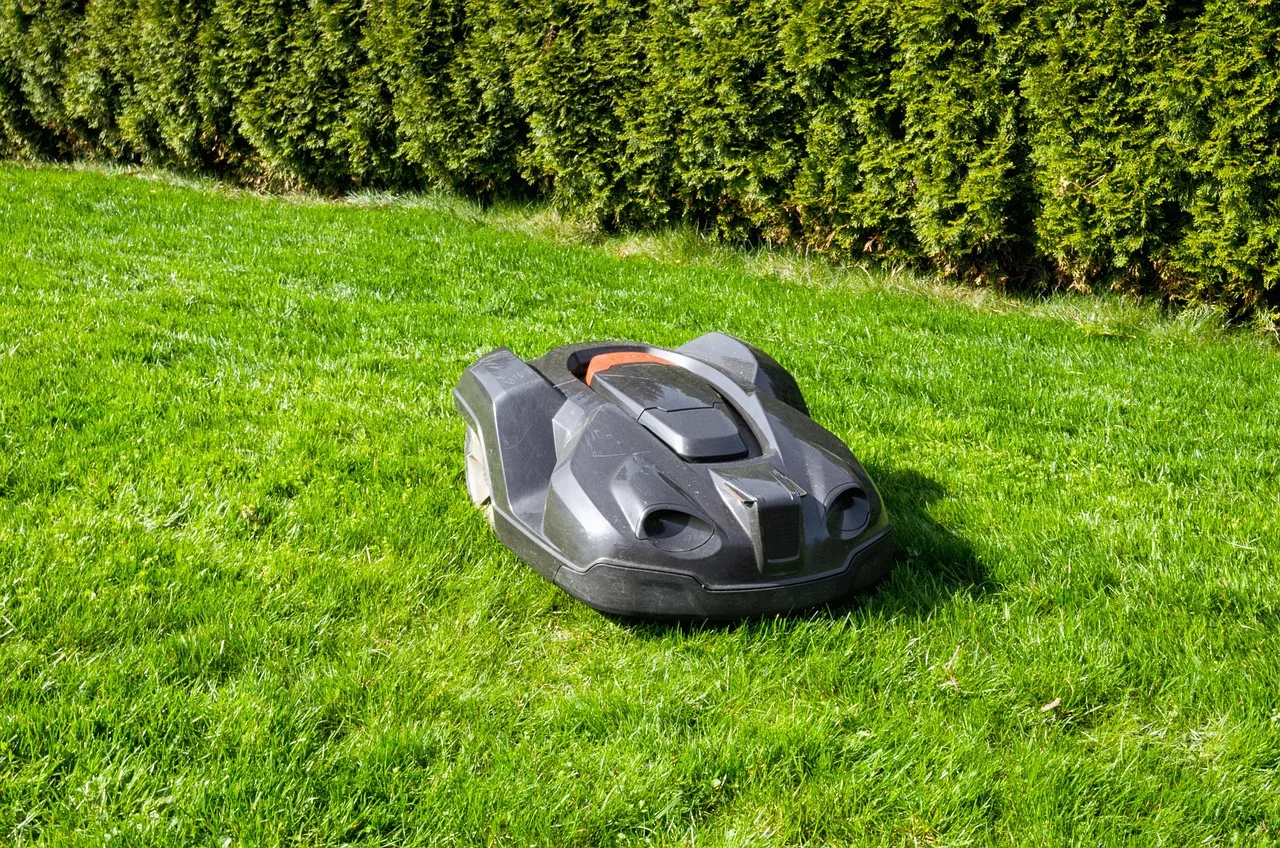
Lawn stripes are an optical trick. Grass bent away from you reflects light and looks pale; grass bent toward you looks dark. Sports groundskeepers create those bands with a mower roller that flattens the grass in straight, alternating rows. Most robot mowers do the opposite of what stripes need. They roam in an irregular, random pattern to cover the lawn evenly over many passes, and they have no heavy rear roller. The result is grass standing every which way, so light reflects uniformly and no bands form. The random method is great for even coverage, but it is the enemy of a clean stripe.
New to this? Start with our overview, How Robot Mowers Change Lawn Care for the Better, then come back here.
Why Random Patterns Beat Stripes for Coverage
It helps to understand why robots wander instead of driving neat rows. Random mowing spreads wear evenly, avoids ruts from repeated wheel tracks, and reaches odd corners a rigid grid would miss. Because a robot cuts a little every day, over a week those overlapping random passes cover the whole lawn thoroughly. Trying to force straight rows would create tramlines where the wheels always run and would struggle with irregular lawn shapes. So the pattern that frustrates stripe fans is exactly what gives you a consistent, carpet-like cut with no visible lines at all, which many owners actually prefer once they see it.

The Carpet Look You Get Instead
Here is the trade you are really making. Instead of stripes, a robot delivers a uniform, plush, evenly short surface that many people describe as looking like a putting green or a dense carpet. Because the grass is trimmed daily and never shocked by a big cut, it grows thicker and greener over time through consistent light mowing and grasscycling. Plenty of owners come to prefer this smooth, unbroken look to stripes, since it stays tidy every single day rather than only right after a weekend mow. It is a different aesthetic, not a lesser one, and it needs zero extra effort.
Systematic-Pattern Models Are Changing the Answer
The picture is shifting with newer wire-free mowers. Some GPS and RTK models, which map the lawn precisely, can now mow in systematic straight lines rather than random paths. That opens the door to faint striping, because the wheels and cut follow a consistent direction. The effect is usually subtle compared to a striped ride-on with a roller, since robots are light and lack that flattening weight. Still, if visible pattern matters to you, look specifically for a model that advertises a systematic or line-by-line mowing mode rather than assuming any robot can do it.
Your Options for Stripes With a Robot Mower
- Accept the even carpet look most robots produce
- Choose a wire-free model with a systematic mowing mode
- Add a push-behind lawn striper before events
- Fit a lawn roller attachment to bend grass into bands
- Roll stripes in, then let the robot maintain the height
- Mow the edges manually with a striping mower
- Grow grass types that hold a lean, like cool-season fescues
- Keep the cut a touch taller so blades bend more visibly
- Reserve striping for parties rather than every day
- Compare the striped look against the uniform look first
If you want to go deeper, our guide to Robot Mown vs Traditionally Mown Lawns covers the details.
How to Add Stripes Yourself Without Giving Up the Robot
You do not have to choose. Let the robot handle daily cutting for health and tidiness, then add stripes on top for special occasions. A push-behind lawn striper or a roller attachment bends the grass into bands without cutting it, so you can roll stripes in before a party and let the robot maintain the length between events. The stripes fade as the robot's random passes stand the grass back up, but for a weekend they look sharp. This hybrid approach gives you the effortless daily cut and the striped look when you want to show off.
It is worth skimming turfgrass science research from Purdue University for extra context.
Whether Stripes Are Worth Chasing at All
Before you spend money on a striper, ask what you actually want. Stripes are pure appearance; they do nothing for lawn health. A robot-mown lawn is often healthier and greener than a striped one because of the frequent light cutting. If your goal is a lush, uniformly perfect surface with no weekend labor, the standard random-pattern robot already delivers it. If you specifically crave the ballpark banding, plan for a systematic-mode model or a manual striper. Just know you are buying a look, not a better lawn, and decide accordingly.
What to do next
Can you get lawn stripes with a robot mower? On its own, a typical random-pattern robot will not stripe, because it lacks both the straight rows and the roller that create the effect. What it gives you instead is a uniform, healthy carpet that looks tidy every day with no effort. If stripes are non-negotiable, choose a systematic-mode wire-free model or roll them in yourself before events and let the robot maintain the length. Decide which look you value, then set up for it. Just remember stripes are for the eye, while daily robot mowing is genuinely good for the grass.
Our companion piece, The Best Cutting Height for a Robot Mower, picks up where this leaves off.