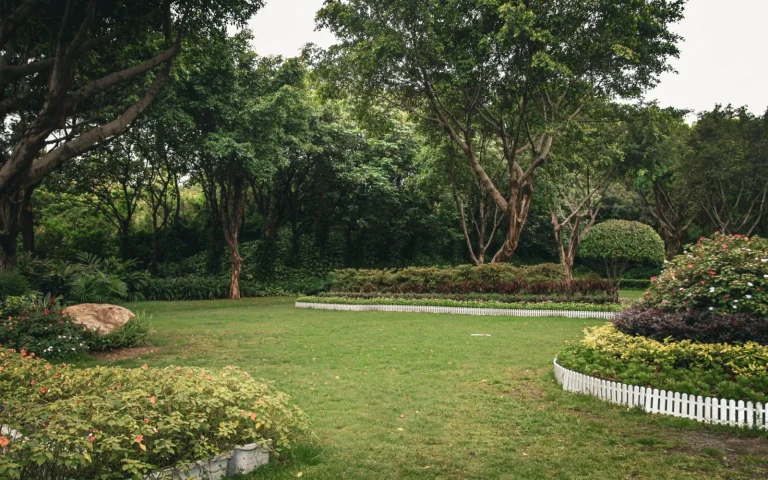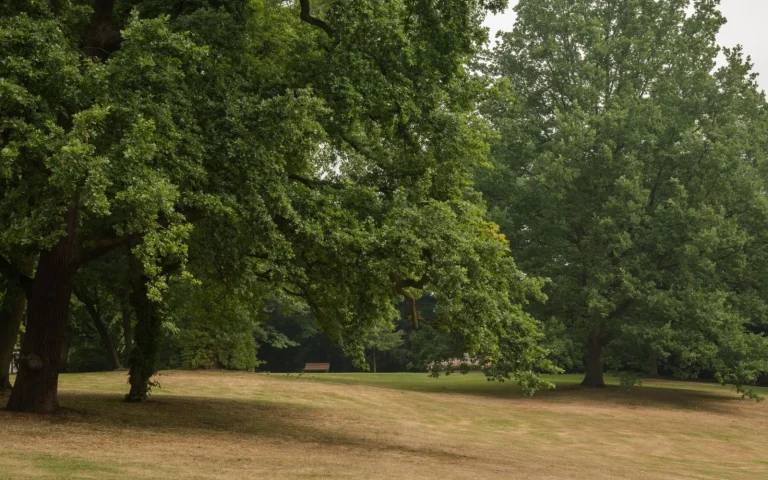
When my sister handed me the keys to house-sit for a year, she also handed me a brand new robot mower and a tired quarter-acre lawn full of thin patches and clover. I decided to treat it as an experiment: same lawn, same watering, but a robot doing the mowing every day instead of a gas mower every other weekend. I kept rough notes, took photos each month, and resisted the urge to fertilize heavily. What follows is that honest twelve month record, the good and the underwhelming, so you know what a first year really looks like.
The Starting Point: Spring Baseline
The lawn began the year in rough shape. Cool season grass, roughly 10,000 square feet, with bare patches near the walkway and a spongy layer of old thatch. Previous owners had scalped it low and let it dry out each August. I measured a couple of thin spots, snapped photos, and set the mower's cutting height around 2 inches to start. My honest expectation was modest: I hoped the daily cut would keep it tidy, not that it would meaningfully change the grass. The first few weeks just looked like a normal, slightly patchy spring lawn getting its regular trim.
For the bigger picture, our main guide How Robot Mowers Change Lawn Care for the Better sets the scene.
Months One to Three: Little Changes Add Up
The mower ran most days, cutting only a few millimeters each time and dropping fine clippings back into the turf. By week six I noticed the grass looked denser near the middle of the lawn, where coverage was already decent. The tiny clippings, a process called grasscycling, seemed to feed those areas. Color deepened slightly without any extra fertilizer. The bare patches, though, stayed bare; a mower cannot grow grass where there are no roots. Early lesson: frequent light mowing rewards existing healthy turf but does nothing to seed the gaps on its own.
Midsummer Stress Test
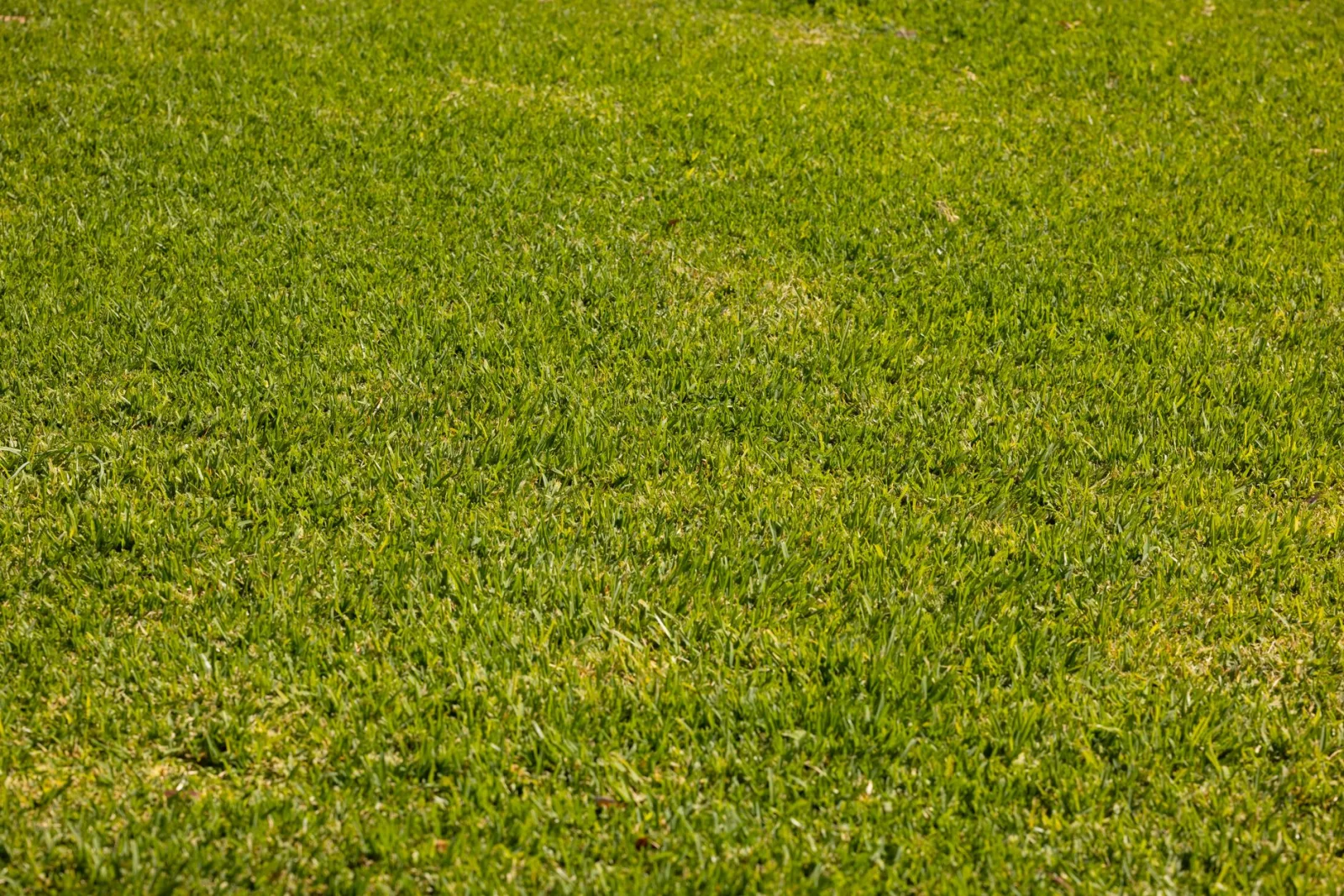
July and August are where lawns usually suffer, and this is where the daily cut earned its keep. Because the mower never removed more than a sliver, the grass held onto more length and shaded its own roots, which helped it ride out a dry three week stretch better than I expected. Neighbors running weekly gas mowers had browner lawns by mid August. I raised the height to about 2.4 inches for summer, a small tweak that made a visible difference. The clover thinned as the grass thickened and outcompeted it in the denser zones.
The Patches That Needed More Than a Mower
By late summer the contrast was obvious. Thick areas looked genuinely better than they had in spring, but the bare strip by the walkway had not filled in at all. So I did what the mower could not: I raked the spot, dropped seed, kept it off the mowing schedule with a temporary no-go zone, and watered it. Within a month it had rooted. The takeaway from year one is that a robot mower maintains and improves what is already growing, but real repairs still need seed, soil contact, and your hands.
Year One Changes I Actually Tracked
- Turf density increased most in areas that already had decent coverage
- Grass color deepened within about six weeks without extra fertilizer
- The thatch layer felt thinner by fall thanks to steady mulching
- Summer drought stress was milder than on neighboring weekly-cut lawns
- Clover thinned as the grass grew denser and outcompeted it
- Bare patches near the walkway did not fill in without reseeding
- One reseeded strip rooted well once fenced off with a no-go zone
- Cutting height went from 2 inches in spring to 2.4 inches for summer
- Mowing frequency dropped in late fall as growth slowed
- Overall the lawn looked more uniform at month twelve than at month one
This connects neatly with Robot Mowers and Moss: What Actually Happens.
Fall Recovery and Root Building
Autumn was the quiet turnaround. Cooler weather plus the continued daily mulching seemed to push the grass into a strong recovery. The reseeded patch knitted in, the overall color evened out, and the thatch layer felt noticeably thinner underfoot, likely because steady mulching kept clippings small and quick to break down rather than piling up. I trimmed the schedule as growth slowed. By the last warm weeks the lawn looked more uniform and dense than the day I started, without any dramatic intervention beyond that one reseed.
It is worth skimming turfgrass science research from Purdue University for extra context.
The Twelve Month Verdict
One year in, the lawn was clearly healthier, denser, greener, and more even, but not because of magic. The robot's contribution was consistency: never scalping, never bagging away nutrients, always feeding fine clippings back to the soil. That steady rhythm did more for turf density than my old weekend mowing ever had. What it did not do was fix bare ground, kill weeds by itself, or replace watering and the occasional reseed. Judged fairly, year one improved a mediocre lawn into a good one, and set it up to keep getting better.
What I Would Do Differently Next Year
Looking back over the twelve months, a few small changes would have sped things up. I waited too long to raise the cutting height in the July heat, and the two weeks of stress showed as browning I could have avoided. Next season I would nudge the deck up to around 2.4 inches by late June without hesitating. I also let the mower run daily from day one, when easing in over the first fortnight would have been gentler on soil that was already thin. A soil test in March, which costs about fifteen dollars through a local extension office, would have told me the pH was slightly low long before the clover flagged it. None of these are dramatic. They are the quiet adjustments that turn a decent first year into a genuinely strong second one.
Bringing it together
A year with a robot mower will not hand you a golf-course lawn on its own, and anyone promising that is selling something. What it gave this tired quarter-acre was consistency: no scalping, no bagged nutrients, just a little cut and a little feeding every day. That rhythm built density, deepened color, and helped the grass shrug off a hot summer. The gaps still needed seed and my hands. If you go in expecting a patient partner rather than a miracle, year one is genuinely encouraging, and the lawn tends to keep improving from there. Take a photo the day you start.
We break down the next step in The Best Cutting Height for a Robot Mower.