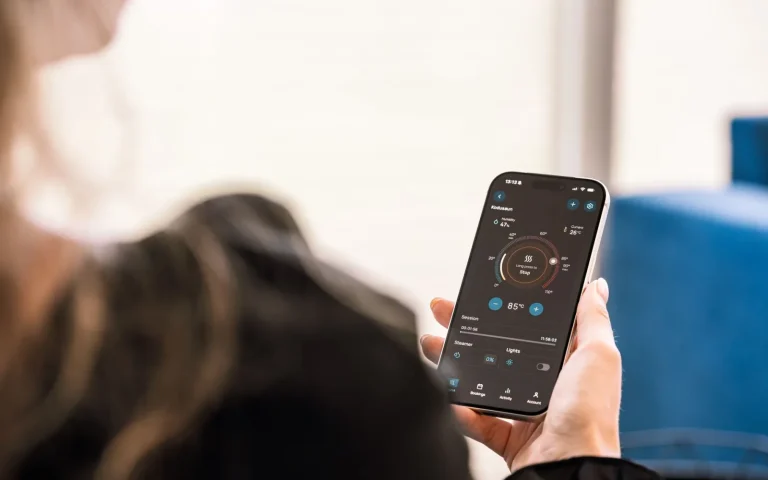
I bought my first robot mower back when laying a boundary wire was just the price of entry, and honestly it felt like magic anyway. A few years later, watching a wire-free model draw its own map from a phone, the pace of change hit me. These machines are quietly turning into small outdoor robots that happen to cut grass. Not all of it is real yet, and plenty of marketing runs ahead of the hardware. So let me sort the genuine shifts from the vaporware and give you a plain sense of where backyard mowing is heading over the next few years.
The Slow Death of the Boundary Wire
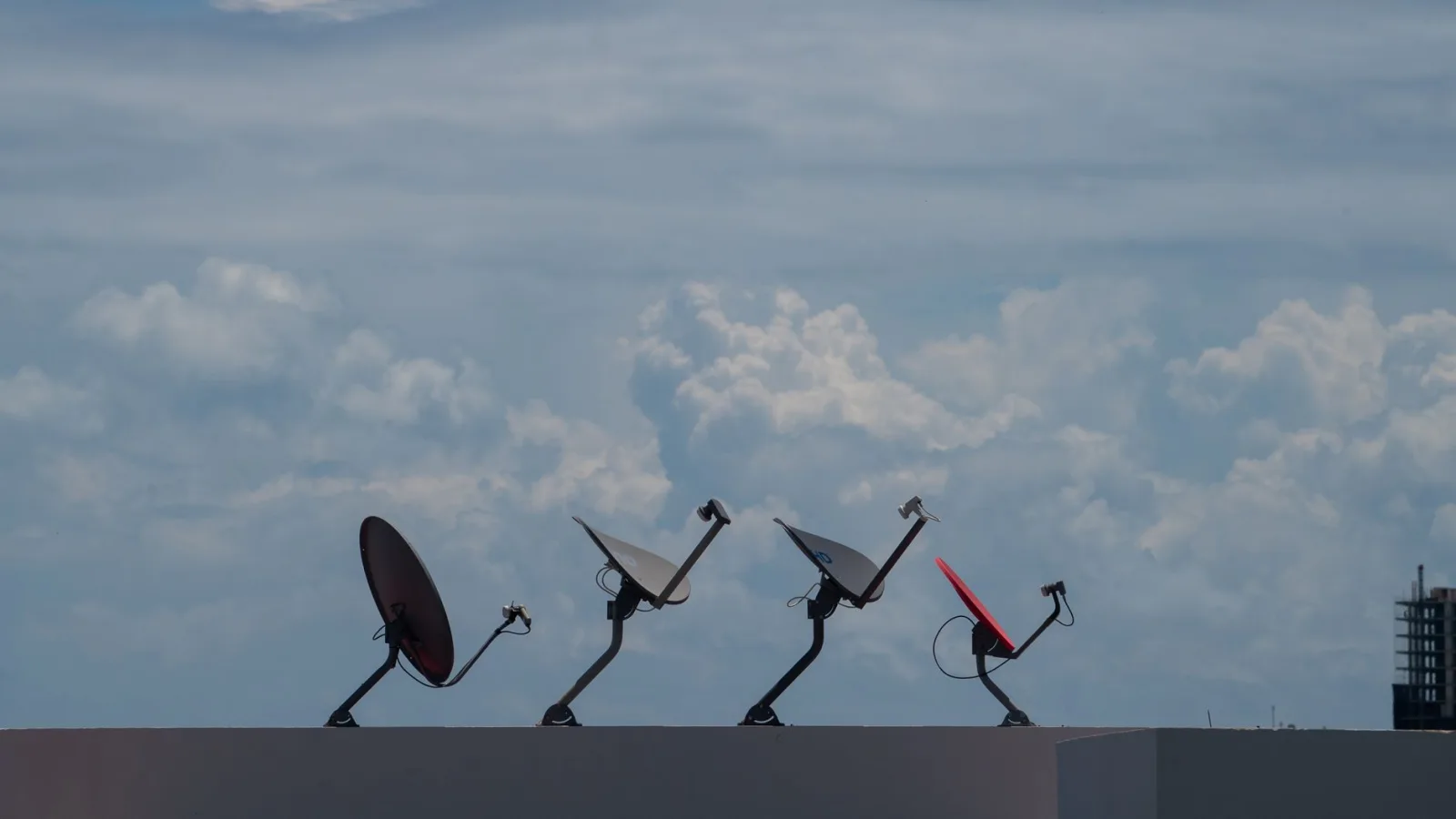
The biggest change already underway is losing the perimeter wire. For years, every robot mower needed a thin wire pegged or buried around the lawn to know where the grass ended. Now wire-free models use satellite positioning, usually RTK GPS with a small reference antenna, to hold their place within a few centimeters. You draw the boundary by walking the edge with the mower or tracing it on a map in the app. Wire still wins under heavy tree cover, where the sky view is blocked, but for open lawns the trend is clearly toward setups you can finish in an afternoon with no digging at all.
If you are just getting oriented, Robot Mower Smart Features Worth Paying For is the best place to begin.
Cameras and Real Obstacle Recognition
Early mowers were basically blind. They bumped into things, backed up, and tried again. The newer generation adds cameras and vision processing so the machine can actually see a garden hose, a sleeping pet, or a child's toy and steer around it before contact. Some models now claim to recognize specific objects rather than just detecting a blur ahead. This matters most for safety and for lawns full of clutter. It is still early, and vision struggles in low light or heavy shade, but the direction is unmistakable. Mowers are moving from bump-and-hope toward genuinely looking where they are going.
Smarter Mapping and Multi-Zone Brains
As positioning improves, so does what the mower does with it. Instead of wandering in random patterns, more machines now build a real map of your yard, remember separate zones, and plan efficient routes through each one. You can tell the app to mow the front on Mondays and the back on Thursdays, keep it away from the vegetable patch, and set different cutting heights per area. This mapping intelligence is where a lot of the near-future value sits. It turns a single mower into something that manages several distinct spaces on its own, which used to require multiple boundary loops and a lot of fiddling.
Weather Awareness and Self-Adjusting Schedules
Older mowers ran on a fixed timetable and a simple rain sensor. Newer ones are starting to pull weather forecasts and adjust on their own, delaying a run before a storm or mowing a little extra during a growth spurt after rain. A few tie into online forecast data rather than relying only on a sensor that gets wet. The promise is a lawn that gets exactly the trimming it needs without you touching the schedule. This is still uneven across brands, and the smartest features tend to sit behind an app subscription, but self-adjusting behavior is clearly the next expectation.
Trends Shaping the Next Few Years of Mowing
- Wire-free RTK GPS setups replacing pegged boundary wires on open lawns.
- Onboard cameras that see and steer around obstacles instead of bumping them.
- Object recognition that can spot pets, toys, and hoses.
- Detailed yard mapping with remembered multi-zone routes.
- Per-zone cutting heights and schedules set from the app.
- Weather-aware mowing that reads forecasts, not just a rain sensor.
- Self-adjusting schedules that respond to grass growth.
- Quieter motors suited to unobtrusive night mowing.
- More efficient batteries covering larger areas per charge.
- Tighter smart-home links with voice assistants and routines.
- More frequent firmware updates and connected-device features.
- Growing use of app subscriptions to enable advanced tools.
It helps to read this alongside How Camera-Based Robot Mowers Navigate.
Quieter, Longer-Lasting, and More Efficient
Not every advance is flashy. Behind the scenes, batteries keep getting more efficient, motors quieter, and cutting decks smarter about conserving power. Machines already run at a soft 55 to 60 decibels, and the goal is longer mowing per charge with less noise, so night runs bother nobody. Better efficiency also means a single charge covers more ground, which helps larger lawns that once needed premium packs. These gains are incremental and easy to overlook, yet they are the ones most owners actually feel day to day, more than any headline feature on the box.
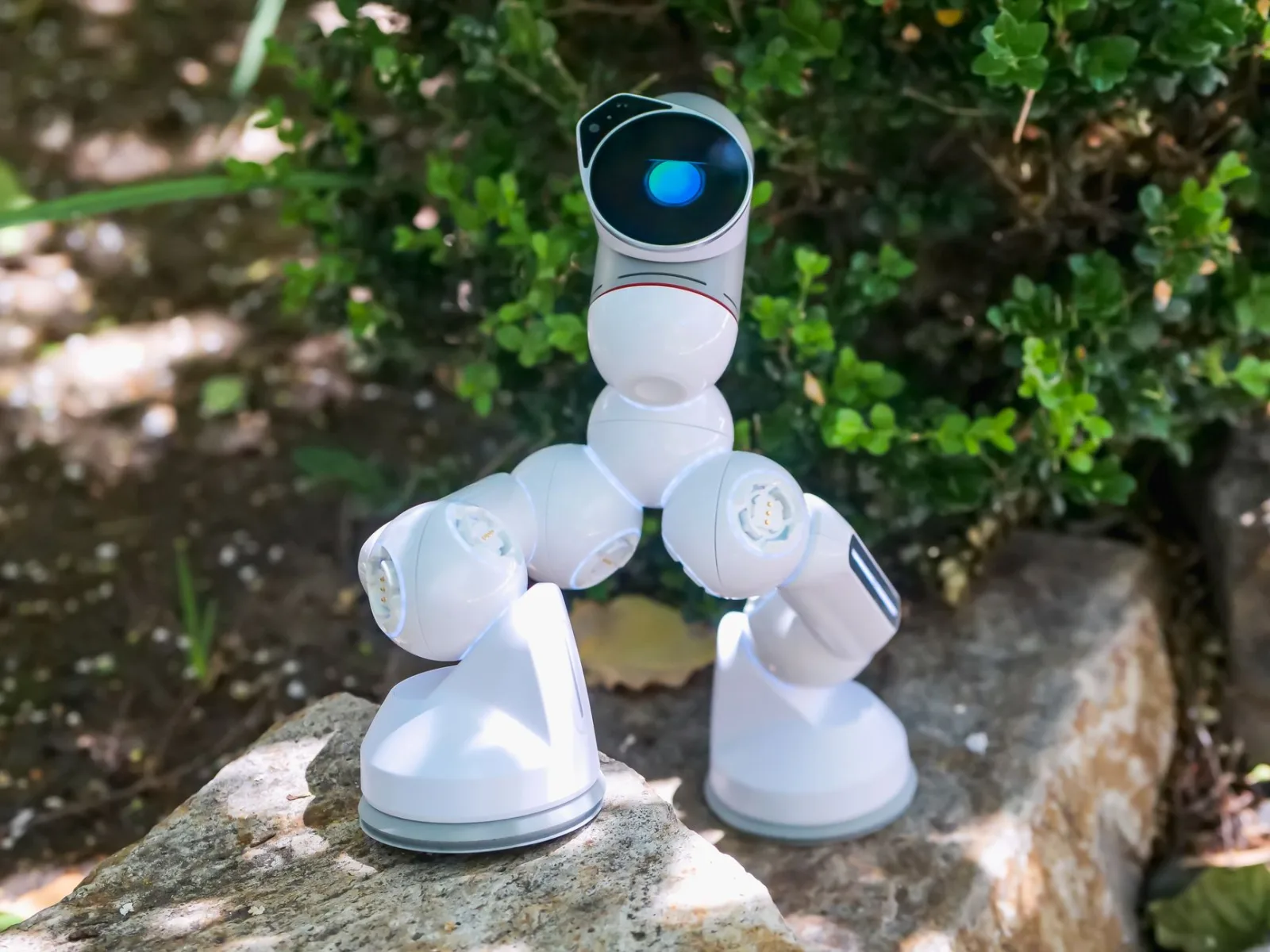
You can also dig into the technology inside robotic mowers for the wider science.
What to Be Skeptical About
For all the progress, keep a cool head. Fully autonomous, do-everything yard robots are still a marketing dream, not a shipping product. Vision systems can misjudge in bad light, RTK positioning falters near tall buildings and dense trees, and the fanciest features often require a steady app subscription to stay useful. Firmware also matters more than ever, since a mower is now a connected device that needs updates and can inherit bugs. Buy for what a machine reliably does today, not the roadmap. The technology is genuinely improving, but the safest purchase is still the one that fits your actual lawn right now.
One last thing
The trajectory is clear even if the timeline is fuzzy. Robot mowers are shedding their wires, gaining eyes, learning your yard, and starting to read the weather without being told. Some of that is here today and genuinely useful, and some is still a slide in a launch deck. The smart move is to enjoy the real gains, wire-free installs, better obstacle sensing, quieter runs, while staying skeptical of anything that only works in the demo. Buy the mower that already handles your lawn, keep its firmware current, and let the future arrive as a series of pleasant updates rather than a promise you paid for up front.
Many readers move on to Robot Mower Safety Features for Kids and Pets next.