My robot mower has run through a lot of weather, from a week of April drizzle to a July heat wave that had the patio too hot to walk on barefoot. The machine is built to live outdoors, which fools people into thinking weather does not matter. It matters. Rain affects cut quality and traction, heat is hard on the battery, and both can shorten the life of the parts if you ignore them. None of this requires hovering over the mower. It just takes a few sensible habits that I have learned to lean on across a full year of soggy and scorching days.
How Rain Affects Your Mower and Your Lawn
Robot mowers are weatherproof enough to sit outside, and most have a rain sensor that pauses mowing when it detects a downpour. That pause exists for a reason. Wet grass tears rather than slices, clumps under the deck, and sticks to the wheels, which hurts both cut quality and traction. Wet clippings also cake onto the blades and disc, dulling performance. You can usually mow again once the grass surface dries. If your model lets you set a rain delay, use it, since a couple of hours of drying time after a shower makes a real difference to how clean the cut looks.
For the bigger picture, our main guide Robot Mower Maintenance: The Complete Guide sets the scene.
Traction and Slipping in Wet Conditions
The most common wet-weather headache is slipping. On a slope that the mower handles easily when dry, wet grass can send the wheels spinning, especially on inclines toward the top of its rated range of 25 to 45 percent. Keep the wheel treads clean, since packed mud and clippings turn a grippy wheel smooth. If your yard has a bank that struggles after rain, schedule mowing for later in the day once the dew and moisture have burned off. For persistent problems, some models offer aftermarket studded or aggressive wheels. Clean, dry timing solves most slipping without spending a cent on new parts.
Keeping Water Out of the Right Places
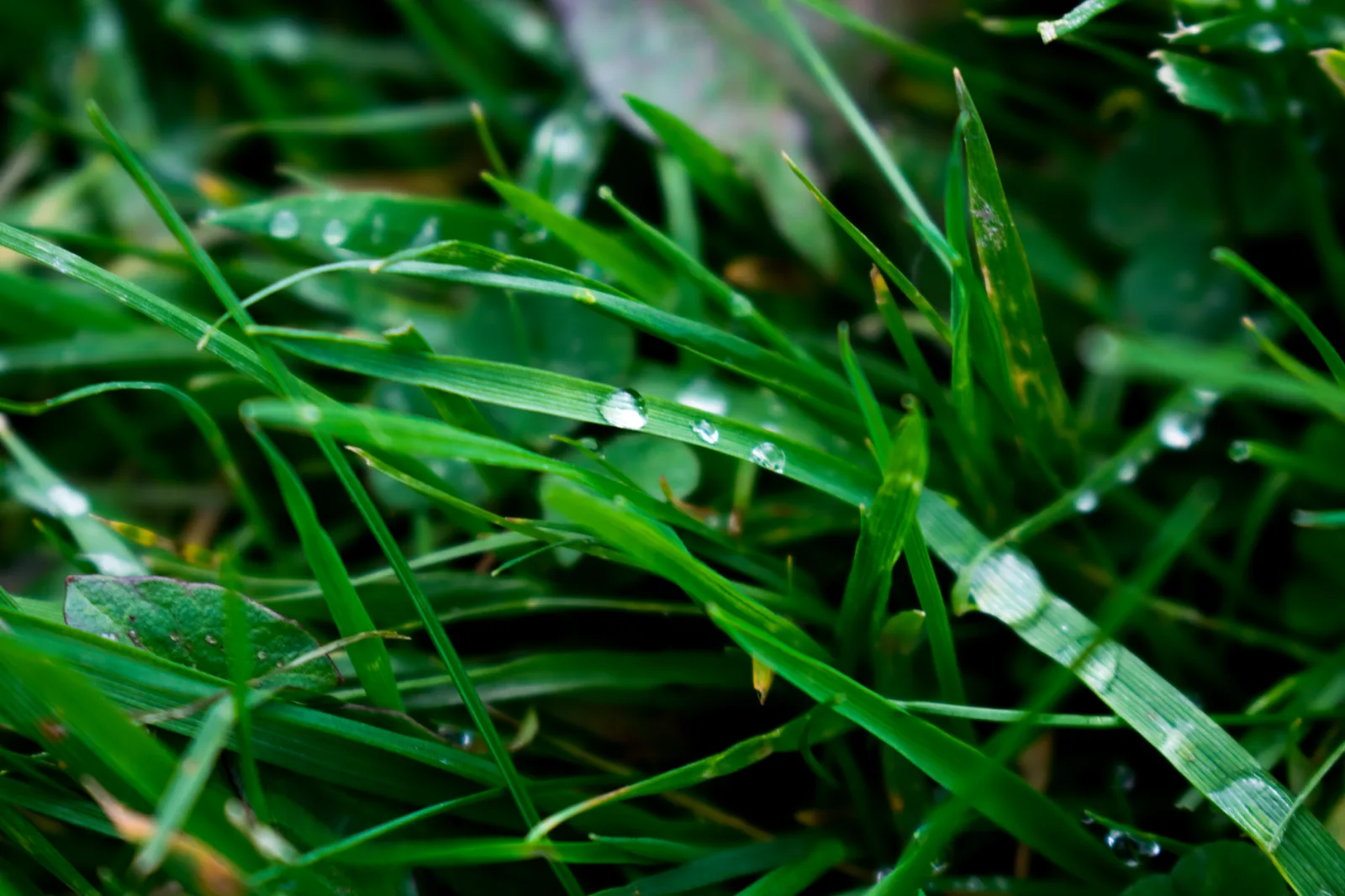
Weatherproof does not mean submarine. The mower shrugs off rain, but standing water is a different matter. Make sure the charging base and lawn drain well so the mower is not docking in a puddle, which invites corrosion on the charging contacts. Wipe those contacts clean when they look dull, since a film of oxidation from constant damp is a top cause of charging faults. Avoid blasting the machine with a pressure washer or a hard hose stream, which can force water past seals into electronics. A damp cloth and a soft brush do the cleaning job safely without risking the internals.
Heat, Sun, and Your Battery
Heat is quietly harder on a robot mower than rain. Lithium-ion batteries hate high temperatures, and repeatedly charging or storing a hot pack shortens its life over the seasons. When a heat wave hits, try to schedule mowing for the cooler morning or evening hours rather than the blistering midday sun. Give the mower shade at its dock if you can, even a simple garage or a small cover, so it is not sitting in direct sun all afternoon. A battery that lives cool lasts noticeably longer, which matters because the pack is the most expensive part to replace down the road.
Rain And Heat Care Habits
- Enable the rain sensor and a rain delay so wet grass gets time to dry
- Keep wheel treads clear of mud and clippings for grip on slopes
- Schedule slope mowing for later in the day once moisture burns off
- Make sure the dock and lawn drain so the mower never charges in a puddle
- Wipe dull charging contacts to prevent damp-related corrosion
- Never pressure-wash the machine; use a damp cloth and soft brush
- Mow in cool morning or evening hours during a heat wave
- Shade the dock so the battery is not baking in midday sun
- Raise the cutting height when the lawn is heat-stressed
- Mow less often when drought slows grass growth to a crawl
- Clear branches and debris before and after storms
- Bring the mower in ahead of high winds or flooding
If you want to go deeper, our guide to How to Clean a Robot Mower the Right Way covers the details.
Cut Quality and Watering in a Heat Wave
Grass behaves differently in extreme heat, and your mowing plan should follow. Stressed, dry lawns do better when cut a little taller, since longer blades shade the soil and hold moisture, so raise the cutting height during a heat wave rather than scalping the turf. Mow less often if growth has slowed to a crawl in drought, because there is little point trimming grass that is barely growing. Coordinate with your watering schedule too, ideally letting the lawn dry before a run. A taller cut plus smart timing keeps a summer lawn greener and eases the load on both the grass and the machine.
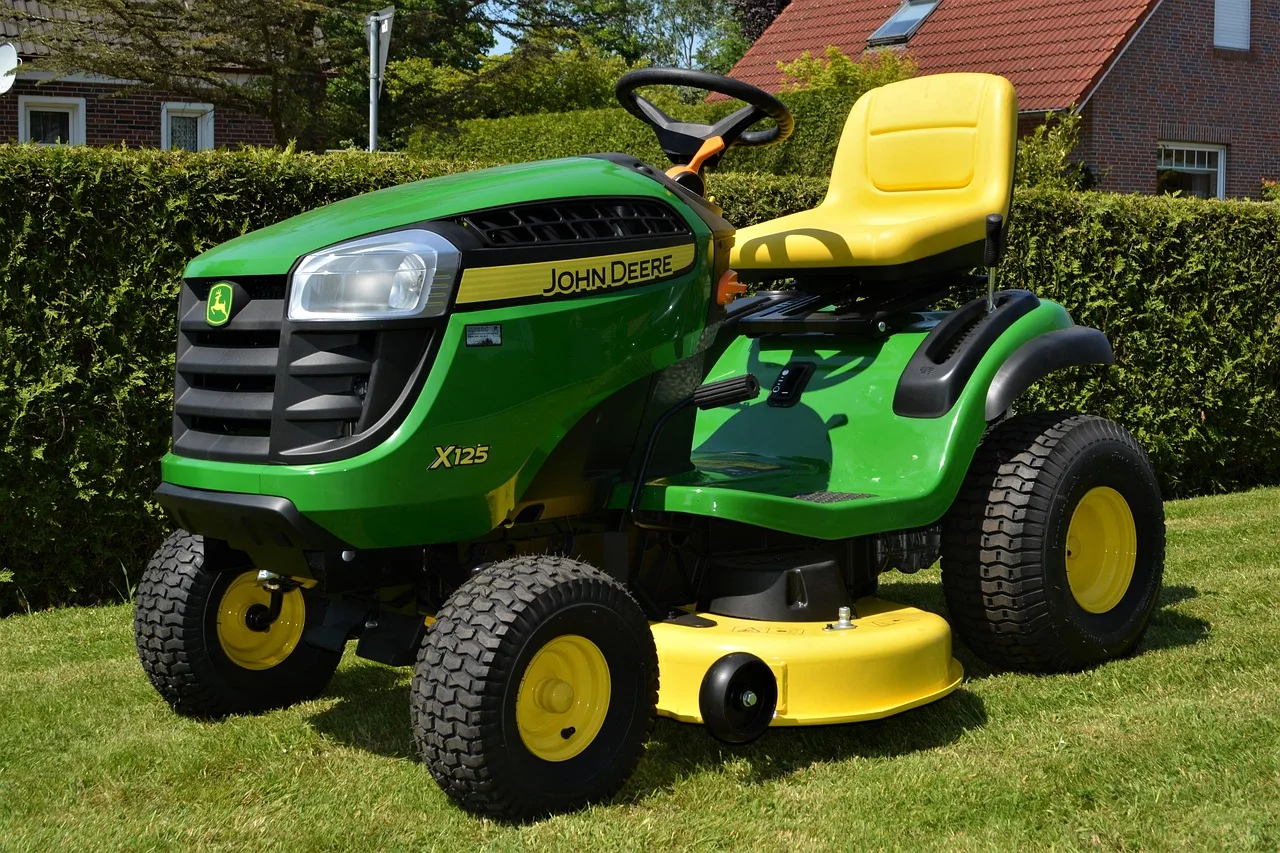
It is worth skimming general lawn mower mechanics for extra context.
Storms, Debris, and When to Bring It In
Most rain is fine, but a real storm calls for judgment. Before high winds, walk the lawn and clear fallen branches, and consider docking the mower or bringing it inside so a flying limb or flooding does not damage it. After a storm, sweep the yard for debris, since sticks and torn foliage jam the deck and trip obstacle sensors. Standing water or a flooded low spot is a good reason to pause mowing until it drains. A little attention around big weather events protects the machine far more than any accessory, and it takes only a few minutes to check the forecast and the yard.
What to do next
Weather is not the enemy of a robot mower, but ignoring it slowly wears one down. Rain mostly asks for patience, let the grass dry, keep the wheels and contacts clean, and let the sensor do its job. Heat asks for a cooler schedule and a shaded dock to spare the battery. Storms just ask you to check the yard and, when it is really blowing, bring the machine in. Build these small habits into your season and the mower rides out soggy springs and scorching summers without complaint, and the parts you paid the most for last a good deal longer.
We break down the next step in How to Clean Robot Mower Wheels and Sensors.