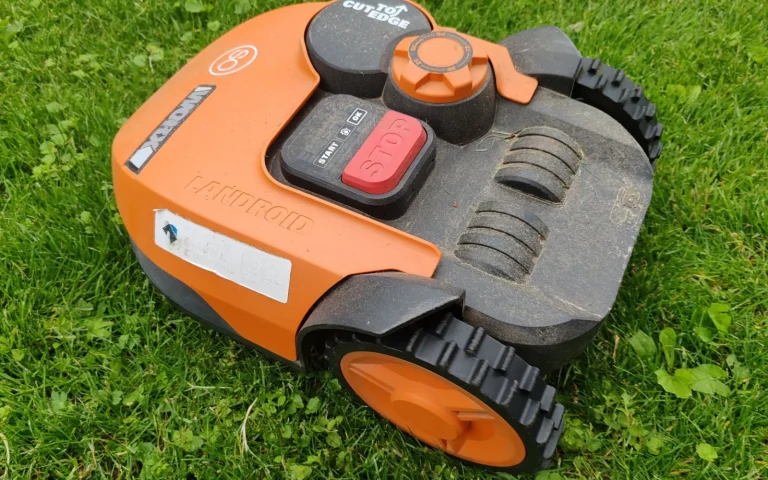
I loved how hands-off my mower was, right up until I looked at the lawn in low evening sun and saw it. Faint ridges and ragged tips, like the grass had been chewed rather than cut. It had been running every day, so why did the finish look worse, not better? Uneven cutting is one of the sneakier complaints, because the mower keeps working and the problem creeps in slowly. The good news is that the causes are few and each has a clean fix. Walk through them in order and you will find the culprit fast, usually before you even reach the last step. Let us sort your lawn out.
Step One: Look Closely at the Cut Itself
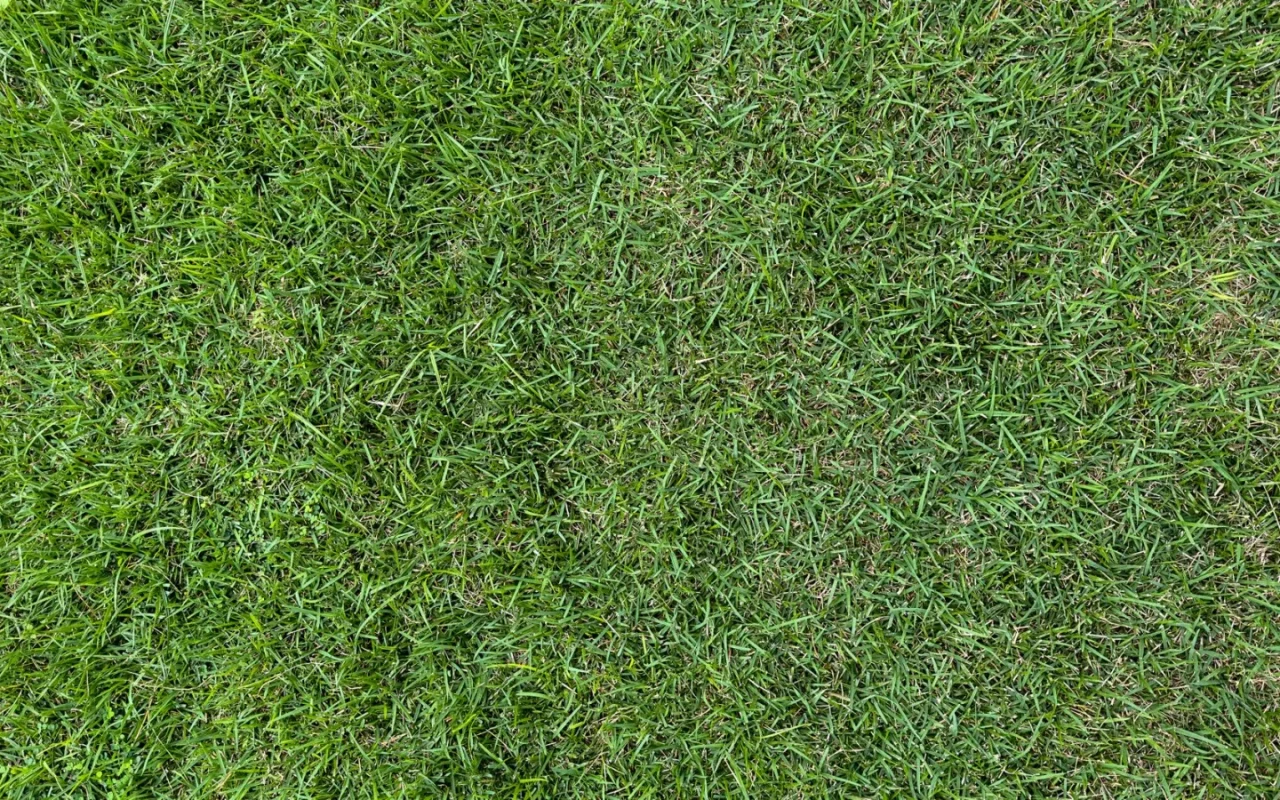
Diagnosis starts with your eyes and the grass tips. Kneel down in a rough patch and inspect the blades of grass. Clean, crisp tips mean a sharp cut, while frayed, whitish, torn ends mean the blades are dull and shredding rather than slicing. Look at the overall pattern too. Ridges and scalloping suggest a deck or wheel issue, while random tall tufts point to missed passes or a height problem. Ragged tips that turn brown after a day or two are the classic dull-blade signature. Naming what you actually see, torn tips versus ridges versus tufts, tells you which of the following steps to focus on first instead of guessing.
New to this? Start with our overview, Robot Mower Troubleshooting: Fix Common Problems, then come back here.
Step Two: Check and Replace the Blades
Dull blades are the number one cause of an uneven, ragged cut, full stop. Those small razor-style blades wear faster than people expect, especially in sandy soil or where the mower clips the odd twig. Flip the mower off, mind your fingers, and look at each blade. Chips, rounded edges, or one blade cracked off while others remain will all leave a patchy finish. Replace the whole set at once so cutting stays balanced, not one fresh blade against three worn ones. Plan on a new set roughly every 6 to 8 weeks in mowing season. A replacement set costs only a few dollars up to about 15 to 30, and it fixes more cut-quality complaints than any setting change.

Step Three: Set the Right Cutting Height
Height causes more uneven-looking lawns than people realize. Set too low, the deck scalps every high spot and bump, leaving pale scalped crowns next to longer grass in the dips. That contrast reads as uneven even when the blades are sharp. Raise the cutting height to suit your grass type, generally in the 0.8 to 2.4 inch range these mowers offer, and let the lawn even out over a week. Cutting a little higher also hides minor ground unevenness, since the deck rides above the small mounds instead of catching them. If your lawn is naturally bumpy, a higher setting is your friend, not a compromise. Small height changes make a big visual difference.
Step Four: Inspect the Deck, Wheels, and Underside
A tilted or dragging deck cuts on a slant, and that shows up as one-sided ridging. Turn the mower over and check the underside for a thick mat of packed clippings that changes how the deck sits and adds drag. Scrape it clean with a plastic tool. Check that all wheels turn freely and none is clogged with mud, since a dragging wheel drops one corner and tips the cut. On models with a floating cutting disc, confirm the blade disc spins freely and sits level. A deck that is caked, tilted, or riding on uneven wheels will carve ridges no matter how sharp the blades are, so clean before you conclude.
Causes of an Uneven Cut, From Most to Least Likely
- Dull or chipped blades shredding instead of slicing
- A cutting height set too low, scalping high spots
- The underside deck packed with matted clippings
- A wheel clogged with mud, tipping the deck
- A tilted or damaged cutting deck or disc
- One blade broken while the others remain intact
- Run time too short to cover the whole lawn
- A schedule too infrequent for the lawn size
- Wet grass bending and tearing under the deck
- Naturally bumpy ground catching the low deck
- Grass type that needs a higher cut than set
- Mixed old and new blades cutting at different depths
It helps to read this alongside Robot Mower Missing Spots in the Lawn.
Step Five: Rule Out Coverage and Run Time
Sometimes the cut is fine and the schedule is the problem. If the mower does not run long enough or often enough for your lawn size, it leaves some areas longer simply because it did not reach them before returning to charge. That patchy, some-tall-some-short look can masquerade as uneven cutting. Check that the run schedule matches your square footage, since a mower sized for a small lawn will struggle to keep a larger one uniform. These machines mow a little every day on purpose, dropping fine clippings that feed the lawn, so daily short sessions beat one long weekly cut. Increase run time or frequency and watch the tall stragglers disappear.

For broader background, lithium-ion battery basics is a solid reference.
Step Six: Fix Wet-Grass Tearing and Final Tuning
Wet grass cuts badly. It bends under the deck instead of standing up to be sliced, so the mower flattens some blades and shreds others, leaving a rough, torn finish. If your mower runs at dawn or right after sprinklers, the grass is slick and limp, and even sharp blades tear it. Shift the schedule to drier afternoon hours and the cut sharpens up on its own. As a final tune, make small changes one at a time, new blades, then height, then schedule, and give the lawn a few days between changes to respond. Chasing three variables at once just hides which fix actually worked. Follow your model's official manual for blade and height specifics.
What to do next
An uneven cut is frustrating precisely because the mower keeps running while the finish quietly slides. The causes, though, are short and predictable: dull blades first, then a too-low height, then a dirty or tilted deck, with wet grass and skimpy run time filling out the list. Start by reading the grass tips, because torn ends versus scalped crowns point you straight at the fix. Change one thing at a time and give the lawn a few days to answer back. Get the blades sharp, the height right, and the deck clean, and that smooth, even carpet comes back on its own.
We break down the next step in Why Your Robot Mower Won't Leave the Base.