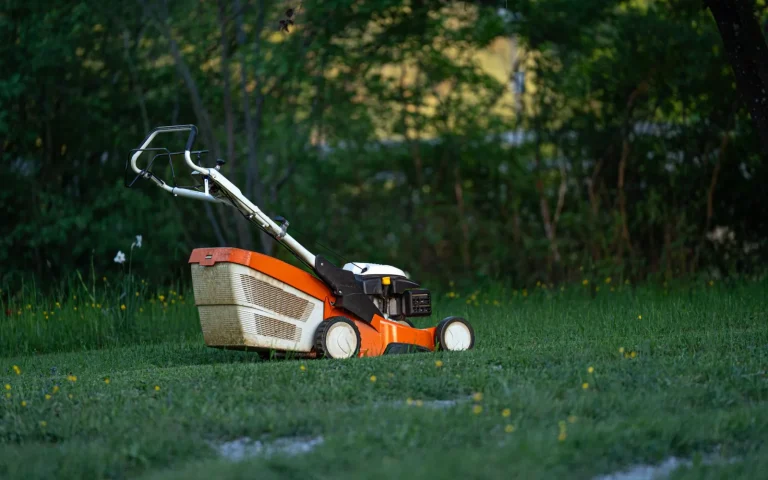
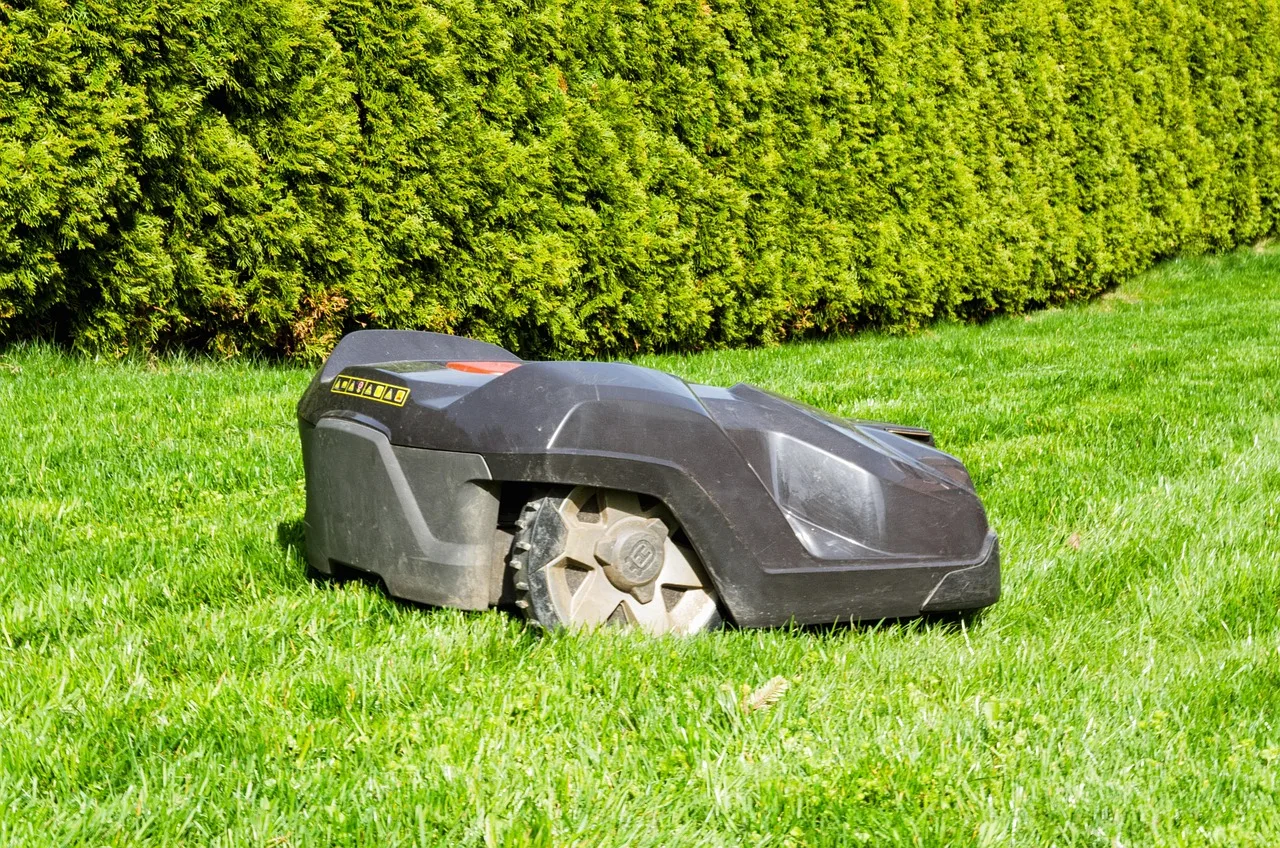
For about a week, my afternoon routine involved walking to the far corner of the yard to lift a beached robot mower out of a shallow rut. Every single day. I blamed the machine at first. Then I actually watched it work, and the problem was obvious: a soft dip near the downspout swallowed a front wheel every time it passed. The mower was fine. The lawn had a trap in it. That is the pattern with almost every stuck mower I have dealt with. The fix is rarely a new robot. It is finding the one or two spots doing the damage and dealing with them.
Step One: Watch a Full Cycle Before You Touch Anything
Resist the urge to change settings right away. Instead, let the mower run and follow it for ten or fifteen minutes with your phone in hand. Note the exact spots where it slows, spins a wheel, or tips. Most owners assume the mower gets stuck randomly, but it almost always fails in the same two or three places. Mark them with a golf tee or a spare peg. If you have the app, check whether it logs a stuck alert with a location. This short bit of detective work saves you from fiddling with schedules and blades that were never the problem. You are looking for the trap, not a general excuse.
New to this? Start with our overview, Robot Mower Troubleshooting: Fix Common Problems, then come back here.
Step Two: Fix the Ground, Not Just the Robot
Once you know the trouble spots, kneel down and look at the terrain. Ruts from foot traffic or a wheelbarrow, exposed tree roots, soft mud near a downspout, and mole hills are the classic wheel traps. Fill shallow ruts and dips with a bit of topsoil and reseed, so the surface sits flush. Level low spots that pool water and stay soft. For a raised root you cannot remove, route the mower around it with a no-go zone or a small border. A lawn that is smooth and firm underfoot is a lawn a robot mower can cross without drama, and this single fix ends most repeat strandings.
Step Three: Widen Narrow Gaps and Passages
Robot mowers need room to maneuver, and a pinch point will snag them. If your mower jams between a raised bed and a fence, or in the throat of a narrow side passage, measure the gap. Many models want at least 24 to 32 inches of clearance to pass comfortably, and boundary-wire setups need space for the wire spacing too. Trim back overgrown shrubs that lean into the path. Move planters and hose reels that creep onto the grass over summer. If a passage is simply too tight, set it as a separate zone or block it off and mow that strip by hand. Do not force a wide robot through a keyhole gap.
Step Four: Check the Wheels, Deck, and Slope
Sometimes the trap is on the mower itself. Flip it off, mind the blades, and look at the drive wheels. Treads packed with mud and clippings lose grip fast, so clean them with a brush and a plastic scraper. Long grass wrapped around an axle can bind a wheel until it drags. Check the underside of the deck for a thick mat of clippings that adds drag on soft ground. If the mower keeps sliding backward on a bank, compare the slope to the model rating, since many handle 25 to 45 percent inclines and struggle beyond that. Damp, steep grass is a common repeat offender.
Common Spots Where Robot Mowers Get Stuck
- Shallow ruts worn by foot traffic or a wheelbarrow
- Soft, muddy ground near a downspout or gutter outlet
- Exposed tree roots that lift above the grass line
- Mole hills and freshly dug soft mounds
- Narrow passages between a bed and a fence or wall
- Steep damp banks that exceed the slope rating
- Low spots that pool water and stay boggy
- Long grass that wraps and binds a drive axle
- Overhanging shrubs that crowd a pinch point
- Loose garden hoses and toys left on the lawn
- Slick grass at dawn or right after sprinklers run
- Deck packed with a thick mat of wet clippings
This connects neatly with Fixing a Lost GPS Signal on a Robot Mower.
Step Five: Adjust the Schedule and Cutting Height
Timing matters more than people expect. Wet grass is slick, so a mower scheduled for dawn or right after sprinklers will slip and strand itself far more than one running in the dry afternoon. Shift the schedule to drier hours and watch the stuck alerts drop. A cutting height set too low can also cause the deck to scrape and catch on uneven ground, so raise it a notch if the mower keeps grounding out. If your lawn has genuinely rough sections, letting the grass stay slightly longer gives the wheels more to bite into. Small schedule and height tweaks fix a surprising number of chronic cases.

It is worth skimming the fundamentals of robotic mowers for extra context.
Step Six: When to Suspect a Sensor or Hardware Fault
If you have smoothed the ground, cleaned the wheels, and fixed the schedule but the mower still freezes on flat, open lawn, look past the terrain. A lift or tilt sensor caked in mud can make the machine think it is being carried and stop dead. Wipe the sensor areas and the underside during your normal cleaning. A bump sensor jammed by a lodged stone will make it reverse in tight circles. Try a full power-down and restart, then install any pending firmware update through the app, since navigation bugs do get patched. If it still strands itself with no clear cause, contact the seller and always follow your model's official manual.
Before you head outside
The machine rarely deserves the blame. A robot mower that keeps getting stuck is reading you a map of the rough spots in your yard, and the fix lives in the ground more than the settings. Watch a cycle, mark the traps, and deal with the two or three spots doing the damage. Level a rut here, widen a gap there, clean the wheels, and nudge the schedule toward drier hours. Do that and the daily rescue walk disappears. Give it a couple of weeks after the fixes, then enjoy watching the thing quietly cross the yard on its own.
Many readers move on to How to Find and Fix a Broken Boundary Wire next.