The battery is the quiet workhorse of any robot mower, and it is also the part most owners neglect until it starts failing. I learned this the slow way, watching a friend's four-year-old mower shrink from a full afternoon of cutting to barely forty minutes before it crawled back to the dock. Nothing dramatic broke. The pack just wore out early because of habits nobody warned him about. Lithium-ion cells respond to how you treat heat, charge cycles, and winter storage. Get those three right and the same battery can outlast two sets of tires and dozens of blade swaps.
How the Lithium Pack Actually Ages
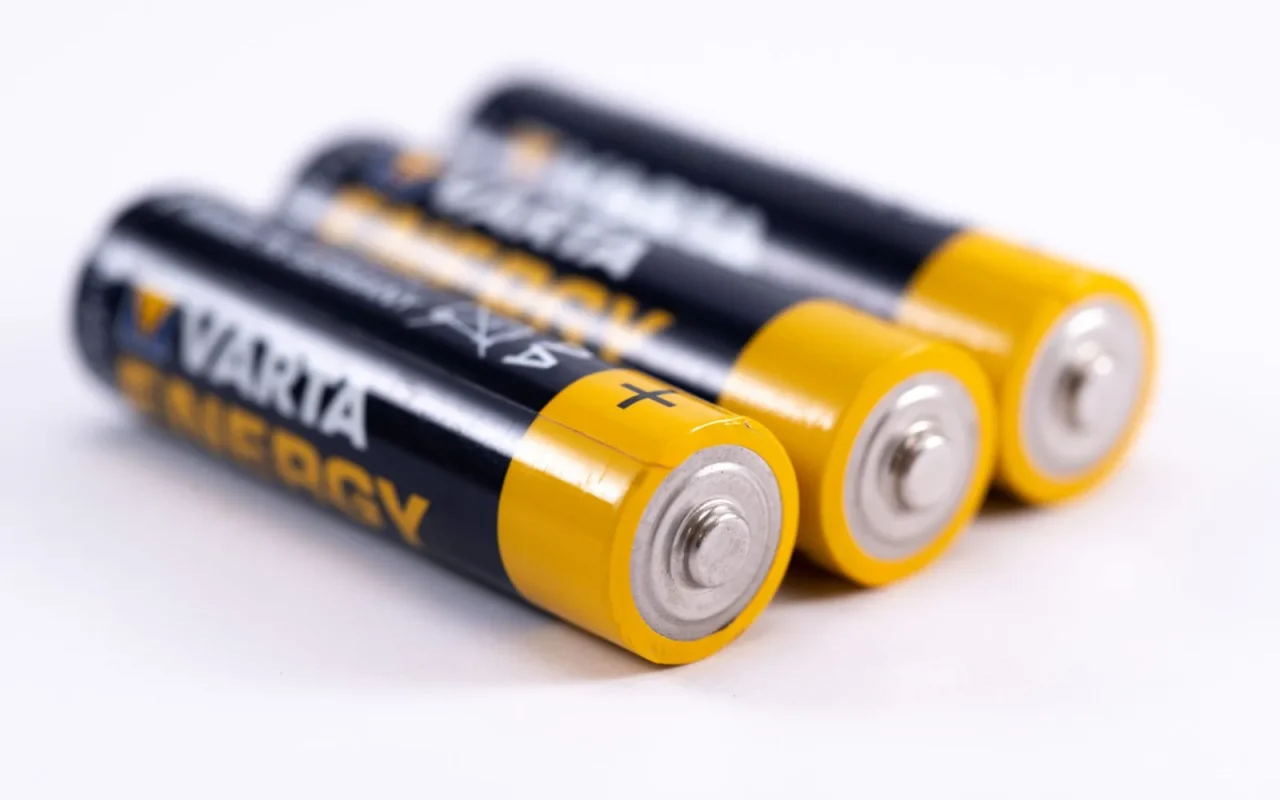
Robot mowers run on lithium-ion batteries, the same chemistry in your phone and cordless drill. These cells do not die suddenly; they fade with every charge cycle, losing a sliver of capacity each time. A healthy pack handles somewhere between 500 and 1,000 full cycles before capacity drops noticeably, which for most lawns means three to five seasons. Two things speed up that fade: sustained heat and sitting at extreme charge levels. Understanding that aging is gradual matters, because it means small changes in daily habits compound over years. You will not notice the difference in month one, but you will in year four when your neighbor is shopping for a new mower and yours still finishes the lawn.
New to this? Start with our overview, Robot Mower Maintenance: The Complete Guide, then come back here.
Charging Habits That Extend Life
Most robot mowers manage their own charging, returning to the dock at a low level and topping up between runs. That built-in cycling is actually gentle, since the pack rarely sits at a full 100 percent for long. The habit to avoid is leaving the mower fully charged and idle for weeks in warm weather. If your lawn slows in high summer or you travel, it is kinder to store the pack around 40 to 60 percent rather than plugged in and full. Recharge times typically run 45 to 90 minutes, and letting the mower follow its normal schedule is fine. The enemy is not frequent charging; it is heat combined with a full pack held for long stretches.

Temperature: The Silent Battery Killer
Heat does more damage to lithium cells than almost anything else. A mower that docks in full afternoon sun, with the base station baking against a south-facing wall, cooks its battery a little every day. If you can, place the charging station in shade or on a cooler side of the house. Cold is less destructive but still matters: charging a battery below freezing can cause permanent damage, which is one reason winter storage rules exist. The comfortable zone for a lithium pack is roughly the same range humans like, from about 50 to 77 degrees Fahrenheit. You cannot control the weather, but you can control where the dock sits.
Off-Season Storage Done Right
When the mowing season ends, how you store the battery decides how it wakes up in spring. Charge the pack to somewhere between 40 and 70 percent, never bone dry and never brimming full, then bring the mower indoors to a dry space that stays above freezing. A garage shelf or a basement corner works well. A fully depleted battery left all winter can slip into a deep discharge it never recovers from, and a fully charged one degrades faster in the cold. Check the manual for your specific model, since some ask you to top the charge up once mid-winter. That single mid-season check can save an expensive replacement.
Daily and Seasonal Battery Habits
- Keep the charging station out of direct, all-day sun where you can
- Let the mower follow its normal charge and mow schedule in season
- Avoid leaving a full battery idle for weeks in hot weather
- Store the pack at 40 to 70 percent over winter, never empty
- Bring the mower indoors above freezing for the off-season
- Never charge a battery that is below freezing temperature
- Watch for shrinking run time as the first sign of wear
- Check app battery-health readouts if your model reports them
- Stop immediately if the pack swells, smells, or runs hot
- Top up the charge once mid-winter if your manual asks for it
- Wipe charging contacts clean so the pack charges fully
- Buy a genuine or reputable replacement pack, not the cheapest one
Our companion piece, How to Replace Robot Mower Blades Safely, picks up where this leaves off.
Spotting a Battery on Its Way Out
A tired battery announces itself before it quits entirely. The clearest sign is shrinking run time: a mower that once cut for 90 minutes now manages 45 and heads home early. You might also notice it charging faster than it used to, because a worn pack simply holds less. Some app-connected models report battery health as a percentage, which takes the guesswork out. Physical warnings matter too. Any swelling, a hot casing after charging, or a chemical smell means you stop using it and contact the manufacturer. Batteries rarely fail dangerously, but a bulging pack is one problem you never ignore or try to nurse through another season.
You can also dig into general lawn mower mechanics for the wider science.
Replacing the Pack and What It Costs
Eventually every battery reaches the end, usually somewhere between three and six years depending on care and climate. Replacement is often cheaper and greener than buying a whole new mower. A genuine replacement pack typically runs $80 to $250, and on many models you swap it yourself with a screwdriver in ten minutes. Buy the manufacturer's battery or a reputable equivalent rather than the cheapest listing you find, since an ill-fitting or poor-quality cell can damage the charging circuit. When you fit a fresh pack into a mower that still cuts well, you effectively reset the clock and get several more seasons from a machine you already know and trust.
What to do next
Battery care is not complicated, and that is the good news. Keep the dock out of scorching sun, let the mower cycle normally in season, and give the pack a sensible partial charge in a frost-free spot over winter. Watch run time as your early warning gauge, and never argue with a swollen battery. Do these few things and you sidestep the single most expensive surprise robot mower owners face. When the pack finally does fade after several good years, a simple swap brings the whole machine back to life, which is a far better outcome than replacing a mower that still has plenty of cutting left in it.
You will find more on this in The Real Cost of Robot Mower Maintenance.