When I bought my first robot mower, I fixated on the sticker price and completely ignored what it would cost to keep running. Turns out the machine is the expensive part, and the upkeep is refreshingly cheap, but only if you know where the money actually goes. Friends often assume these things are money pits full of pricey parts. They are not. The honest yearly running cost for most owners lands somewhere between a tank of gas and a nice dinner out. Let me break down every recurring expense in plain dollars so you can budget without guessing.
Blades: The Main Recurring Cost
Blades are the one thing you replace on a schedule, roughly every 6 to 8 weeks in mowing season. A full set of small razor blades with screws runs a few dollars up to about $15 to $30 depending on brand and quality. Over a typical seven-month season that is maybe four to six changes, so budget somewhere around $30 to $90 a year for most lawns. Star-blade models change less often but can cost a little more per piece. Either way this is pocket change compared to gas, oil, and tune-ups on a traditional mower, and it is the single expense worth planning for.
If you are just getting oriented, Robot Mower Maintenance: The Complete Guide is the best place to begin.
The Battery: Your Biggest Long-Term Expense
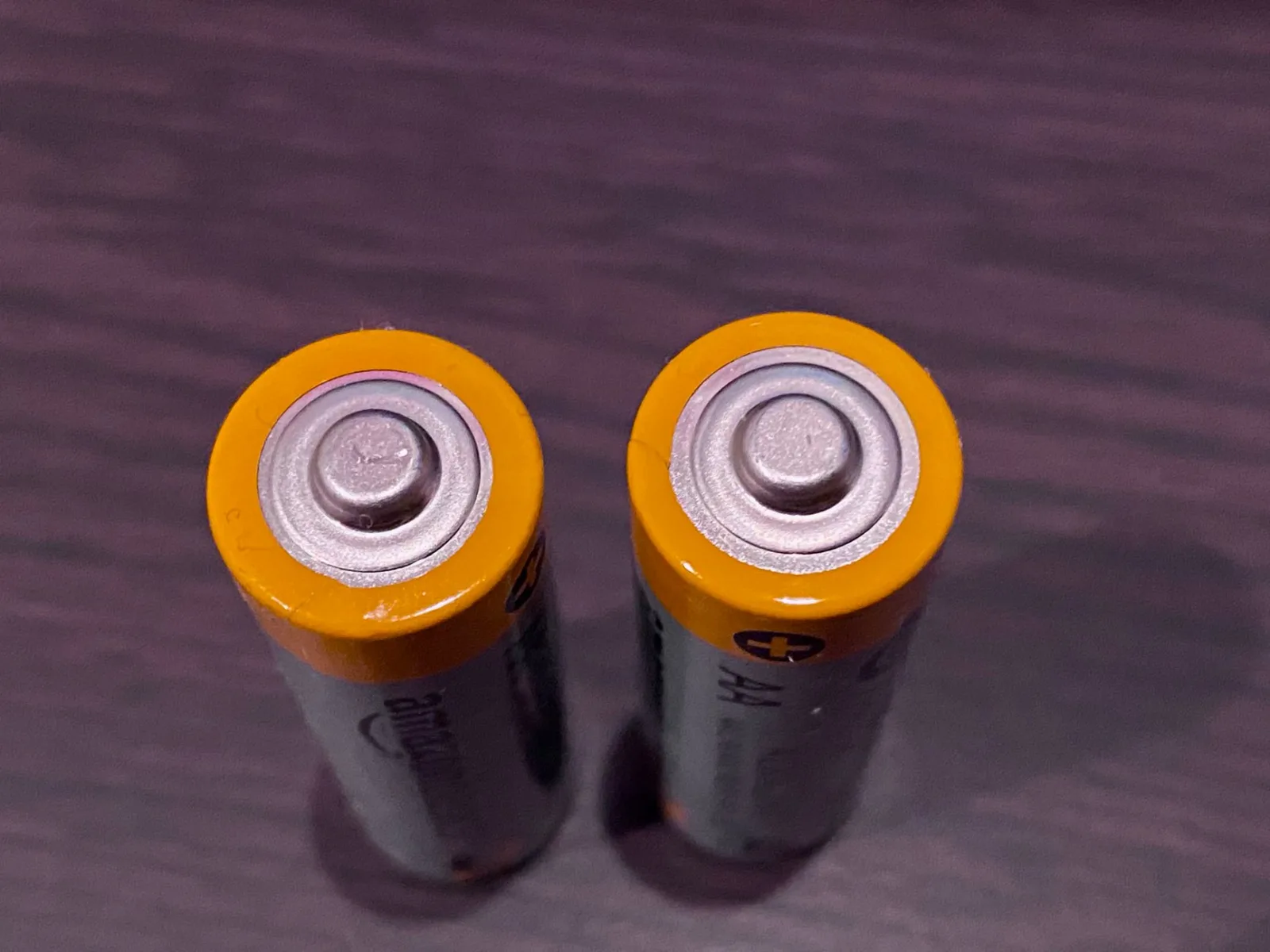
The lithium-ion battery is the part that eventually costs real money, though not every year. Packs typically last around three to five seasons before capacity fades enough to matter, and a replacement often runs $100 to $300 depending on the model. Spread across those years it works out to maybe $30 to $75 annually. You can stretch battery life with good care: avoid deep discharges, store it charged in a cool spot over winter, and keep it out of extreme heat. Treat the battery well and you push the replacement further out, which is the biggest single lever on your long-term cost.
Boundary Wire and Small Parts
If you own a boundary-wire model, the wire itself occasionally needs attention. Frost, aeration, and curious dogs cause breaks, and a repair usually means a waterproof connector costing a few dollars, or a spare length of wire and extra pegs for maybe $15 to $40 if you extend or re-lay a zone. Wire-free GPS models skip this entirely. Beyond wire, small consumables like replacement pegs, a spare charging contact, or the odd wheel can add $10 to $30 across a year. None of it is dramatic, but keeping a small parts kit on the shelf saves you an emergency order mid-season.
Electricity: Cheaper Than People Expect
People often overestimate what it costs to run a robot mower. These machines sip power. A typical unit uses only a small amount of electricity per charge, and even mowing daily through the season the yearly bill usually lands around $10 to $25 for most US homes. Compare that to buying gas for a push or riding mower and the robot wins easily. The charging base draws a trickle when idle, so unplugging it over winter trims a few cents but is really about safety and tidiness. In short, electricity is the smallest line on this whole budget.
Yearly Maintenance Costs At A Glance
- Replacement blades: about $30 to $90 per season
- Battery fund, spread over its life: roughly $30 to $75 a year
- Boundary wire repairs and connectors: a few dollars to $40
- Small parts like pegs and wheels: $10 to $30
- Electricity to run and charge: about $10 to $25 a year
- Optional professional annual service: $80 to $200
- Out-of-warranty repair, if needed: $100 to $400 occasionally
- Cleaning supplies like brushes and contact cleaner: under $20
- Winter storage bag or shelf space: a one-time $15 to $40
- Typical DIY all-in yearly total: roughly $80 to $230
We break down the next step in Spring Startup: Waking a Robot Mower After Winter.
Professional Service and Repairs
Most maintenance is a job you can do yourself with a screwdriver and a brush. Some owners still pay for a professional annual service, which typically runs $80 to $200 and covers a deep clean, blade change, software check, and a wire inspection. Out-of-warranty repairs are the wild card. A motor, mainboard, or wheel drive can cost $100 to $400 if something fails outside coverage, though many machines run years without a single repair. Buying a model with a solid warranty and doing routine cleaning yourself is the cheapest path, since neglect is what turns a $15 fix into a $300 one.
For broader background, general lawn mower mechanics is a solid reference.
Adding It All Up for a Realistic Year
Put the pieces together and the picture is friendly. A typical owner spends roughly $30 to $90 on blades, sets aside $30 to $75 a year toward an eventual battery, adds $10 to $40 for wire and small parts, and pays maybe $10 to $25 for electricity. Skip paid service and do it yourself and your all-in running cost lands somewhere around $80 to $230 a year, most years far less. Add an occasional battery or repair and a rare year climbs higher. Even then, robot mower maintenance cost stays well below the fuel, servicing, and time a traditional mower demands.
Warranty Coverage and What It Skips
A warranty shapes your real maintenance budget more than most buyers realize. Typical coverage runs two to three years on the mower body and often just one year on the battery, which is telling given the battery is the priciest part to replace. Read what counts as wear versus defect, because blades, wheels, and the boundary wire are almost always treated as consumables you pay for yourself. Water damage from mowing in heavy rain, chewed cables, and blade strikes on hidden rocks usually fall outside coverage too. Some brands offer an extended plan for around fifty to a hundred dollars that stretches the battery term, which can pay for itself if you keep the machine five years. Register the product promptly and keep receipts, because a missing purchase date is the most common reason a valid claim gets bounced back.
A final word
The reassuring truth about robot mowers is that upkeep is cheap and predictable once you know the pieces. Blades are the steady small cost, the battery is the one big line to plan for, and everything else, wire, parts, and electricity, barely moves the needle. Do the routine cleaning yourself and treat the battery kindly, and most years you will spend less on the machine than on a couple of tanks of gas. Budget a modest amount, keep a small parts kit on the shelf, and the running cost stays exactly where it should be, quietly in the background.
Many readers move on to Robot Mower Maintenance Mistakes That Cost You next.