A robot mower is an unusual thing to own. It costs as much as a decent laptop, yet it lives outdoors, often in full view of the street, quietly working while nobody watches. That combination makes it a tempting target, and the machines know it. Over the years manufacturers have layered in defenses that range from a simple PIN to satellite tracking. Some of it is genuinely effective. Some is theater. Having helped a few neighbors set theirs up, I want to walk you through what each feature really does and how to use them together.
PIN Locks: The First Line of Defense
Almost every robot mower asks for a PIN code before it will run or before its settings can change. It is the equivalent of a car key. A stolen mower without the PIN is a heavy paperweight, unable to mow and awkward to resell, which removes much of a casual thief's motive. Set a PIN you will remember but that is not obvious, and avoid leaving it on a sticky note near the dock. This one small step, enabled during setup, blocks the easiest form of opportunistic theft and costs you nothing extra.
If you are just getting oriented, Robot Mower Smart Features Worth Paying For is the best place to begin.
Alarms That Draw Attention
Lift a locked mower and most models shriek. A loud alarm, often over ninety decibels, does two useful things: it startles the person handling the machine and it alerts anyone nearby that something is wrong. Thieves prefer quiet, so noise is a real deterrent. The alarm usually triggers on lifting, tilting, or moving the mower without a valid PIN entry. It is worth testing yours once so you recognize the sound and know the feature actually works. Pair the alarm with tracking and a would-be thief faces both racket and a digital trail.
GPS Tracking and Recovery
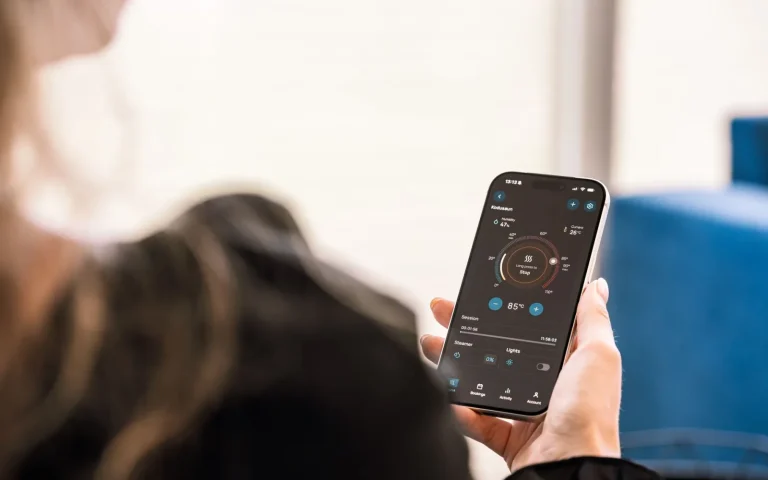
For higher-value machines, GPS tracking adds the ability to locate the mower if it does disappear. The stronger systems use a cellular connection so the mower can report its position from anywhere, not just within home WiFi. That can turn a total loss into a recovery, sometimes with help from local authorities. Tracking is most valuable on premium mowers where the replacement cost stings, and some brands charge a small ongoing fee for the cellular link. On a budget machine, a PIN and alarm often make more financial sense than paying for tracking.
Geofencing and Component Locking
Geofencing sets a virtual boundary around your property and alerts you the instant the mower crosses it without authorization. Some systems go further and lock the mower to your specific account, so even after a factory reset it stays useless to anyone else, much like an activation lock on a phone. That account lock is quietly one of the strongest deterrents, because it destroys resale value. Check whether a model offers it, since not all do, and it turns a stolen mower into little more than scrap in a stranger's hands.
Your Anti-Theft Setup Checklist
- Set a non-obvious PIN and do not post it near the dock
- Enable the lift and tilt alarm, then test the sound
- Turn on GPS tracking if the model supports it
- Confirm whether tracking uses cellular or only WiFi
- Activate geofencing around your actual lawn boundary
- Register the mower to your account to block resale
- Record the serial number in a safe place
- Place the dock out of view from the street
- Stake or anchor the charging base if possible
- Set the mower to return home soon after mowing
- Add a light or camera near the docking area
- Register ownership with the manufacturer
We break down the next step in Robot Mower vs Robot Vacuum: How Smart Are They?.
Physical Placement and Deterrence
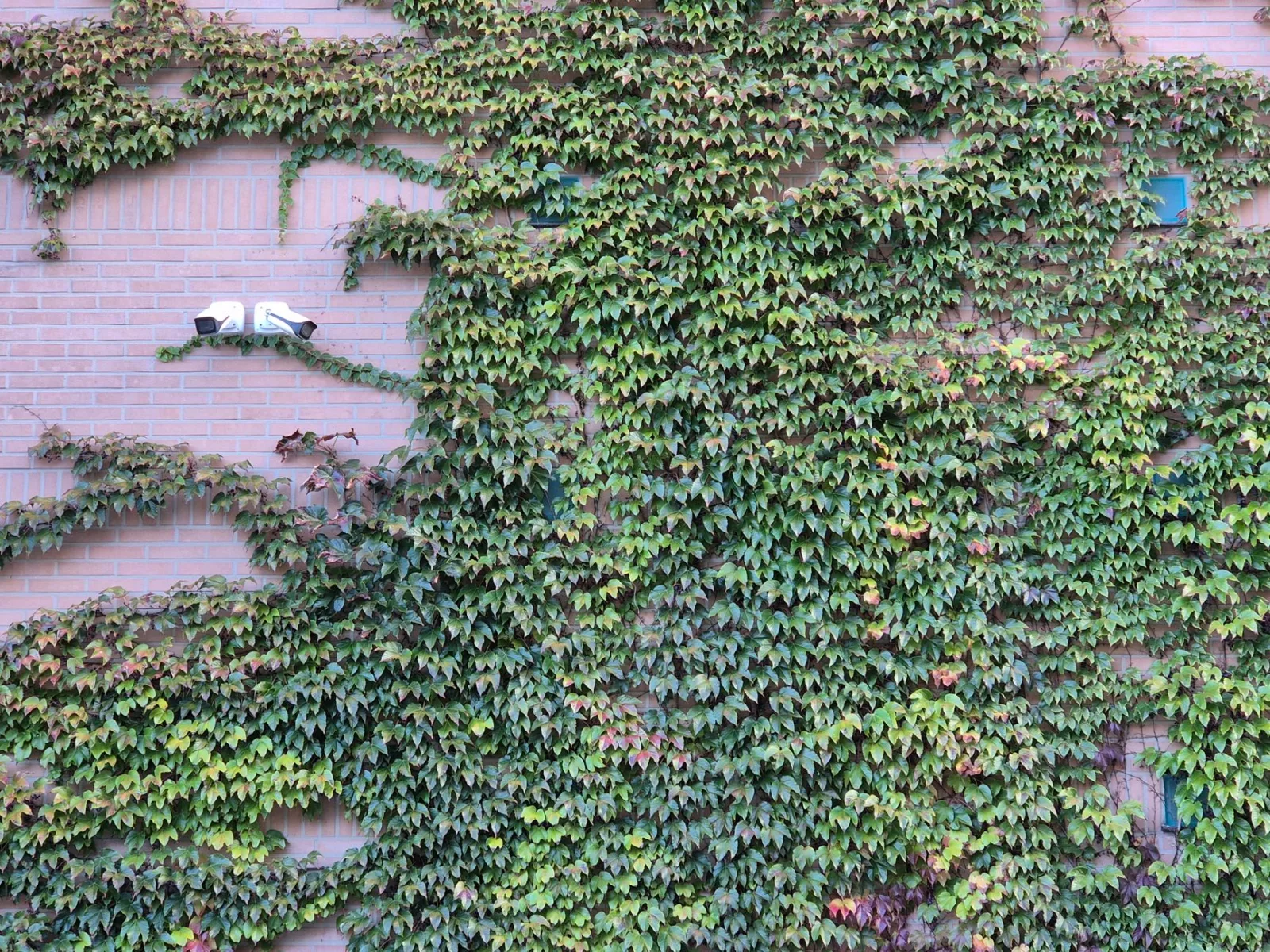
Technology helps, but where you keep the machine matters just as much. A dock tucked behind the house, out of sight from the sidewalk, is far less tempting than one parked by the front gate. Some owners anchor the charging base with ground stakes or set the mower to return home promptly after each run rather than idling in the open. Good lighting and a visible security camera near the dock add ordinary, low-tech deterrence. Thieves target the easy and the visible, so making your mower neither is half the battle.
For broader background, the RTK positioning technology behind wire-free mowers is a solid reference.
Layering Your Defenses Sensibly
No single feature is a fortress, so the smart approach is to stack them in proportion to the mower's value. On a $500 unit, a PIN, a loud alarm, and a discreet dock location cover the realistic risk. On a $2,500 premium machine, add cellular GPS tracking, geofencing, and an account lock so recovery and deterrence both improve. Register the mower with the manufacturer and record its serial number, which helps enormously if you ever need to prove ownership to police or an insurer. Match the effort to what you are protecting.
What to Do If Yours Is Stolen
Even a well-defended mower can vanish, and knowing the steps in advance saves precious time. The moment you notice it gone, open the app and check the last reported GPS location and any movement alerts, then screenshot them. Do not go confront anyone yourself. Instead, file a police report with the serial number, the tracking data, and your proof of purchase, because a documented case with location history is far more likely to be acted on. Contact the manufacturer too, since some can lock a stolen unit remotely so the thief cannot pair it to a new account or even charge it. Notify your home insurer, as many policies cover outdoor equipment. Keep the serial number and receipt filed somewhere separate from the garage now, before anything happens, so you are not scrambling for details in the worst moment.
The short version
Protecting a robot mower is less about one clever gadget and more about stacking sensible layers so the machine becomes a poor, noisy, traceable target. Start with the free basics that come built in: a PIN, an alarm, and a dock hidden from the street. Add tracking and geofencing when the mower's price justifies the effort, and lock it to your account so a thief gains nothing but scrap. Record the serial number and register it while you are at setup. Do that much and your mower is far more likely to spend its life on your lawn, where it belongs, than in someone else's truck.
Our companion piece, How Robot Mower Rain Sensors Work, picks up where this leaves off.