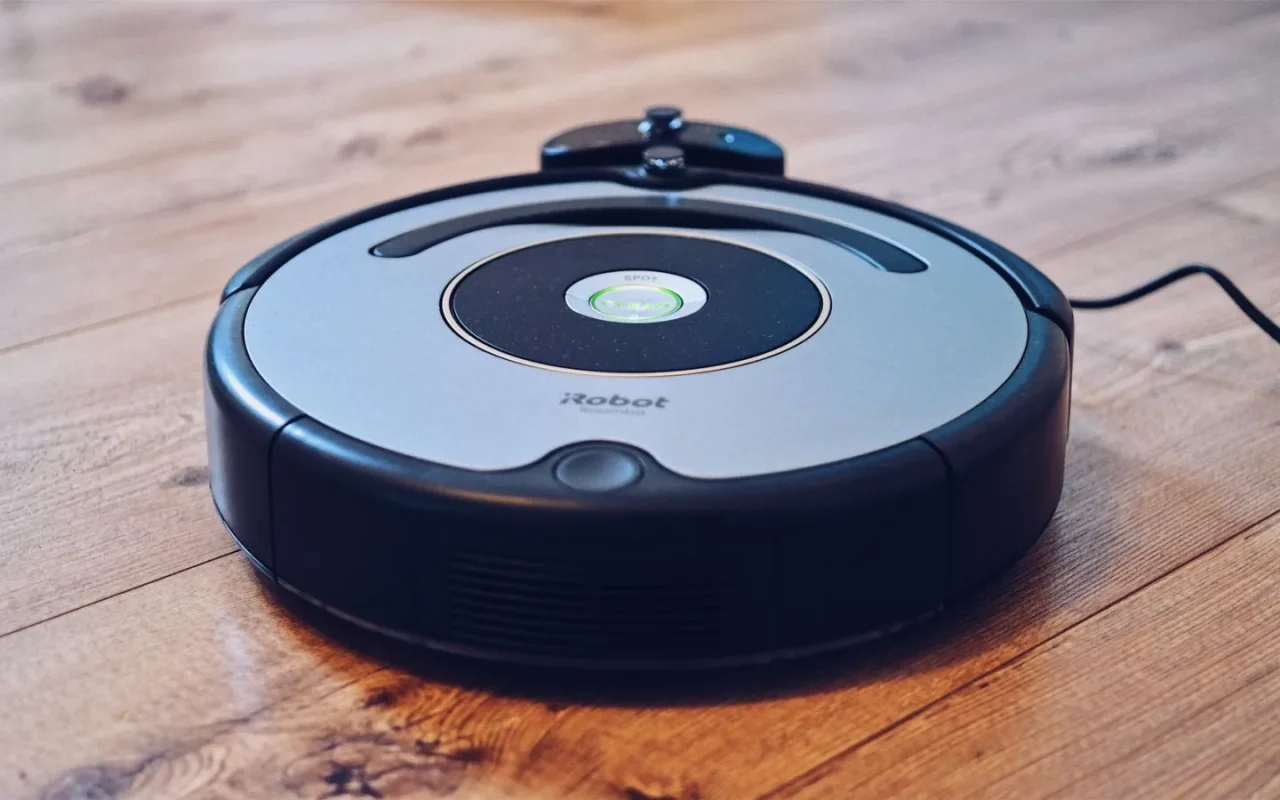
People assume the robot vacuum indoors and the robot mower outdoors are basically cousins, one for floors and one for grass. Owning both taught me they are more like distant relatives who solved the same problem in opposite ways. The vacuum maps a tidy, bounded living room in minutes. The mower faces sun, rain, slopes, and a lawn that regrows daily. Ask which is smarter and the honest answer depends on what you mean by smart. Let me put them side by side on navigation, mapping, sensing, and independence, then hand down a verdict.
The Jobs Are Not the Same
Before crowning a winner, it helps to see how different the tasks really are. A robot vacuum works indoors on a flat, stable, well-lit floor inside four walls, and the room barely changes day to day. A robot mower works outdoors on uneven, sloped ground in shifting weather, over grass that grows back and demands cutting again tomorrow. The vacuum's world is small and predictable; the mower's is large and chaotic. That gap shapes every design choice, so comparing their intelligence is a bit like comparing a librarian to a park ranger. Both are clever, just at wildly different problems.
New to this? Start with our overview, Robot Mower Smart Features Worth Paying For, then come back here.
Navigation: Mapping a Room Versus a Yard
Modern robot vacuums often map with lidar, spinning a laser to build a precise floor plan they store and reuse, letting them clean in neat rows and return to base efficiently. Robot mowers split into two camps: older wire-guided models that mow in a semi-random pattern within a boundary wire, and newer GPS or RTK models that map the lawn and cut in tidy lines. Indoors, lidar is cheap and effective because walls give it clean reference points. Outdoors, walls do not exist, so the mower leans on satellites or a buried wire. The vacuum usually looks smarter here, but only because its environment is far kinder.
Sensors and Obstacle Handling
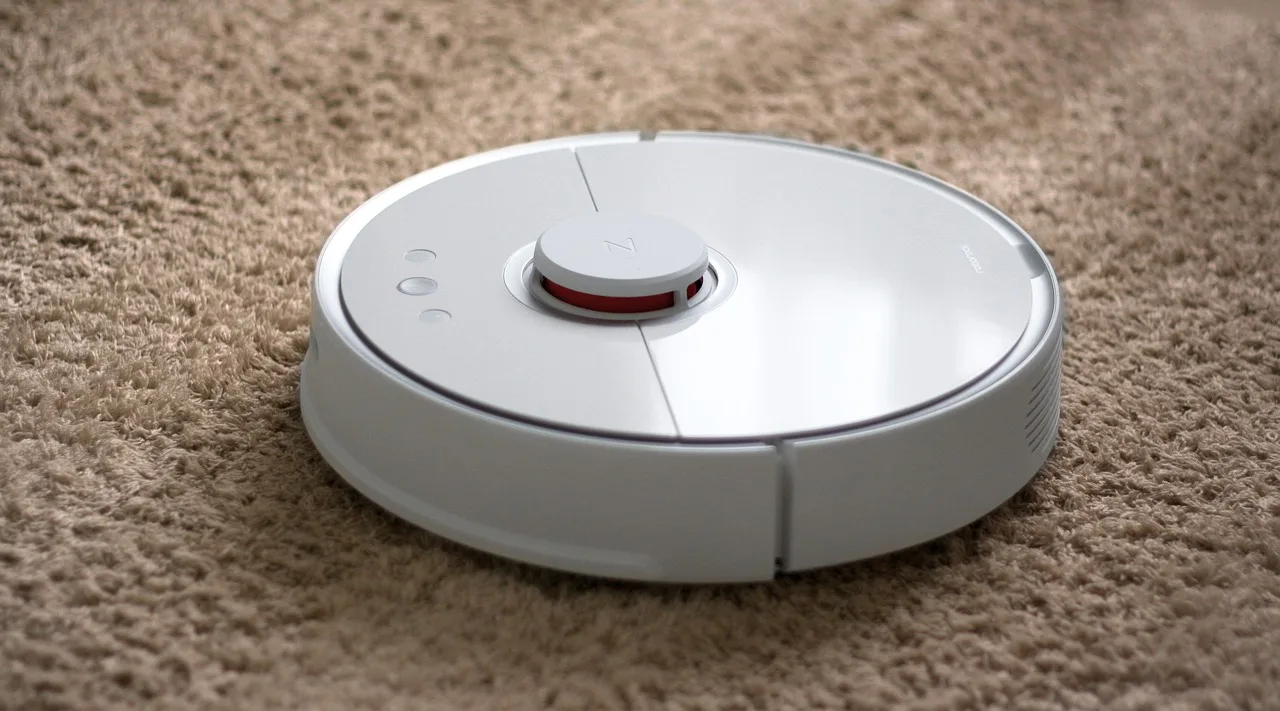
Both machines dodge obstacles, yet the stakes differ. A vacuum bumps a chair leg and reroutes with no consequence. A mower must avoid a sleeping pet and a spinning blade at the same time, so its lift, tilt, and bump sensors carry real safety weight. Premium mowers now add cameras and ultrasonic detection much like high-end vacuums do. The difference is that a mower's mistake can rut a lawn or, in the worst case, matter for safety, while a vacuum's mistake is a missed corner. On raw sensor count they are converging, but the mower carries heavier responsibility.
Weather, Terrain, and Autonomy
This is where the mower pulls ahead on grit, if not on polish. It handles rain sensors, slopes of 25 to 45 percent, anti-theft GPS, and weeks of running with almost no human contact. A vacuum never faces weather, never climbs a real hill, and rarely goes missing from the living room. The mower also runs a schedule across an entire season outdoors, self-charging and resuming for months. In terms of surviving a harsh, unpredictable environment with minimal babysitting, the mower is arguably the more autonomous machine, even if the vacuum draws a prettier map.
Robot Mower and Robot Vacuum at a Glance
- Vacuum works indoors on flat, stable, well-lit floors
- Mower works outdoors on slopes in changing weather
- Vacuums often map rooms precisely with spinning lidar
- Mowers navigate by boundary wire or GPS and RTK
- Both dodge obstacles with bump and newer sensors
- Mower sensors carry real safety weight from the blades
- Mowers add rain sensors and anti-theft GPS tracking
- Vacuums never face weather, slopes, or theft outdoors
- Both offer app scheduling, zones, and notifications
- Both increasingly link to smart-home and voice control
- Mowers run autonomously across a whole growing season
- Each is best judged on its own task, not the other
Our companion piece, Making Sense of Robot Mower App Notifications, picks up where this leaves off.
App Smarts and Daily Living
On the software side they feel like siblings. Both offer phone apps with scheduling, zone control, progress maps, and notifications, and both increasingly tie into smart-home systems and voice assistants. A vacuum might let you say clean the kitchen; a mower might let you send it home before a barbecue. The daily experience is similar: set a schedule, glance at the app now and then, intervene rarely. If you judge intelligence by app polish and convenience, they are close to a tie, with the vacuum often a step ahead simply because indoor tech iterates faster and cheaper.
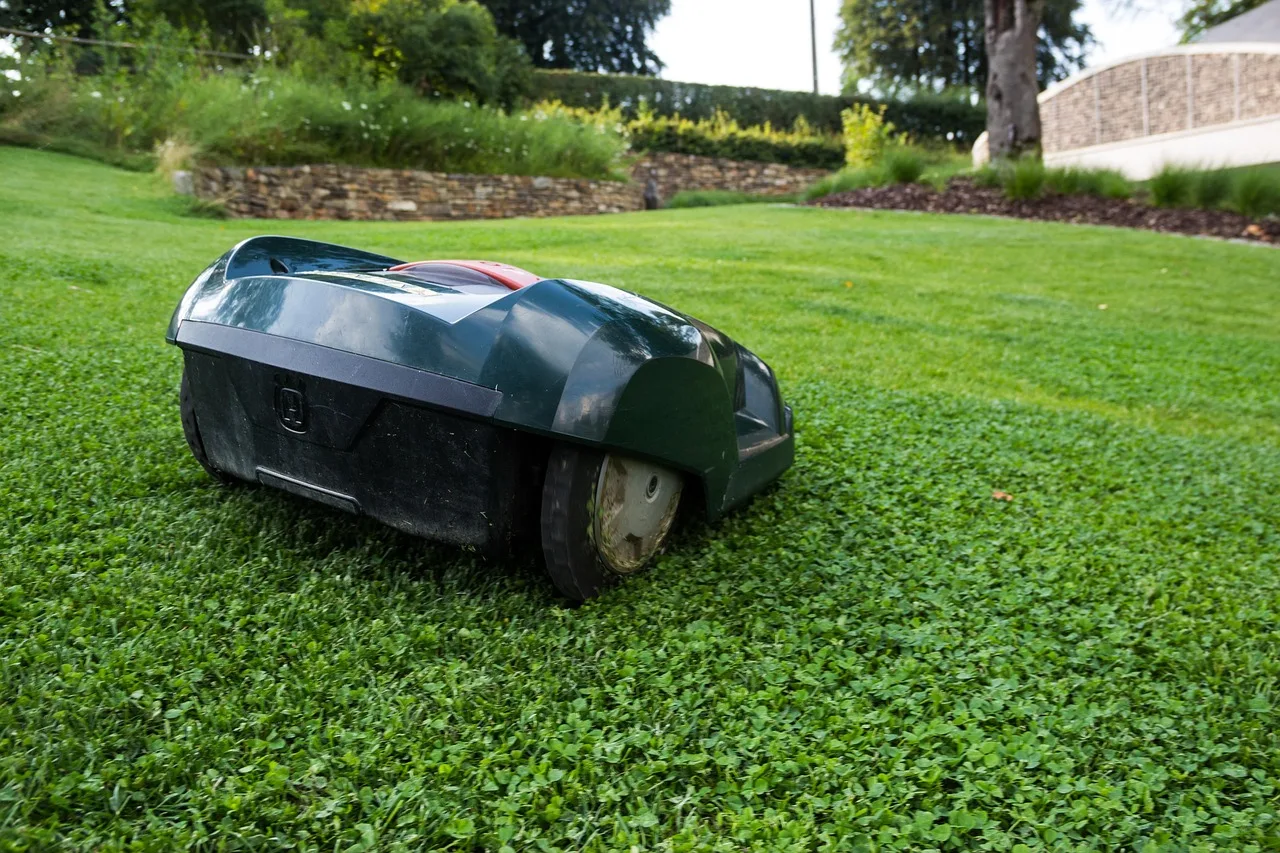
You can also dig into the technology inside robotic mowers for the wider science.
The Verdict on Which Is Smarter
If smart means precise mapping and slick navigation, the robot vacuum wins, helped enormously by working in a small, stable, indoor space. If smart means operating autonomously in a harsh, changing environment for months with minimal help, the robot mower is the more impressive machine. Neither is dumb; they are optimized for opposite problems. For most buyers the practical takeaway is simpler: judge each on how well it does its own job, not against the other. The vacuum keeps your floors tidy, the mower keeps your lawn cut, and both do it while you get on with your day.
What to do next
Line them up and the robot mower vs robot vacuum question stops being a contest and becomes a study in trade-offs. The vacuum earns its polish in a gentle indoor world; the mower earns its grit surviving months of weather and terrain outdoors. Rather than asking which is cleverer, ask which chore you want handed off, then judge that machine on its own merits. For many homes the real answer is both, quietly working their opposite corners of your property while you spend your weekend on something far better than pushing a mower or a vacuum.
We break down the next step in How Robot Mower Rain Sensors Work.