The word GPS gets thrown around a lot with robot mowers, and it actually covers two very different jobs. One is navigation, helping the mower find its way. The other is tracking, telling you where the machine is if it wanders off or gets stolen. People mix these up constantly. A friend once assumed his tracking feature meant the mower steered by satellite, when in fact it navigated by wire and only used GPS to phone home its location. Let me untangle how the tracking side really works, in words that do not need an engineering degree to follow.
The Basics of Satellite Positioning
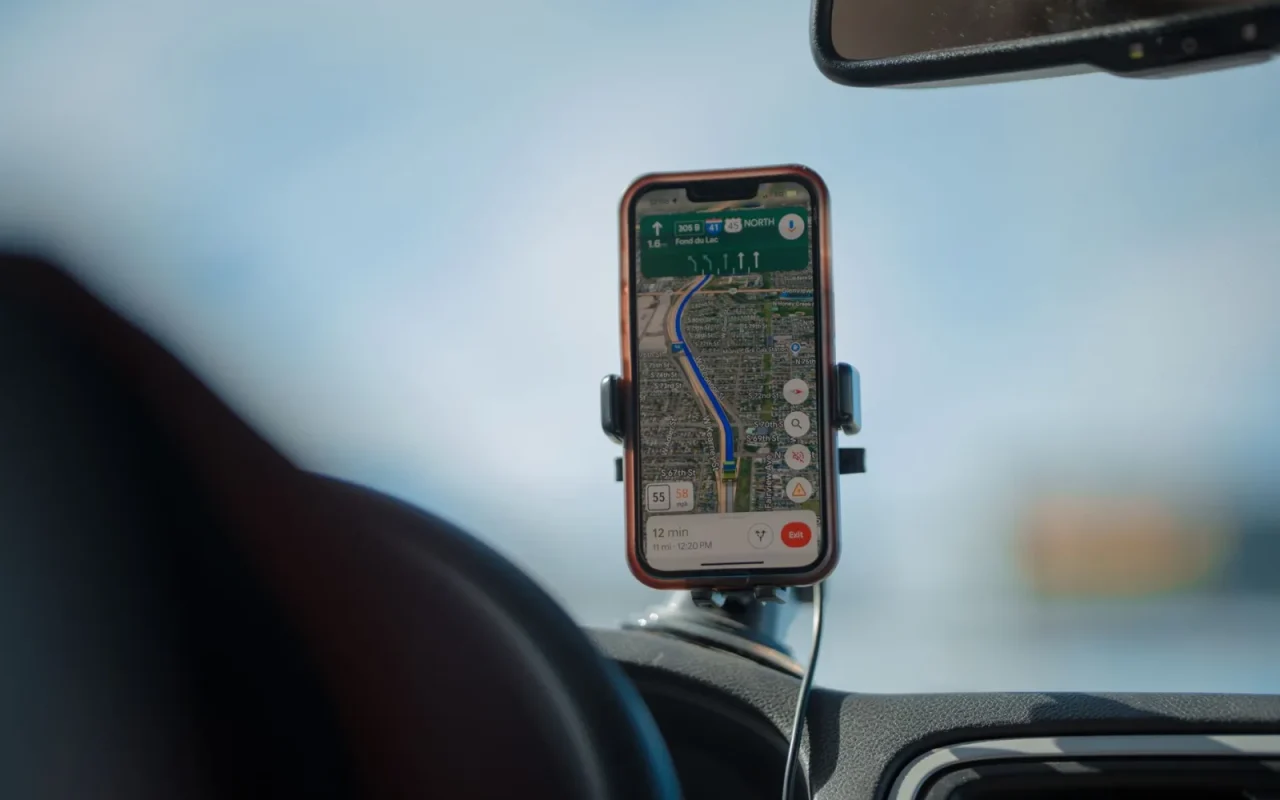
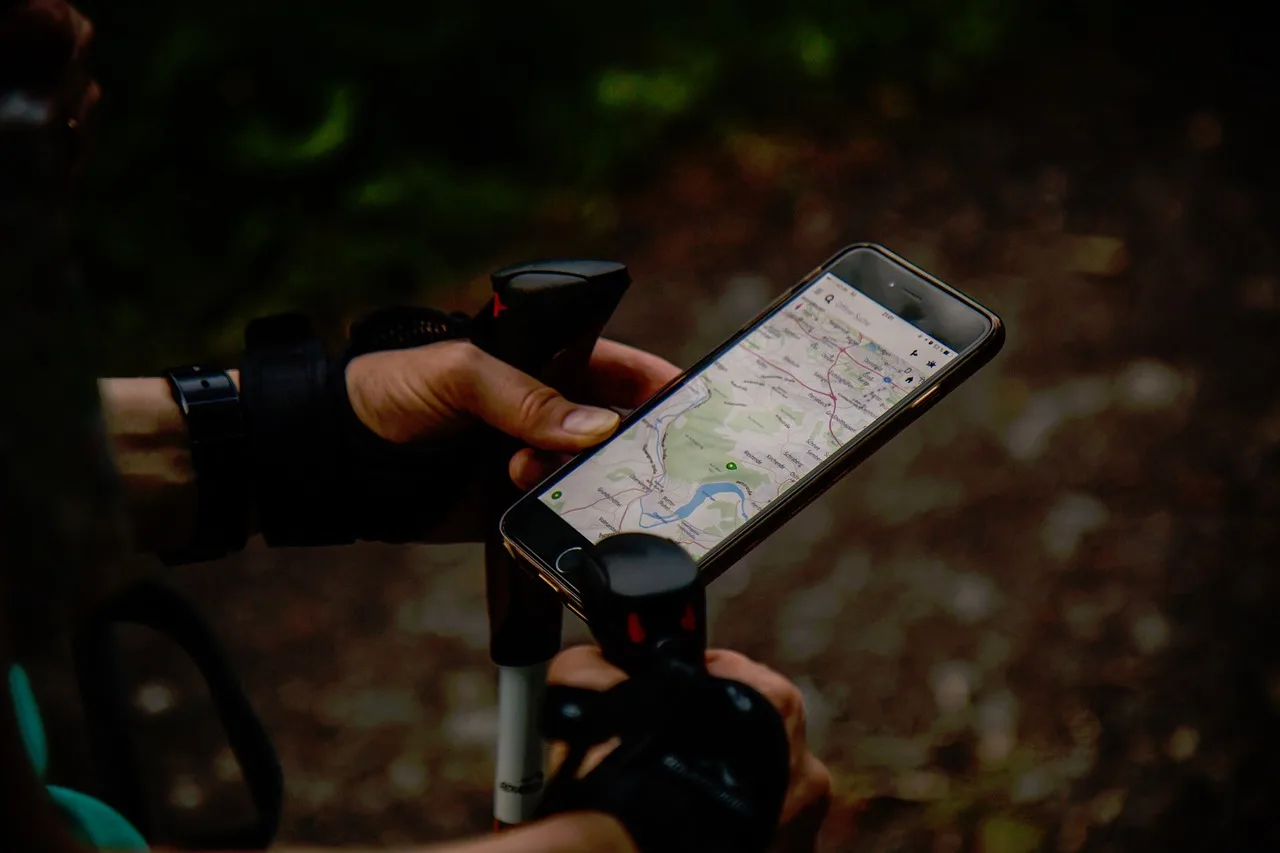
GPS works by listening to a network of satellites orbiting far overhead. A small receiver in the mower measures the timing of signals from several satellites at once and calculates its own position from those differences. Under an open sky, a plain receiver lands within a few meters of the truth. That accuracy is loose for precise mowing but plenty good for tracking, since you only need to know roughly which yard or street the machine sits in. Tree cover, walls, and heavy cloud can weaken the signal, which is worth remembering for shaded properties.
For the bigger picture, our main guide Robot Mower Smart Features Worth Paying For sets the scene.
Tracking Versus Navigation GPS
Here is the split that confuses everyone. Some mowers use GPS to navigate, often the high-precision RTK type with a reference antenna that tightens accuracy to a few centimeters. That is a mapping tool. Tracking GPS is separate and far simpler: it just records where the mower is and reports that location to you. A boundary-wire mower can carry tracking GPS while navigating entirely by wire. So a model advertising GPS tracking is not necessarily wire-free, and knowing which kind of GPS a listing means saves a lot of confusion at purchase time.
How the Mower Sends Its Location
Knowing its position is only half the story; the mower has to tell you. Some models use your home WiFi to push location data while the machine is in range, which is fine for a yard but useless once a thief drives off. Premium anti-theft systems add a small cellular connection, the same kind a phone uses, so the mower can report its location from anywhere. That cellular link sometimes carries a modest monthly fee. Without a way to transmit off-property, tracking only tells you the machine is somewhere it can still reach your network.
Geofencing and Movement Alerts
Geofencing draws an invisible boundary around your property in the app. If the mower crosses that line without a valid PIN entry, the system flags it and sends an alert to your phone. Pair that with a lift alarm and the mower becomes a noisy, self-reporting target rather than an easy grab. The alerts arrive fast, often within seconds of the trigger, which gives you a chance to act. Geofencing does not physically stop a thief, but it turns a silent theft into a loud, traceable one that few opportunists want.
How the Tracking Chain Fits Together
- Satellites broadcast timing signals across the sky
- The mower's receiver calculates its own position
- Open sky gives accuracy within a few meters
- Tree cover and walls can weaken the fix
- Tracking GPS differs from navigation or RTK GPS
- WiFi reporting works only within home network range
- Cellular links report location from anywhere
- Geofencing flags the mower leaving its zone
- Alerts reach your phone within seconds
- A lift alarm adds a loud audible deterrent
- A PIN lock stops a thief from simply using it
- A drained battery ends all transmission
We break down the next step in Robot Mower vs Robot Vacuum: How Smart Are They?.
Accuracy, Gaps, and Realistic Limits
Tracking is helpful, not foolproof. Indoors, in a metal shed, or in a moving vehicle, satellite signals fade and the last known position may be all you get. Cellular reporting needs coverage, so a mower carried into a dead zone goes quiet. Battery matters too, since a fully drained mower stops transmitting. None of this makes tracking pointless; a recoverable location plus a loud alarm deters most theft. Just treat it as one layer of protection alongside a PIN lock and sensible placement, rather than a guarantee you will always recover the machine.
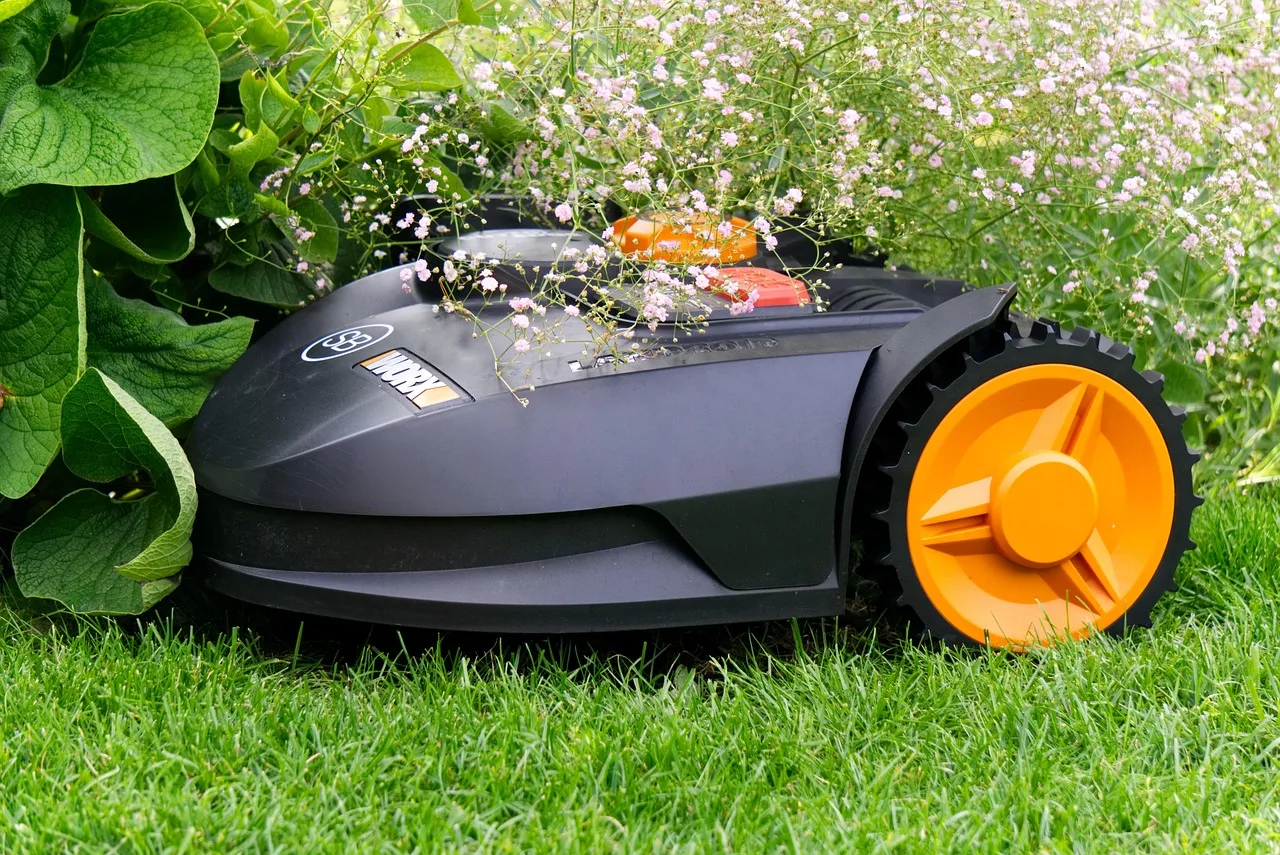
For broader background, the technology inside robotic mowers is a solid reference.
Setting Up Tracking the Right Way
Getting tracking working is usually a setup-time task in the app. Enable the location and anti-theft features, set your PIN, and define the geofence around your actual lawn rather than a loose area that lets the mower drift before alerting. If the model uses cellular, confirm the plan is active and check coverage at your address. Test the lift alarm once so you know how it sounds. A few minutes of proper setup turns a dormant feature into real security, and skipping it leaves you with a tracker that never actually tracks.
Battery Drain and Cellular Data Costs
Tracking is not free in energy terms, and that catches people off guard. A GPS module that reports position over a cellular link draws power even when the mower is parked, so models with always-on tracking may sip a little battery overnight or keep a small backup cell charged. In practice the drain is modest, often a few percent a day, but it matters if you store the mower unplugged over winter and expect the tracker to still work in March. The cellular side usually rides on a small SIM built into the machine, and many brands include a year or two of data before asking for a small annual fee, often in the ten to thirty dollar range. Read the fine print before you buy. A tracker that quietly stops reporting once a free trial ends is worse than no tracker at all.
Where this leaves you
GPS tracking is one of the more genuinely reassuring features on a robot mower, provided you understand what it does and does not promise. It listens to satellites, works out where the machine is, and reports that back to you, ideally over a cellular link that keeps working off your property. It will not stop a determined thief on its own, but paired with a loud alarm and a PIN it turns your mower into a poor target. Set it up carefully at purchase, confirm how it reports, and you gain a quiet layer of protection that mostly earns its keep by never being needed.
Our companion piece, Robot Mower Safety Features for Kids and Pets, picks up where this leaves off.