
Robot mowers attract tall tales the way a porch light attracts moths. Somewhere between the ad copy and the forum threads, people end up believing the machine sees like a human, plans like a chess computer, and needs no attention at all. Some of that is half true. Most of it is not. I have watched enough of these mowers bump the same tree for a week to know where the intelligence really sits and where it just looks clever. Here are the myths I hear most, each followed by what actually happens out on the lawn.
Myth: The Mower Sees Your Whole Yard Like a Map
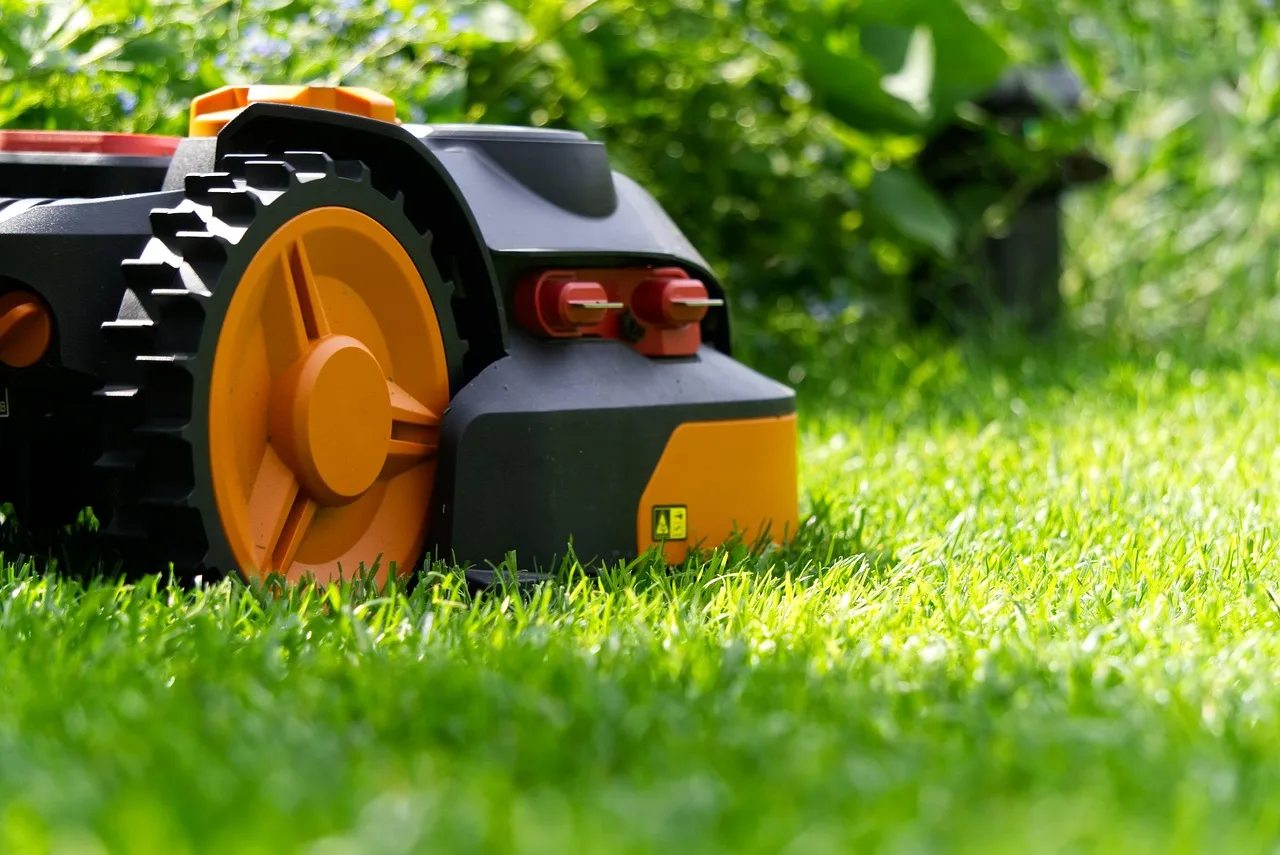
Reality: most robot mowers do not build a rich visual picture of your lawn. Many wire-guided models simply roam in semi-random patterns inside the boundary, relying on bump sensors rather than a stored map. Even GPS and camera models hold a far simpler model of the world than people imagine. RTK units know their coordinates precisely, but that is position, not vision. A camera model recognizes obstacles in front of it, yet it is not memorizing your garden like a self-driving car. Understanding this keeps your expectations grounded: the mower knows roughly where it is, not what your yard looks like.
For the bigger picture, our main guide Robot Mower Smart Features Worth Paying For sets the scene.
Myth: Obstacle Avoidance Means It Never Hits Anything
Reality: obstacle avoidance ranges from crude to good, and none of it is perfect. Basic models find objects only by bumping them and reversing, which is fine for a tree trunk and bad for a garden gnome. Camera and radar-equipped models steer around larger obstacles before contact, but they miss thin, low, or dark items: hoses, phone chargers left in the grass, sleeping pets in shade, small toys. Treat avoidance as a helpful reduction in collisions, not a force field. A quick sweep of the lawn before a mow still prevents the mangled dog toy that no sensor was going to catch.
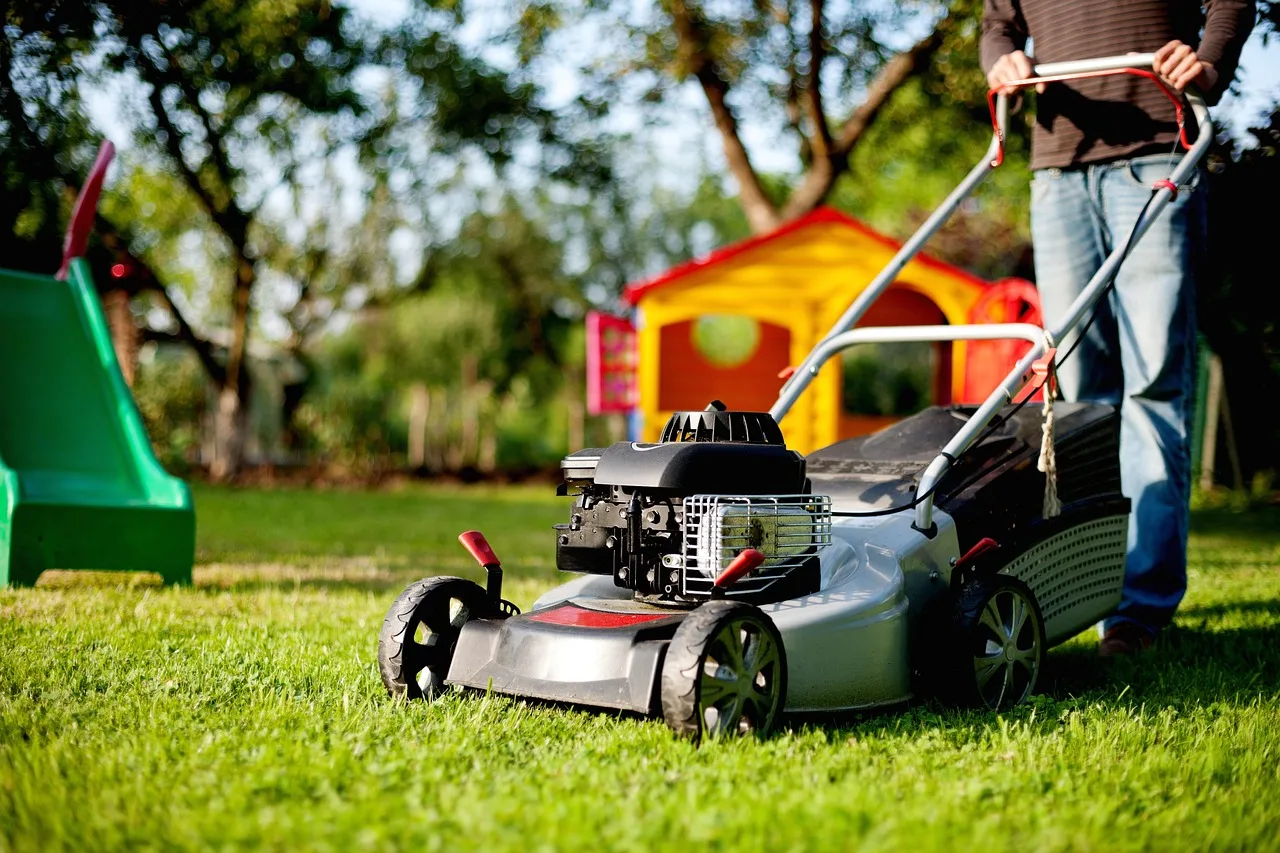
Myth: Smart Features Make the Mower Fully Hands-Off
Reality: the app does not mow the lawn or clean the blades. Scheduling, notifications, and GPS tracking cut down the daily fuss, but the machine still needs real maintenance. Blades wear out every 6 to 8 weeks in season. The underside cakes with clippings. Wheels clog, contacts corrode, and firmware occasionally misbehaves. The smart layer tells you when something is wrong; it does not fix it. Owners who expect a truly zero-effort appliance end up disappointed. The honest promise is less work, not no work, and the phone alerts are there precisely because your hands are still part of the system.
Myth: More Sensors Always Means Better Mowing
Reality: sensor count is a weak proxy for performance. A model can list cameras, radar, ultrasonic sensors, and GPS and still cut unevenly if the software tying them together is mediocre. Conversely, a simpler wire model with well-tuned firmware can produce a lawn that looks flawless. What matters is how the mower uses its inputs, how it plans coverage, and how reliably it docks and recharges. Spec sheets love to count sensors because numbers sell. Judge a mower by real-world reviews of cut quality and reliability, not by how long the feature bullet list runs on the box.
Hype Versus Reality Cheat Sheet
- Myth: it maps your yard visually. Reality: most know position, not scenery
- Myth: it never hits anything. Reality: thin and low objects still get missed
- Myth: fully hands-off. Reality: blades, cleaning, and upkeep are still yours
- Myth: more sensors win. Reality: software quality matters far more
- Myth: GPS makes theft impossible. Reality: it aids recovery, not immunity
- Myth: voice control adds power. Reality: it only adds convenience
- Myth: apps guarantee a perfect cut. Reality: setup and terrain decide that
- Myth: it learns your lawn over time. Reality: most follow fixed rules
- Myth: rain sensors keep it perfectly dry. Reality: they pause, not shelter
- Myth: premium price equals smarter brain. Reality: check real reviews
- Myth: firmware fixes any hardware limit. Reality: it cannot add sky view
- Myth: it needs no supervision at all. Reality: a weekly glance pays off
You will find more on this in Robot Mower vs Robot Vacuum: How Smart Are They?.
Myth: GPS Tracking Makes Theft Impossible
Reality: GPS tracking, PIN locks, and alarms deter theft and help recovery, but they do not make a mower untouchable. A determined thief can still grab the machine; the tracking simply improves your odds of getting it back and getting a police report to stick. Some units rely on WiFi and lose their live position once carried out of range, though cellular models keep reporting. Anti-theft features are worth having and genuinely useful. Just do not treat them as a reason to leave a $2,000 mower parked in an open front yard overnight in a high-traffic area.
If you like to read around a topic, see the RTK positioning technology behind wire-free mowers.
Myth: Voice Control and Smart Home Add Real Capability
Reality: voice and smart home links are convenience, not capability. Telling a speaker to start the mower saves you opening the app, which is nice on a busy morning. It does not make the mower cut better, navigate smarter, or handle a tricky slope. Integration support also varies, and features can lag behind the core app. These are pleasant extras that suit people already living in a connected home. If a listing leans hard on voice control as a headline selling point, look past it to the fundamentals: navigation, cut quality, run time, and how well it holds its boundaries.
The short version
Robot mowers are genuinely clever, just not in the sci-fi way the marketing implies. They know roughly where they are, they dodge the big obstacles, and they ping your phone when something goes sideways. What they do not do is see your yard like a person, avoid every hazard, or run forever without a blade change. Once you swap the myths for the plain mechanics, buying gets easier and living with one gets calmer. Expect a helpful, imperfect machine that trades most of your mowing time for a weekly glance and the occasional wipe-down, and you will be a happy owner.
This connects neatly with Voice Control and Robot Mowers: Does It Work?.