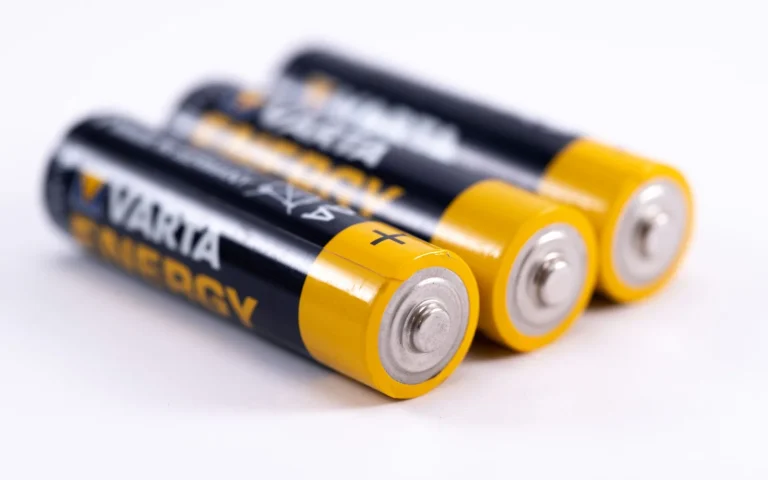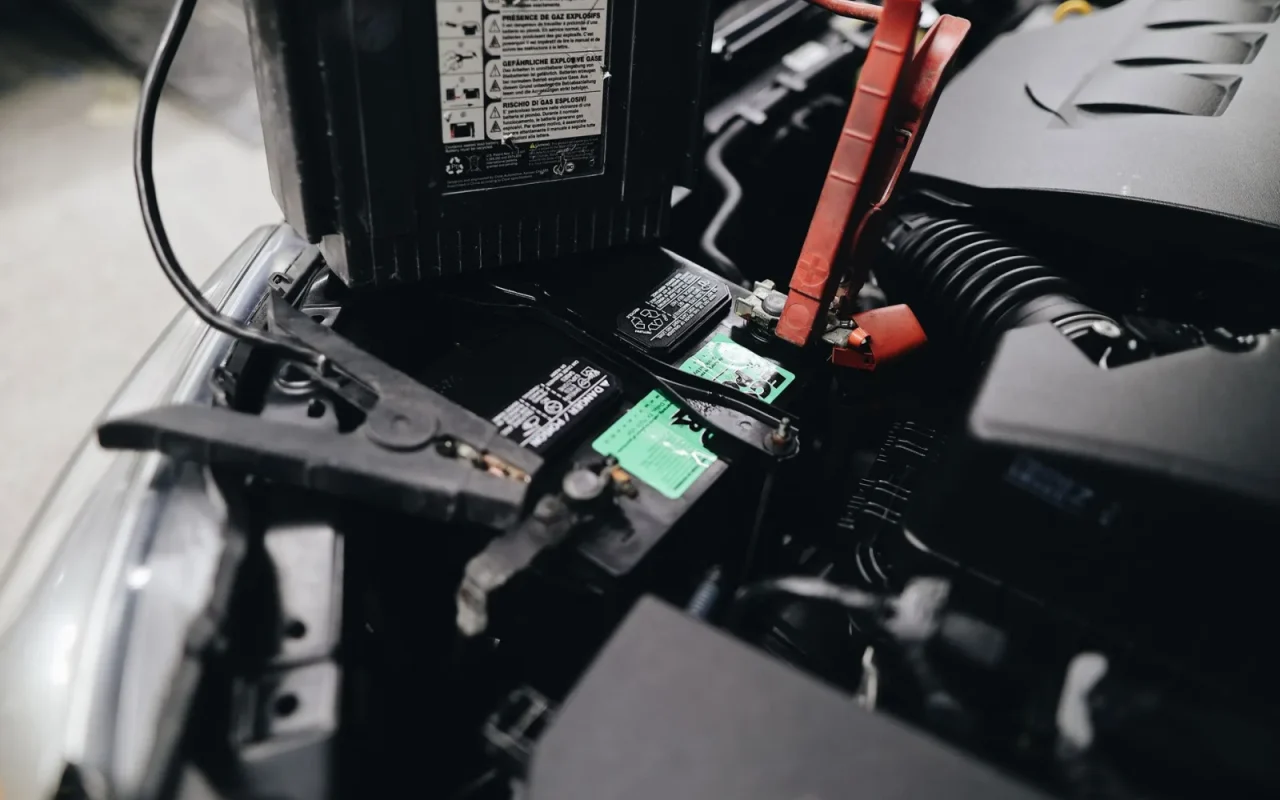
A robot mower battery is the most expensive part you will ever replace, and it is also the part most owners quietly kill through simple neglect. Mine is on its fourth season and still holds a strong charge, not because I bought anything special, but because of a handful of small habits. Lithium-ion cells hate heat, hate sitting empty, and hate being pushed to zero over and over. Respect those three things and a pack that a careless owner burns through in two years will keep going for five. Here is the practical playbook, no jargon, just what actually moves the needle on battery lifespan.
How Robot Mower Batteries Actually Age
The pack in your mower is lithium-ion, the same chemistry as a phone or a power tool, and it ages two ways. Every full charge and discharge is one cycle, and the cells slowly lose capacity over hundreds of them. But cycles are only half the story. Heat, deep discharges, and long spells sitting fully drained all speed the decline far faster than normal mowing does. Most packs are rated for a few hundred to over a thousand cycles before they drop to around 80 percent capacity. Treat the battery gently and you glide toward the high end of that range instead of the low end.
For the bigger picture, our main guide Robot Mower Maintenance: The Complete Guide sets the scene.
Let the Mower Manage Its Own Charging
The best charging habit is to leave the mower on its schedule and let it return to the base whenever it likes. These machines are designed to top up in short, frequent sessions rather than draining flat and charging to full, and that gentle pattern is easy on lithium cells. Resist the urge to unplug the base to save a few cents of power, since a mower left empty for weeks stresses the pack. If your app offers a battery-saver or eco mode that avoids constant 100 percent charging, use it. The onboard charge controller already protects the cells, so trust it and stop babysitting.
Keep the Battery Cool in Summer
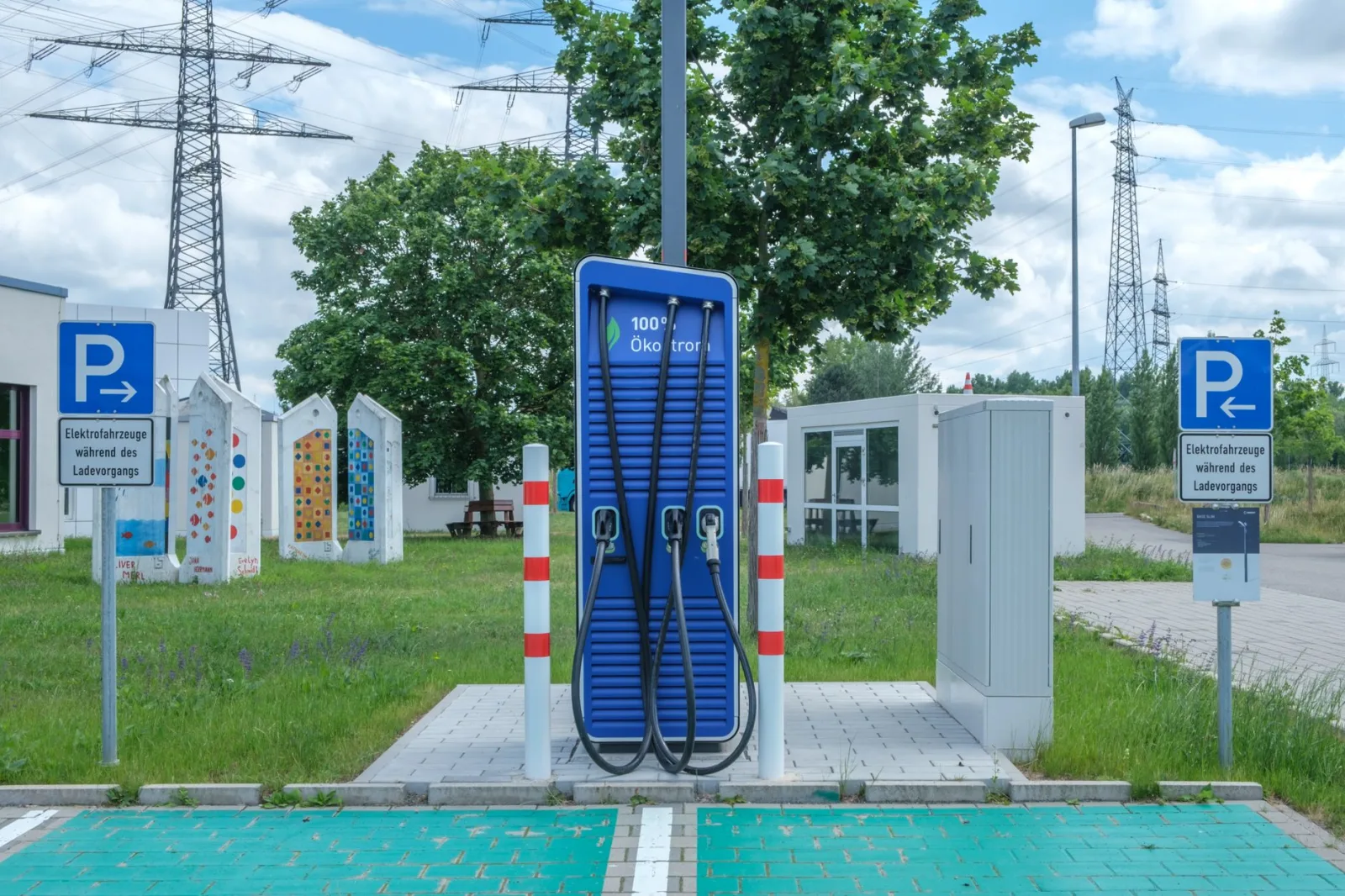
Heat is the quiet killer. A pack that regularly runs and charges in high heat ages noticeably faster than one kept cool. Place the charging base in shade rather than full afternoon sun, since a black plastic mower sitting on a hot dock can reach temperatures that cook the cells over time. In a heat wave, shift mowing to early morning or evening when the grass and the air are cooler, which is also better for the lawn. If the mower feels hot to the touch after a run, give it time to cool before it charges rather than docking it straight into a fresh cycle.
Avoid Deep Discharges and Long Empty Spells
Running a lithium pack down to zero and leaving it there is one of the worst things you can do. The onboard electronics usually stop the mower before true empty, but repeatedly hitting that low point still wears the cells. Just as harmful is storing the mower fully drained over winter, which can push a pack into a state it never recovers from. The sweet spot for any long idle period is a partial charge, commonly around 40 to 70 percent. Aim for that before the mower sits for more than a couple of weeks, and top it up occasionally if the storage stretch runs long.
Battery-Friendly Habits at a Glance
- Leave the mower on its schedule and let it self-charge
- Keep the charging base out of direct afternoon sun
- Mow early or late during heat waves to cut thermal stress
- Let a hot mower cool before it starts a fresh charge
- Never store the pack fully drained for long periods
- Aim for a 40-70 percent charge before long idle spells
- Store indoors above freezing over winter, around half charge
- Check and top up the pack every couple of months in storage
- Keep the deck clean so the motor draws less current
- Clean the charging contacts so top-ups stay reliable
- Use any battery-saver or eco mode your app offers
- Replace only with a matched pack when run time truly halves
Many readers move on to Robot Mower Battery Care and Longevity next.
Store It Right Over Winter
How you store the mower over the off-season shapes how strong the battery is next spring. Charge it to a middling level, roughly half, then power it down and bring it indoors to a cool, dry spot like a garage or basement that stays above freezing. Do not leave it outdoors on the base through hard frosts, since cold plus a poorly charged pack is a recipe for permanent capacity loss. Every couple of months, wake it and check the level, topping back to around half if it has drifted low. That single winter routine adds real years to a pack that would otherwise sulk in the cold.
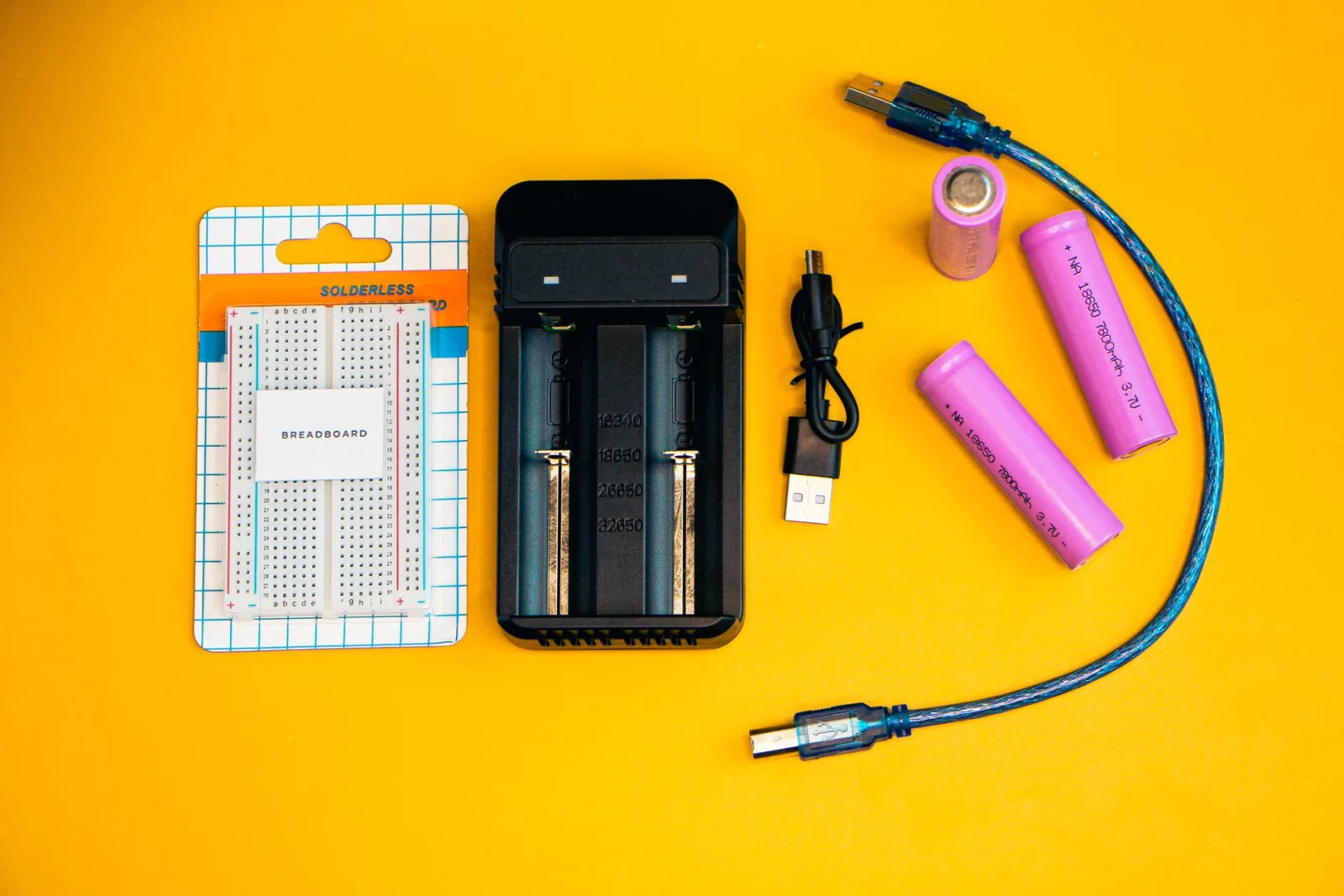
It is worth skimming general lawn mower mechanics for extra context.
Know When the Battery Is Genuinely Done
Even a well-treated pack fades eventually, and it is worth recognizing real wear versus a fixable fault. If run time has dropped to roughly half of what it once was, the mower cannot finish its usual area, or it returns to base far sooner than it used to, the cells are likely near end of life. Most last three to five years with decent care, sometimes longer. Before you spend on a replacement, rule out dirty charging contacts, a corroded base, or a clogged deck adding drag, since those mimic battery decline. When it is truly the pack, use a matched replacement and follow the manual.
Bringing it together
Battery life is not luck, it is a set of small choices you make without thinking once they become habit. Let the mower charge itself, keep it out of the heat, never let the pack sit empty, and give it a sensible half charge before the winter layoff. None of it costs money, and all of it adds years. Treat the most expensive part of your mower with a little respect and you may never buy a replacement pack at all, which is the quiet payoff of getting these basics right from the start.
We break down the next step in Spring Startup: Waking a Robot Mower After Winter.