People ask me this before they buy, usually while wincing at the price tag, and they want a single number. I get it. Dropping a thousand dollars or more on a machine that lives outdoors deserves a straight answer. So here it is: a well-maintained robot mower typically lasts around 8 to 10 years, with the body often outliving the battery that powers it. But that range hides a lot. Two identical mowers can be five years apart in usable life depending on how they are treated. Let me walk you through what wears out, what you can replace, and how to land at the long end of the range.
The Short Answer and the Range
For most quality robot mowers, plan on 8 to 10 years of service with reasonable care. Some budget units built to a lower price point tap out around 5 years, while premium machines from established brands can push past a decade. The plastic shell, drive motors, and wheels tend to be the long-lived parts, often still going strong when other components have been swapped. What ends a mower's life is rarely one dramatic failure. It is the accumulation of a tired battery, worn drive parts, and eventually a control board or motor that costs more to fix than the machine is worth. That tipping point usually arrives around year eight to ten.
New to this? Start with our overview, Robot Mower Maintenance: The Complete Guide, then come back here.
The Battery Is Usually the First to Go
The lithium-ion battery is the clock ticking inside every robot mower. These packs are typically good for around 3 to 5 years, or a few hundred to a thousand charge cycles, before capacity drops enough that run time noticeably shrinks. The good news is that on most models the battery is a replaceable part, not a death sentence for the whole mower. A new pack runs roughly $80 to $250 depending on the model. Swapping it once during the mower's life is normal and expected. How you charge and store the battery, especially over winter, has a huge effect on whether it reaches three years or five.
Which Parts Wear and Which Endure
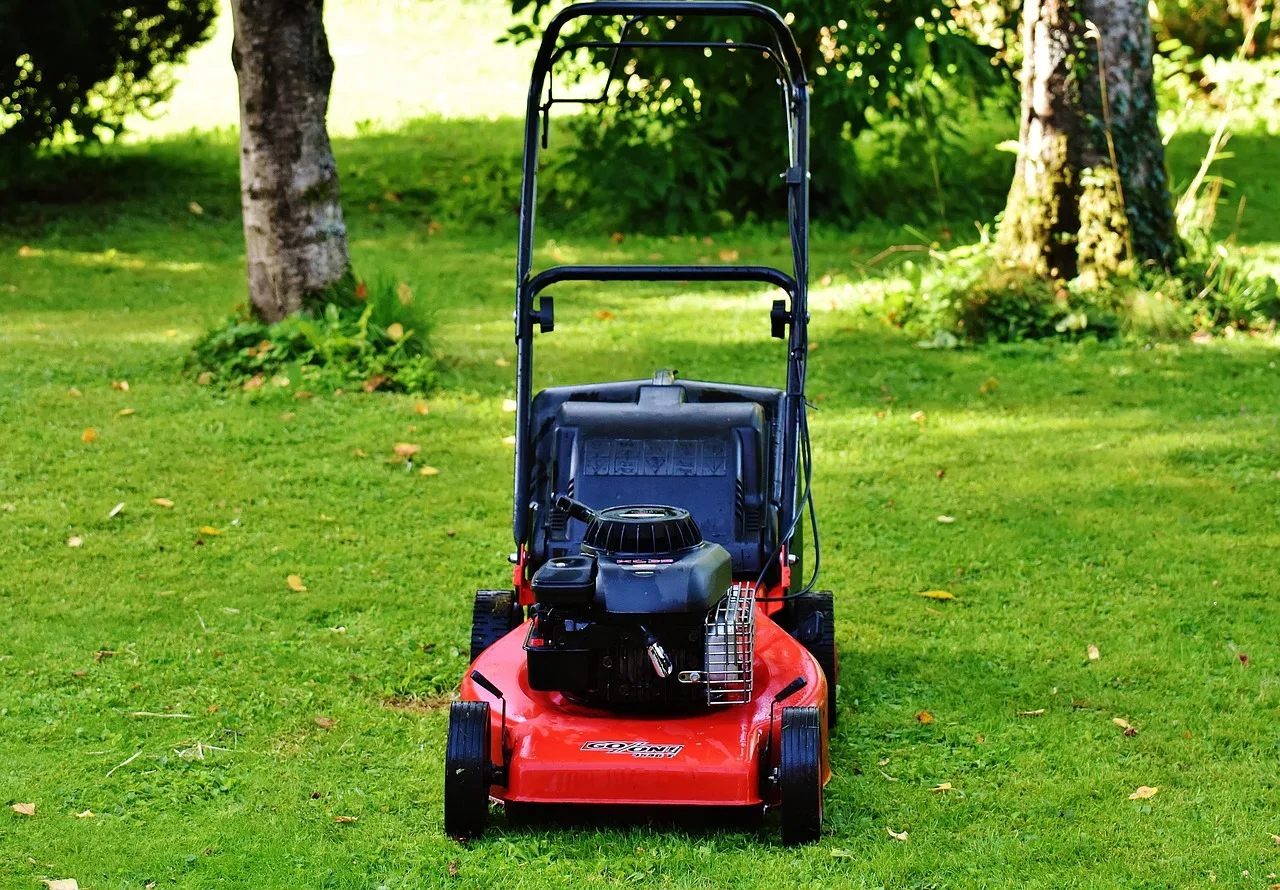
Think of a robot mower as a mix of consumables, replaceables, and long-haul components. Blades are pure consumables, swapped every 6 to 8 weeks in season for a few dollars. Wheels, drive belts, and the battery are replaceables, lasting years but expected to be renewed once or twice. The chassis, cutting motor, and mainboard are the endurance parts you hope never fail, and usually they do not until late in the mower's life. When one of those big parts finally goes and the repair quote approaches half the price of a new mower, that is the practical end of the road for most owners.
What Shortens a Mower's Life
Several habits quietly steal years. Pressure washing forces water into the electronics and corrodes them from within. Storing the mower wet or leaving the battery cold and drained all winter cripples the pack. Running dull blades strains the motor. Ignoring firmware leaves navigation bugs unaddressed. Heavy use on rough, rooty, or steep terrain wears wheels and motors faster than a flat suburban lawn. And simple neglect of the contacts, sensors, and wheels lets small faults compound into big ones. None of these kill a mower overnight, but stacked together they can turn a ten-year machine into a five-year one without a single obvious mistake.
Lifespan by Part and Component
- Blades: replace every 6 to 8 weeks in mowing season
- Battery: around 3 to 5 years, then a $80 to $250 swap
- Wheels and belts: several years, replaced once or twice
- Charging contacts: last for years if kept clean
- Cutting motor: often the full life of the mower
- Drive motors: long-lived with clean wheels and light terrain
- Mainboard: usually endures until late in the mower's life
- Plastic chassis: typically outlasts the electronics inside
- Whole machine, budget model: roughly 5 years
- Whole machine, quality model: 8 to 10 years or more
- Sensors: long-lived if wiped and never pressure washed
- Firmware support: varies by brand, often several years
We break down the next step in How to Clean a Robot Mower the Right Way.
How to Reach the Long End of the Range
Stretching a mower to a decade is not about luck, it is about small routines. Swap blades on schedule so the motor never strains. Clean the underside, wheels, and sensors with a brush, never a pressure washer. Wipe the charging contacts to keep the battery healthy. Store the mower indoors over winter with the battery at 60 to 80 percent, kept cool but above freezing. Keep the firmware current. Follow the manual for your specific model rather than guessing. Owners who do these boring things routinely get the full 8 to 10 years and often more, while the mower quietly does its job the whole time.
If you like to read around a topic, see general lawn mower mechanics.
When to Repair Versus Replace
At some point the math shifts. A new battery at year four is an easy yes, since it is a fraction of the mower's value and buys years more life. A worn wheel or belt is worth fixing. But when the cutting motor or mainboard fails on an eight-year-old machine and the quote lands near half the cost of a new model, replacement usually wins, especially since newer mowers navigate better and update longer. A useful rule: if a single repair costs more than 50 percent of a comparable new mower and the machine is past year seven, put the money toward a replacement instead.
A final word
So how long will yours last? Expect 8 to 10 years from a quality machine, less from a bargain model, and understand that the battery is the part most likely to need renewing along the way. That is not a flaw, it is just how these machines age, and a single replacement pack keeps a good mower going for years more. Where you land in the range is mostly in your hands. Clean it gently, store it right, swap blades on time, and keep the firmware current. Do the boring maintenance and your mower repays you with a decade of quiet, hands-off lawns. Treat it well and it lasts.
Many readers move on to Robot Mower Blade Types Explained next.