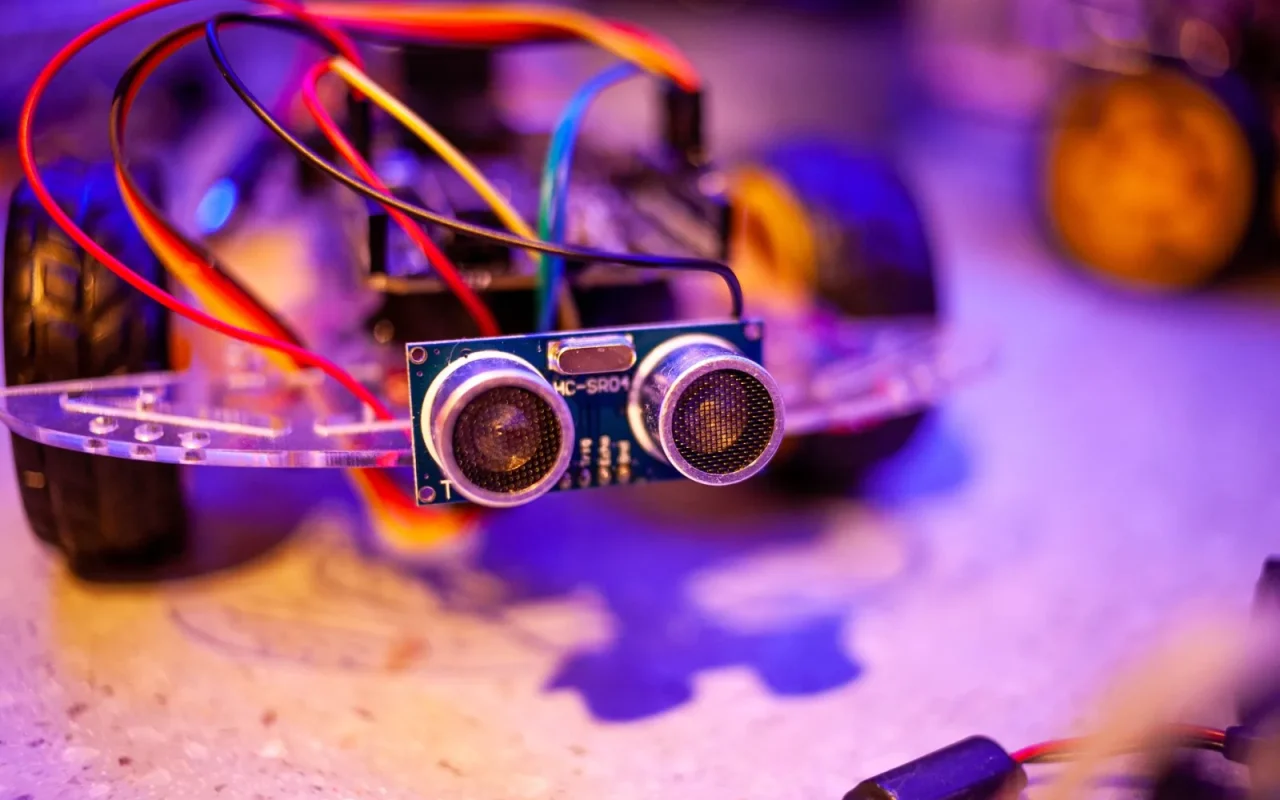
Picture a mower that looks at your lawn the way you do, spotting the flower bed, the dog toy, and the edge of the patio, then steering around them. That is the promise of camera-based navigation, and it is one of the newer ideas in this corner of the yard. Instead of following a wire or leaning entirely on satellites, these machines use one or more cameras and some clever software to make sense of what is in front of them. If the term sounds like science fiction, it is worth unpacking in plain words, because the reality is both cleverer and more limited than the marketing suggests.
What Camera Navigation Means
Camera navigation, sometimes called vision-based navigation, means the mower uses onboard cameras as its main way of understanding the world. A processor turns the video into a rough map of what counts as grass, what is an obstacle, and where the boundaries lie. This differs from boundary-wire models, which blindly follow a pegged perimeter wire, and from pure GPS models, which trust satellite coordinates. Many camera mowers actually blend approaches, pairing vision with GPS or other sensors so one can cover for the other. The camera is what lets the machine react to things that are not on any map, like a ball that rolled onto the lawn an hour ago.
For the bigger picture, our main guide Robot Mower Smart Features Worth Paying For sets the scene.
How the Mower Sees the Lawn
The camera feeds a stream of images to a small onboard computer trained to recognize patterns. Green textured ground reads as grass and is safe to cut. A smooth gray slab reads as a path to avoid. A tall vertical shape reads as an obstacle to steer around. Some systems build a lasting map of the yard over the first few runs, so the mower remembers where the beds and trees are and plans tidier routes over time. Think of it as the machine slowly learning the shape of your lawn rather than memorizing a single fixed track. The more it runs, the more confident its choices tend to become.
Spotting and Avoiding Obstacles
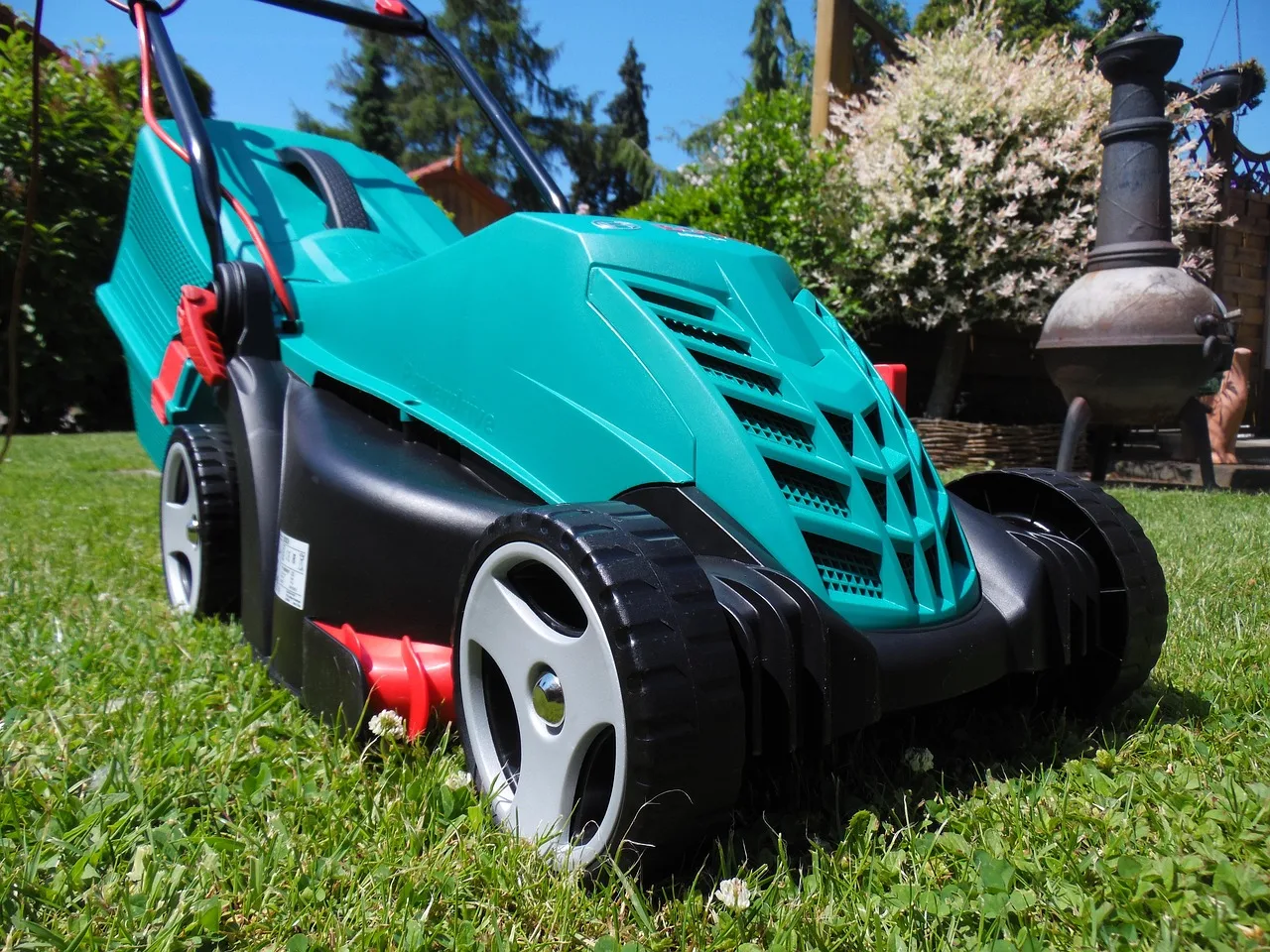
The headline benefit is obstacle handling. A wire-following mower only knows the perimeter and bumps into whatever sits inside it, reversing on contact. A camera mower can often see a hose, a sleeping cat, or a fallen branch and curve around it without touching. That means fewer collisions, less stress on the shell, and a lower chance of chopping something you would rather keep. It is not flawless. Thin objects, dark conditions, and low garden lights can still fool the cameras, which is why most models keep bump and lift sensors as a backup layer that stops the blades instantly if something is missed.
Where Cameras Struggle
Cameras have the same weakness your eyes do: they need decent light and a clear view. Deep dusk, heavy shade under trees, and glare from low morning sun can all degrade what the system sees, which is why some models pause or slow down in poor conditions. Mud, dew, and grass clippings smeared across a lens will blind it until you wipe them off, so lens cleaning becomes a small new chore. Very uniform lawns with few landmarks can also leave the mower short of reference points. None of this makes cameras useless, but it does mean they perform best in reasonable daylight on a lawn with some visual variety.
Key Facts About Camera-Based Mowers
- They use onboard cameras as the main way to understand the lawn
- Software classifies grass, paths, and obstacles from the video
- Many build a lasting map of the yard over the first few runs
- They can steer around objects that no fixed map contains
- Bump and lift sensors stay on as an instant safety backup
- Performance drops in deep shade, dusk, and low glare
- Dirty lenses blind the system until wiped clean
- Most models pair the camera with GPS for reliability
- They usually sit in the premium price tier
- They remove the need to install a boundary wire
- They suit cluttered yards with kids and pets especially well
You will find more on this in Robot Mower Anti-Theft Features Explained.
Camera, Wire, and GPS Compared
Each navigation style trades one strength for another. Boundary wire is cheap, proven, and unbothered by tree cover, but installing and repairing the wire is a real chore. RTK GPS is tidy and precise, yet it needs a fairly open sky and stumbles under dense canopy. Camera vision reacts to obstacles no map knows about and skips the buried wire, but it leans on good light and clean lenses. Many recent premium mowers combine camera vision with GPS so the two cover each other's blind spots. For a shaded, cluttered yard, that blend can navigate more naturally than either method working alone.
For broader background, the technology inside robotic mowers is a solid reference.
Is a Camera Mower Right for You
Camera navigation shines in yards full of movable clutter, kids, and pets, where dodging surprises matters more than raw precision. It also appeals to anyone who dreads laying a boundary wire. The trade-offs are price, since vision systems sit in the premium tier, and a dependence on daylight and clean lenses. If your lawn is open, simple, and rarely holds stray objects, a good wire or GPS model may serve you just as well for less money. Read the manual and any independent reviews to see how a specific model handles shade and obstacles before you commit.
Before you head outside
Camera-based mowers bring the machine closer to seeing your yard the way you do, and that changes what it can handle. Loose toys, wandering pets, and a hose left across the grass become obstacles to glide around rather than bump. The catch is that a camera lives or dies by light and a clean lens, and that capability lands in the premium tier. For a cluttered family lawn, the flexibility can be genuinely worth it. For a plain open yard, a good wire or GPS model still does the job for less. Match the technology to the mess your lawn actually collects.
For a closer look, see Robot Mower Safety Features for Kids and Pets.