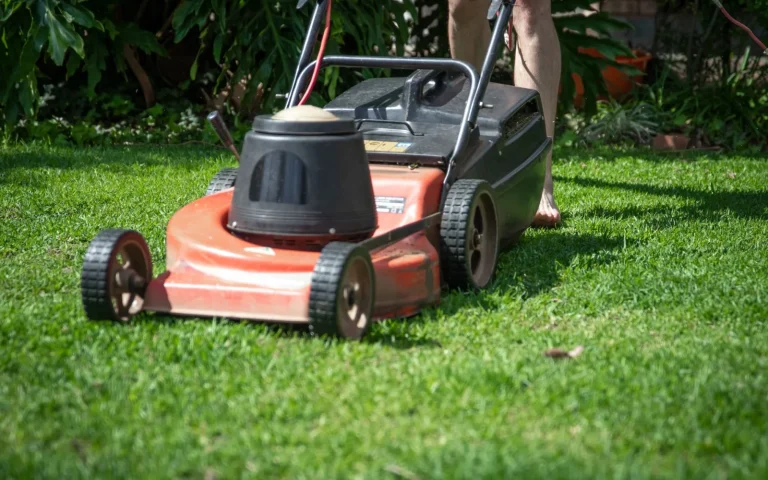
For years I paid a crew forty dollars to roll up, blow through my yard in twelve minutes, and vanish before I finished my coffee. It was easy, and I barely thought about it, until I added up a full season of those visits and winced. Around the same time a friend bought a robot mower and stopped writing checks entirely. That got me comparing the two paths honestly, not as a fan of either, but as someone who just wants a neat lawn without overpaying. The right choice hinges on your budget horizon, your lawn, and how much you like being hands off.
What You Are Really Buying With Each Option
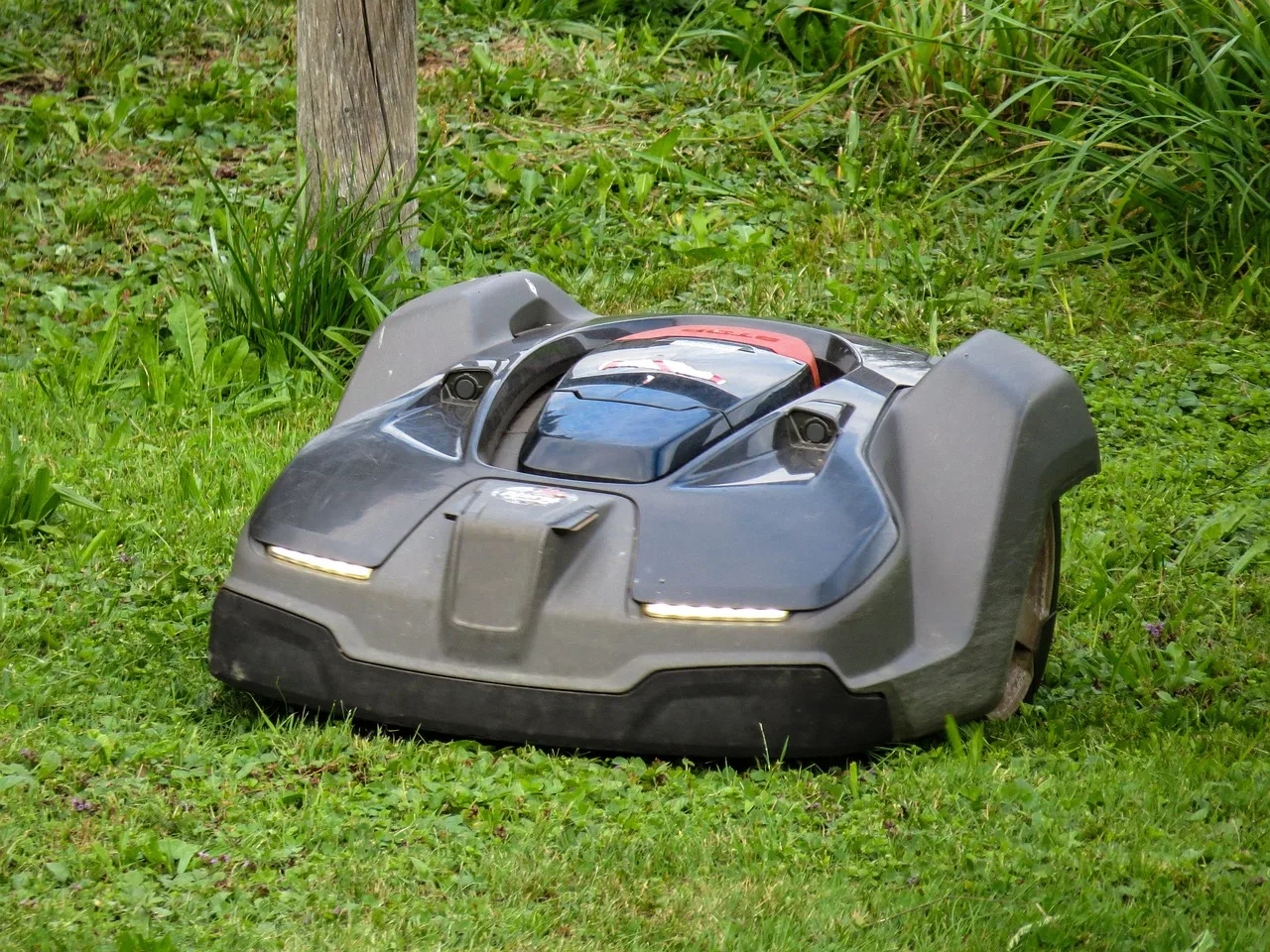
A lawn service sells you convenience and finished results without lifting a finger. A crew arrives on a schedule, cuts, edges, blows the clippings, and leaves a clean lawn plus often extras like trimming and cleanup. A robot mower sells you a one-time machine that quietly maintains the grass every day on its own. With the service you pay for labor forever; with the robot you pay once and cover small upkeep. One removes the equipment from your life; the other removes the recurring human visit. Deciding between them starts with which kind of ownership you actually want.
For the bigger picture, our main guide How to Choose a Robot Lawn Mower: A Beginner's Guide sets the scene.
The Money Over One Year and Five
A weekly mowing service often runs $30 to $60 a visit, which across a roughly 30-week season lands somewhere near $900 to $1,800 a year, every year. A robot mower costs $400 to $800 for small lawns, $800 to $1,800 for mid-range, and more for premium wire-free units, plus a little for blades and electricity. That means many robots pay for themselves within one to two seasons compared to a service. Over five years the gap widens sharply in the robot's favor, though a service covers more than just mowing for that price.
Quality, Consistency, and the Human Touch
A good crew gives you crisp stripes, clean edges, and a lawn that looks sharp the day they visit, then slowly shaggier until the next one. A robot keeps the grass at a steady height every day and mulches clippings back to feed the turf, so it never looks overgrown, but it will not stripe and edges still need a trimmer. Services also spot problems, a fungus patch, a sprinkler leak, that a robot happily ignores. If you value a trained human eye and a manicured finish on cut day, the service holds an edge the machine cannot match.
Effort, Reliability, and Who Fixes Problems
With a service, the effort is nearly zero and someone else owns the equipment and its breakdowns. If a mower dies, that is their problem, not yours. A robot shifts that responsibility to you: installation, occasional cleaning, blade swaps every 6 to 8 weeks, and troubleshooting a stuck unit or a broken boundary wire. Neither is hard, but they are real tasks. Services can also cancel, run late, or raise prices, and you are stuck around their calendar. The robot answers only to you and its schedule, which many people find freeing once it is dialed in.
Robot Mower and Lawn Service, Side by Side
- Lowest cost over five years: robot mower
- Zero effort from you: lawn service
- Best for large, heavily landscaped yards: lawn service
- Best for tidy lawns under half an acre: robot mower
- Keeps grass a steady height daily: robot mower
- Gives crisp stripes and clean edges: lawn service
- Someone else owns the equipment: lawn service
- No recurring monthly bill: robot mower
- Spots lawn problems like fungus or leaks: lawn service
- Works while you travel for weeks: robot mower
- Bundles trimming and cleanup: lawn service
- Best blend for many homeowners: robot plus occasional service
For a closer look, see Robot Mower Specs Explained in Plain English.
Which Yards and Lifestyles Favor Each
Lawn services shine on very large or complex properties, homes with heavy landscaping, and owners who travel constantly or physically cannot manage upkeep. They also make sense if you want mowing plus trimming, weeding, and seasonal cleanup bundled together. Robot mowers favor tidy lawns up to about a quarter to half an acre, tech-comfortable owners, and anyone tired of a recurring bill. Rentals and short stays lean toward a service; a long-term home you plan to keep tilts toward the machine. Be honest about how long you will live there and how much yard work you enjoy.

It is worth skimming the wider history of lawn mowers for extra context.
The Verdict and a Sensible Middle Path
For most settled homeowners with a manageable lawn, a robot mower wins on cost over any multi-year horizon and frees you from a standing appointment. A lawn service wins for large or heavily landscaped yards, for people who want full care with zero involvement, and for those who value a human checking on the grass. The middle path many people land on: run a robot for weekly mowing and hire a service a few times a year for edging, cleanup, and the jobs a machine cannot do. That blend often costs less than either alone while keeping the lawn genuinely sharp.
One last thing
The honest answer depends on how long you will stay put and how involved you want to be. A lawn service buys pure convenience and a trained eye, which is worth real money for large or complex yards. A robot mower buys long-term savings and daily autonomy for a manageable lawn. Run the season math for your own rates, picture your next five summers, and consider the hybrid so many settle on. Whichever you choose, the goal is the same: a neat lawn that stops eating your time and your money.
We break down the next step in Wired vs Wireless Robot Mowers: Which to Buy.