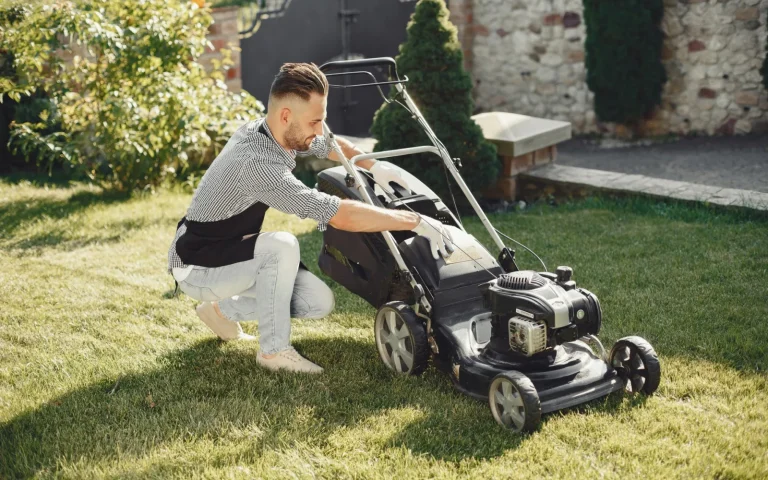
My sister's terrier treated their new robot mower like a rival the first week, barking at it, chasing it, and once trying to ride it across the yard. Pets add a real layer to this decision that childless, petless buyers never think about. It is not just blade safety, though that matters most. It is behavior, waste, sensors, and scheduling all tangled together. The good news is that modern robot mowers are far safer around animals than a push mower ever was. You just need to choose and set one up with your four-legged household in mind.
Why Blade Safety Comes First
The most important feature for any pet owner is how the mower protects paws. Look for small razor-style blades set well inboard from the outer shell, so an animal brushing the edge stays clear of the cutting area. Lift and tilt sensors that stop the blades in a fraction of a second are non-negotiable: the instant a curious dog noses the machine up or tips it, the blades must halt. These features are common even on mid-range models now, so there is no reason to accept one that skips them when a pet is involved.
If you are just getting oriented, How to Choose a Robot Lawn Mower: A Beginner's Guide is the best place to begin.
Sensors That Notice a Pet
Beyond blade design, the mower's awareness matters. Bump sensors that reverse on contact help, but they still mean the machine touches the animal first. Better are models with camera or ultrasonic obstacle avoidance that steer around objects before contact, gentler for a snoozing cat on the lawn. No sensor is a substitute for supervision around a very young or very small pet, but stronger obstacle detection meaningfully lowers the chance of a startling nudge. If your pet loves lounging on the grass, prioritize this awareness over raw cutting speed.
Scheduling Around Your Animals
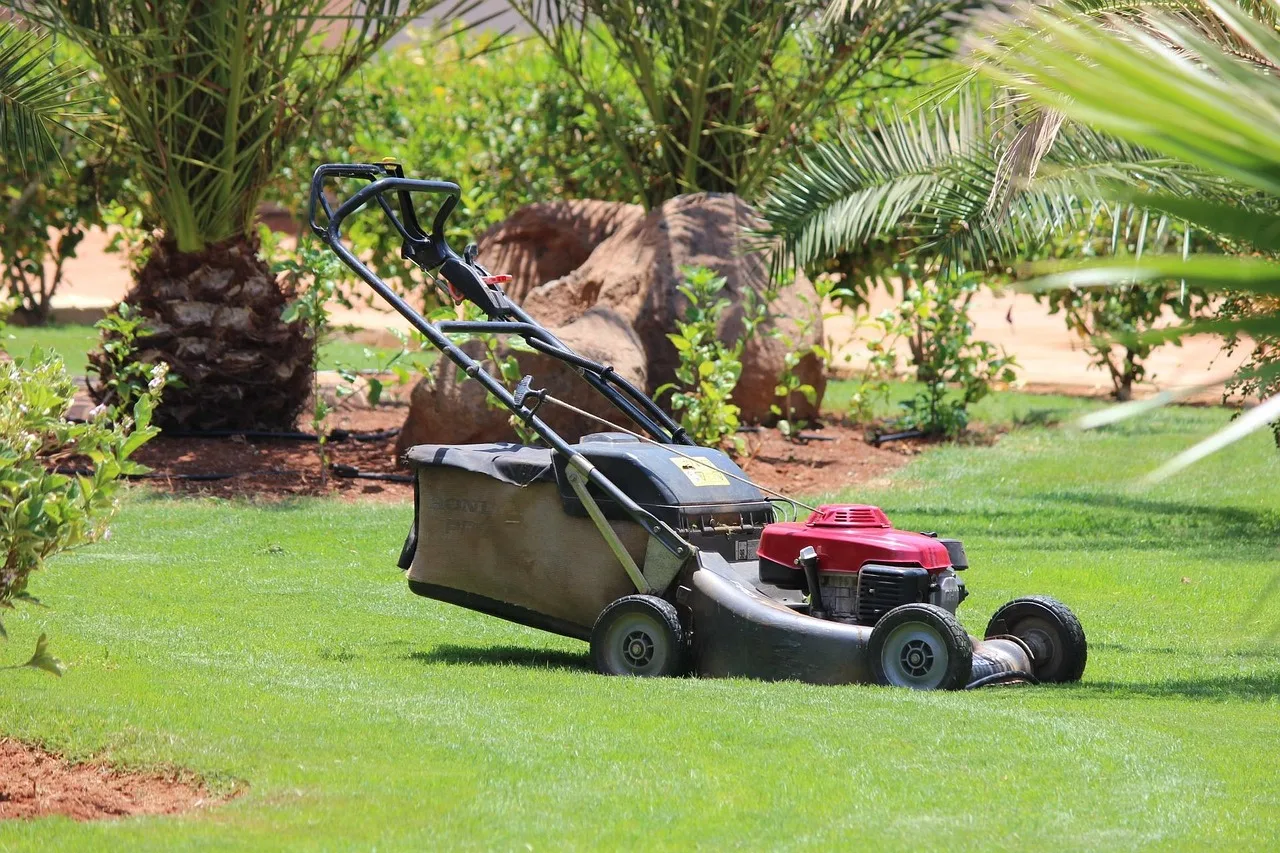
The simplest safety tool is timing. Schedule the mower for hours when pets are indoors, napping inside, or out on a walk, rather than during peak backyard playtime. App-connected models make this easy, letting you shift or pause a run from your phone if the dog is loose. Many owners set mowing for early morning or midday when animals are less active outside. A mower that trims a little every day does not need a long uninterrupted window, so working around your pet's routine is rarely a hardship.
Dealing With Pet Waste on the Lawn
Here is the unglamorous truth: a robot mower will drive straight through dog waste and smear it across the blades and lawn if you let it. This is the number one pet-owner complaint. The fix is routine, not technology. Do a quick poop patrol before each scheduled run, or fence the mower out of a designated pet-toilet corner using a no-go zone. Cleaning the underside and blades regularly keeps things sanitary. It is a small habit, but skipping it turns a tidy lawn into an unpleasant chore fast.
A Pet-Safe Robot Mower Checklist
- Blades set well inboard from the outer edge of the shell
- Lift and tilt sensors that stop blades in a fraction of a second
- Camera or ultrasonic obstacle avoidance where possible
- Bump sensors that reverse the mower on contact
- App scheduling so you can mow when pets are indoors
- A phone pause button for when the dog gets loose
- No-go zones around bowls, doghouses, and dig spots
- A daily waste patrol before each scheduled run
- Regular cleaning of blades and the mower underside
- Toys, bones, and chews cleared from the grass first
- A boundary wire and base kept away from chewers
- Supervision during the pet's first week of adjustment
You will find more on this in Robot Mower vs Hiring a Lawn Service.
Helping a Nervous Pet Adjust
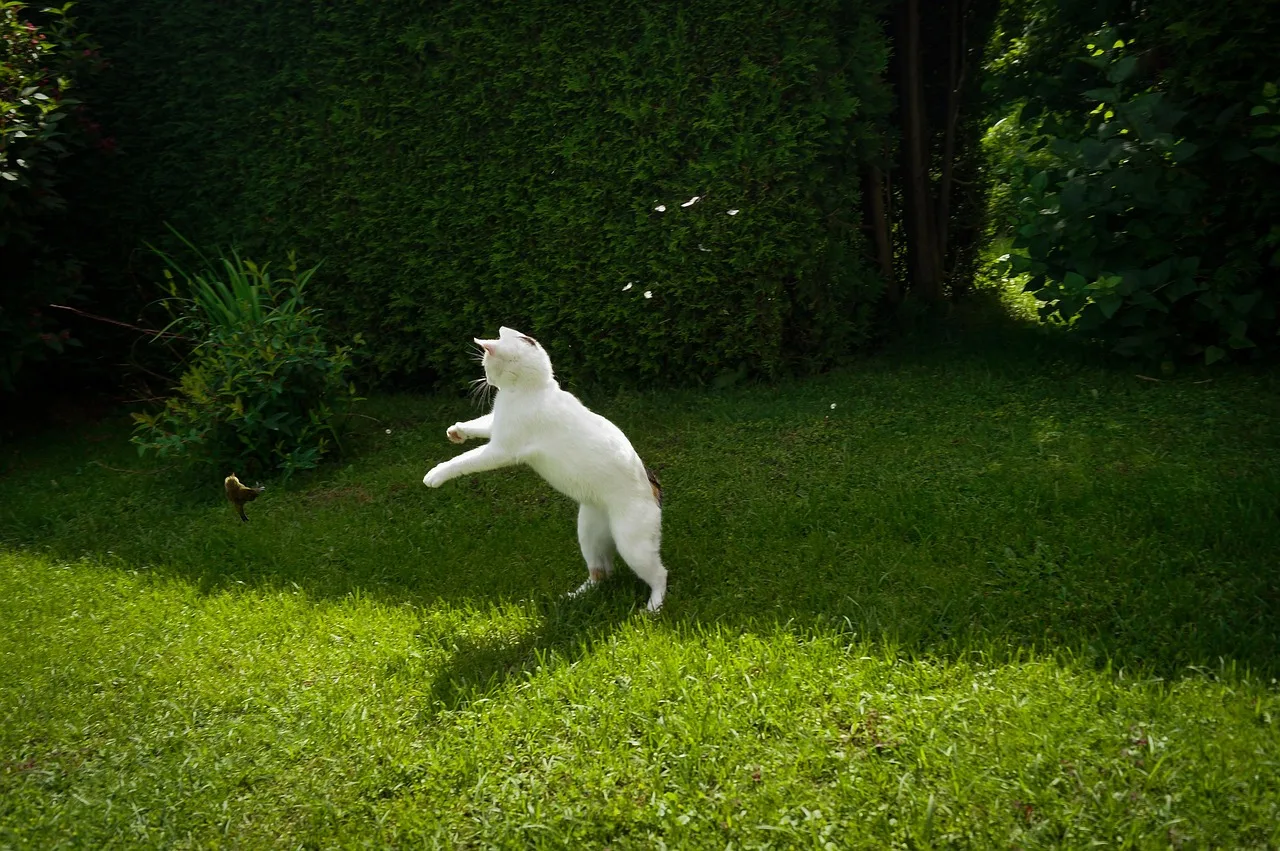
Animals often react to the newcomer, some with curiosity, some with alarm. Introduce the mower while it is switched off, let your pet sniff it, then run it briefly under supervision so they learn it is dull and harmless. Most dogs lose interest within a week or two once the novelty fades. Cats usually ignore it entirely. If a pet remains genuinely stressed or aggressive toward the machine, keep them indoors during runs at first. Patience during that adjustment window prevents both anxiety and the odd attempted attack on the mower.
You can also dig into an overview of how robotic lawn mowers work for the wider science.
Setup Choices That Protect Pets
Thoughtful installation does a lot of the safety work. Set no-go zones around a doghouse, water bowl, or favorite digging spot so the mower never intrudes there. Keep the boundary wire and charging base where a chewer cannot reach the cable easily. Pick up bones, toys, and chews before each run so nothing jams the blades or gets flung. If you have a fenced pet area separate from the main lawn, mapping it out keeps the two worlds apart. A little planning here means the mower and your animals coexist quietly.
Keeping the Charging Base Pet-Safe
The docking station is the one spot a curious animal returns to again and again, because the mower always comes home there. It carries a low-voltage charging current and a set of exposed contacts, and while the voltage is not dangerous, a dog that chews cables or a cat that naps on warm electronics can cause trouble. I would tuck the base against a fence or wall so it is approachable from only one side, then run the power lead through a length of split conduit where it crosses open ground. Some owners fence off a small corner around the dock with low garden edging that the mower can still reach. Check the contacts every couple of weeks for chewed insulation or dried mud from muddy paws. A tidy, sheltered base keeps both the hardware and your pet out of harm's way.
Putting it into practice
Sharing your yard with pets does not rule out a robot mower, it just shapes the choice and the setup. Put blade safety first, favor a model that senses obstacles before touching them, and lean hard on scheduling and no-go zones to keep animals and machine apart. Add a daily waste patrol and a patient introduction week, and the mower quickly becomes part of the background your pets ignore. My sister's terrier eventually decided the thing was boring and now naps right through its runs. That calm coexistence is exactly what a little thoughtful planning buys you.
Many readers move on to What a Robot Lawn Mower Really Costs next.