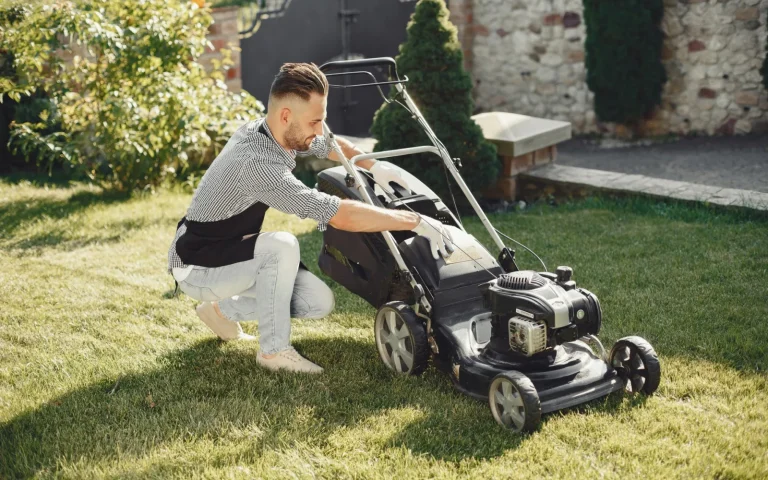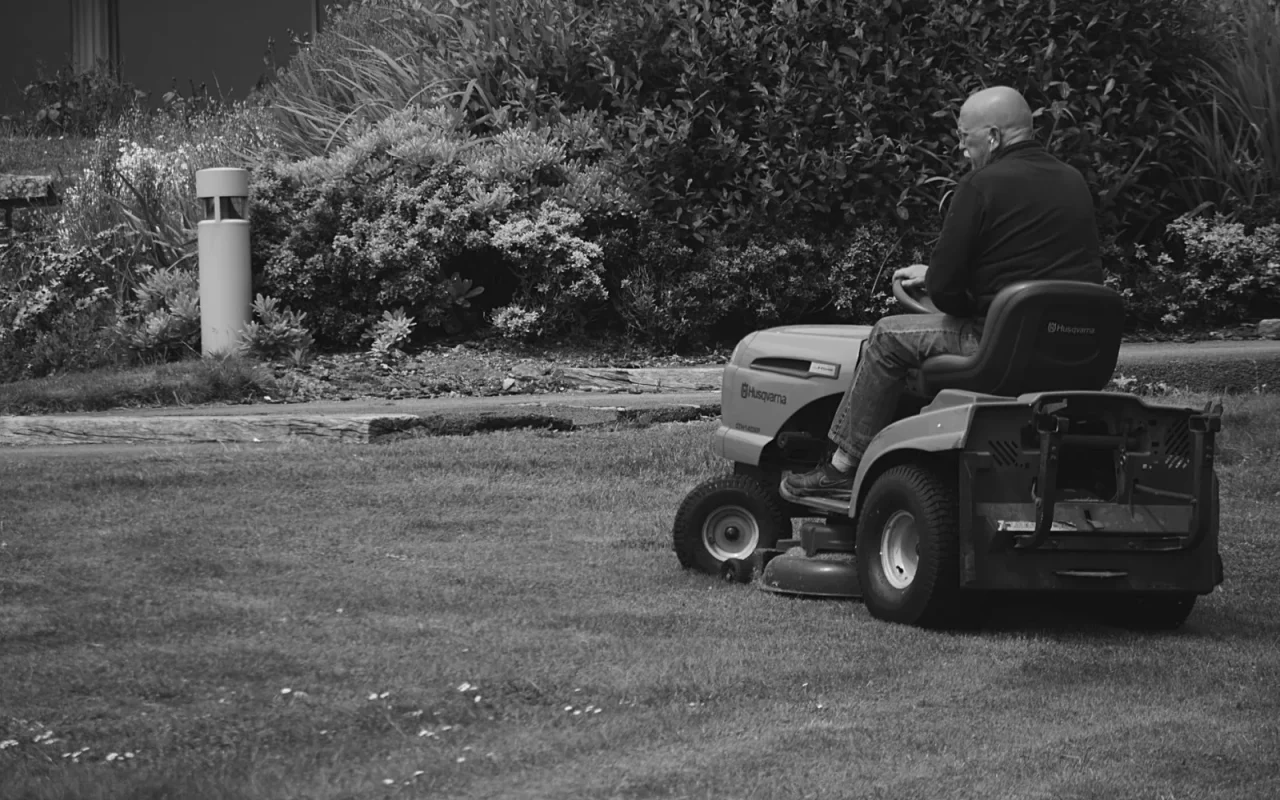
My uncle owns a garden tractor with a cup holder and a headlight, and he loves the thing like a pet. My cousin two towns over has a small robot that ghosts around her back lawn at dawn while she sleeps. Both of them think the other made a strange choice. The truth is they own different problems. One has three acres and a hill; the other has a tidy suburban rectangle. Picking between these machines is less about which is smarter and more about matching the tool to your land, your back, and your weekends.
The Core Difference in How They Work
A riding mower is a scaled down tractor you sit on and steer, cutting a wide swath in one long session every week or two. A robot mower is a small autonomous unit that trims a little grass every day and parks itself to recharge. The riding mower gathers or discharges clippings and gives you that freshly cut look on demand. The robot mulches tiny clippings back into the turf as it goes. One is a scheduled event you attend; the other is a background chore you forget about. That single distinction shapes almost every other trade off below.
New to this? Start with our overview, How to Choose a Robot Lawn Mower: A Beginner's Guide, then come back here.
Where Each One Shines on Size and Terrain
Riding mowers own acreage. If you cut half an acre to several acres, a tractor finishes in the time a robot needs just to warm up, and it powers through tall meadow grass a robot would choke on. Robots suit tidy lawns up to roughly a quarter acre for mid-range models, with premium wire-free units stretching to half an acre or more. Slopes favor the rider for very steep, rough banks, though many robots handle 25 to 45 percent inclines fine. Narrow gates, tight beds, and fenced side yards go to the robot, which slips through gaps a tractor cannot.

Effort, Time, and the Weekend Factor
This is where the robot pulls ahead for a lot of people. Once installed, it asks for a blade change every 6 to 8 weeks and a quick cleaning, and it hands you back an hour or two of every weekend. A riding mower still demands that you show up, fuel up, and drive the pattern, then blow off the deck afterward. If you enjoy the ritual and the quiet lap around the property, that time is not lost to you. If mowing feels like a tax on your Saturday, the robot removes it almost entirely.
Upfront Cost and Long Term Running Costs
A decent residential riding mower runs roughly $1,800 to $4,000, and up sharply for zero-turn or diesel machines. Robot mowers span $400 to $800 for small lawns, $800 to $1,800 for mid-range, and $1,800 to $4,000 for premium wire-free units. On running costs the robot wins quietly: no gasoline, no oil changes, no belts, just blades and electricity measured in pennies a day. The rider needs fuel, filters, oil, blade sharpening, and occasional belt or battery work. Over five years those differences add up, though a rider often lasts longer and holds resale value better.
Quick Head to Head at a Glance
- Best for large acreage and tall grass: riding mower
- Best for tidy lawns under a quarter acre: robot mower
- Least weekly effort once set up: robot mower
- Fastest single session on big lots: riding mower
- Lowest running cost per year: robot mower
- Handles very steep, rough banks: riding mower
- Slips through narrow gates and tight beds: robot mower
- Gives you crisp stripes on demand: riding mower
- Keeps a steady height every single day: robot mower
- Better resale value after five years: riding mower
- Quietest operation, often under 60 dB: robot mower
- Best all-rounder for mixed large properties: own both
Our companion piece, The Best Robot Mowers for Small Lawns, picks up where this leaves off.
Lawn Quality and the Look You Get
Riding mowers give you stripes, crisp edges, and that instant manicured result right after a cut, which fades as the week goes on. Robots keep the lawn at a steady height every single day, so it never looks shaggy, but you will not get bold mower stripes and the very edges still need a trimmer. The daily mulching feeds nitrogen back into the soil, a genuine agronomic benefit that thickens turf over a season. If you crave that ballpark stripe pattern, the rider wins on looks. If you want consistently neat with less thatch, the robot delivers.

It is worth skimming the wider history of lawn mowers for extra context.
The Verdict: Match the Machine to Your Land
There is no universal winner, only a right answer for your yard. Choose the riding mower if you cut half an acre or more, deal with rough or very steep ground, or simply enjoy the job. Choose the robot if you have a tidy lawn under about a quarter to half an acre, value your time, and want a lawn that always looks trimmed without effort. Plenty of larger properties run both: a rider for the back forty and a robot for the show lawn near the house. Buy for the lawn you actually have, not the one in the brochure.
One last thing
Think of these two as answers to different questions rather than rivals. If your land is large, rough, or steep, or if you genuinely enjoy the lap around the property, the riding mower earns its keep. If you have a neat suburban lawn and would rather never think about mowing again, the robot quietly gives you your weekends back. Measure your grass, be honest about the terrain, and picture how you want to spend Saturday morning. The right machine is simply the one that fits the yard you already own.
Many readers move on to The Best Budget Robot Mowers to Consider next.