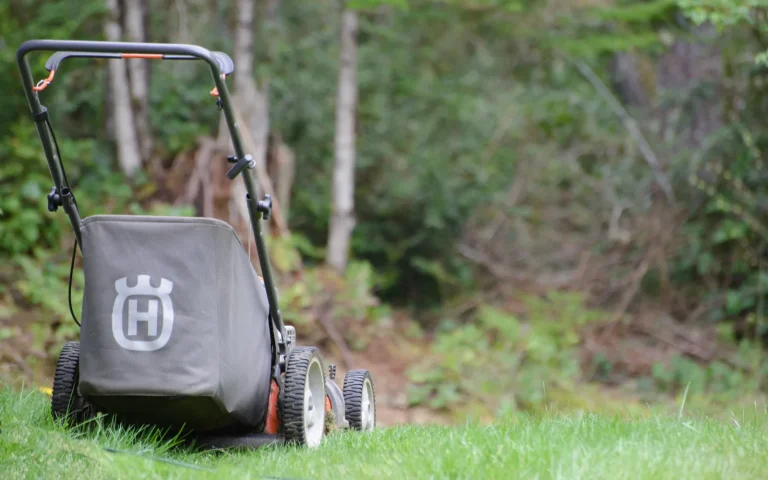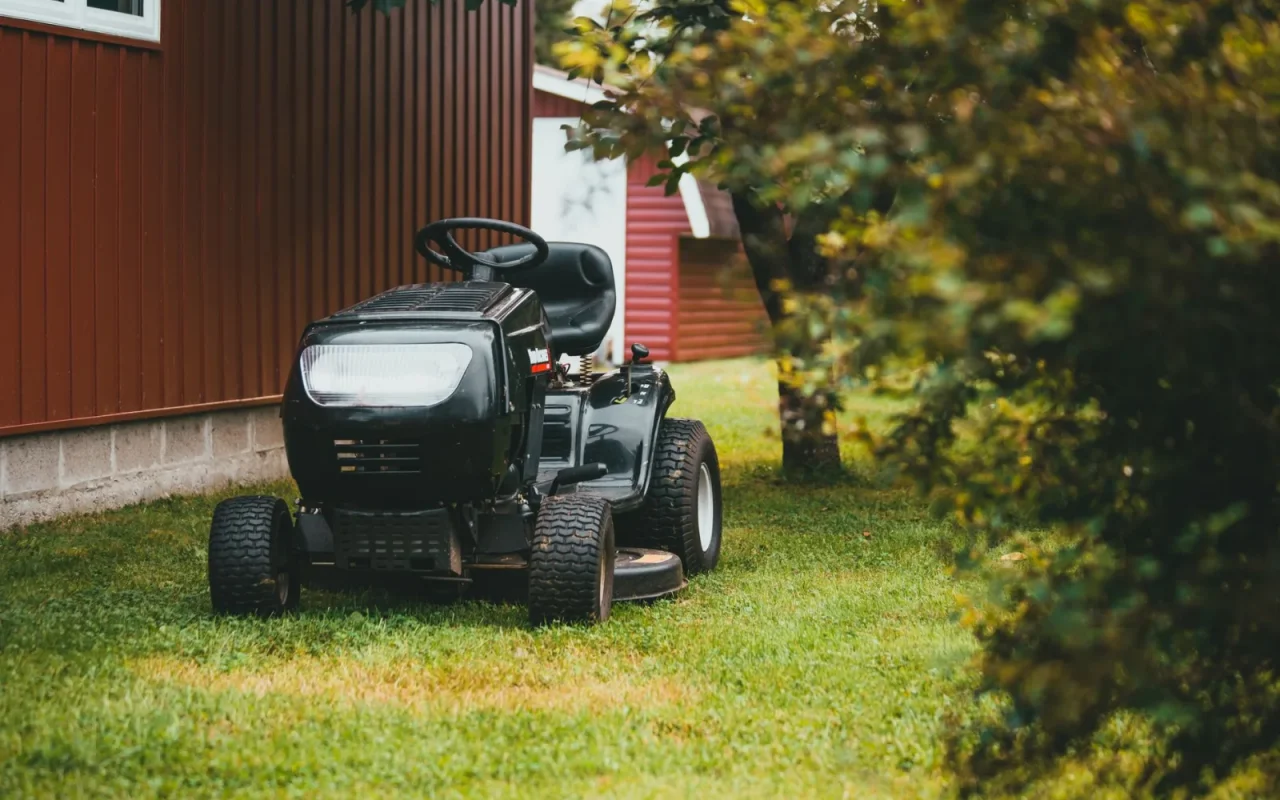
I almost bought a used robot mower for $300 that looked spotless in the photos. It sat on a tidy patio, the shell was clean, and the seller seemed genuine. Then I asked one question over message: how many hours were on the battery? Silence for two days, then an admission that it barely ran twenty minutes before crawling home. That machine needed a $200 pack. The listing price plus the repair matched a brand-new mid-range unit with a full warranty. Buying used can be smart, but the risk hides in a handful of parts you cannot judge from a nice photo.
The Battery Is the Whole Ballgame
On a used robot mower, the battery decides whether you found a bargain or a project. These lithium-ion packs fade with age and cycles, and a tired one that once ran ninety minutes might manage thirty before limping back to charge. Ask the seller how old the machine is, how many seasons it ran, and whether the battery has ever been replaced. If you can, watch it complete a full mow or at least run for twenty minutes without a warning. A replacement pack runs $120 to $300, so factor that into any price. A cheap mower with a dying battery is rarely cheap once you finish the math.
For the bigger picture, our main guide How to Choose a Robot Lawn Mower: A Beginner's Guide sets the scene.
Check the Account Lock Before Money Changes Hands
Modern mowers tie to an owner account through the app, and some brands lock a unit to the original registration for anti-theft reasons. If the seller cannot release the machine from their account, you may be unable to pair it, update firmware, or use GPS features, effectively buying a paperweight. Before paying, confirm the seller will remove the mower from their account and provide the PIN. For GPS and RTK models especially, ask whether the app will let you re-register a transferred unit. This one check prevents the most frustrating used-purchase failure there is.
Inspect the Wheels, Blades, and Underside
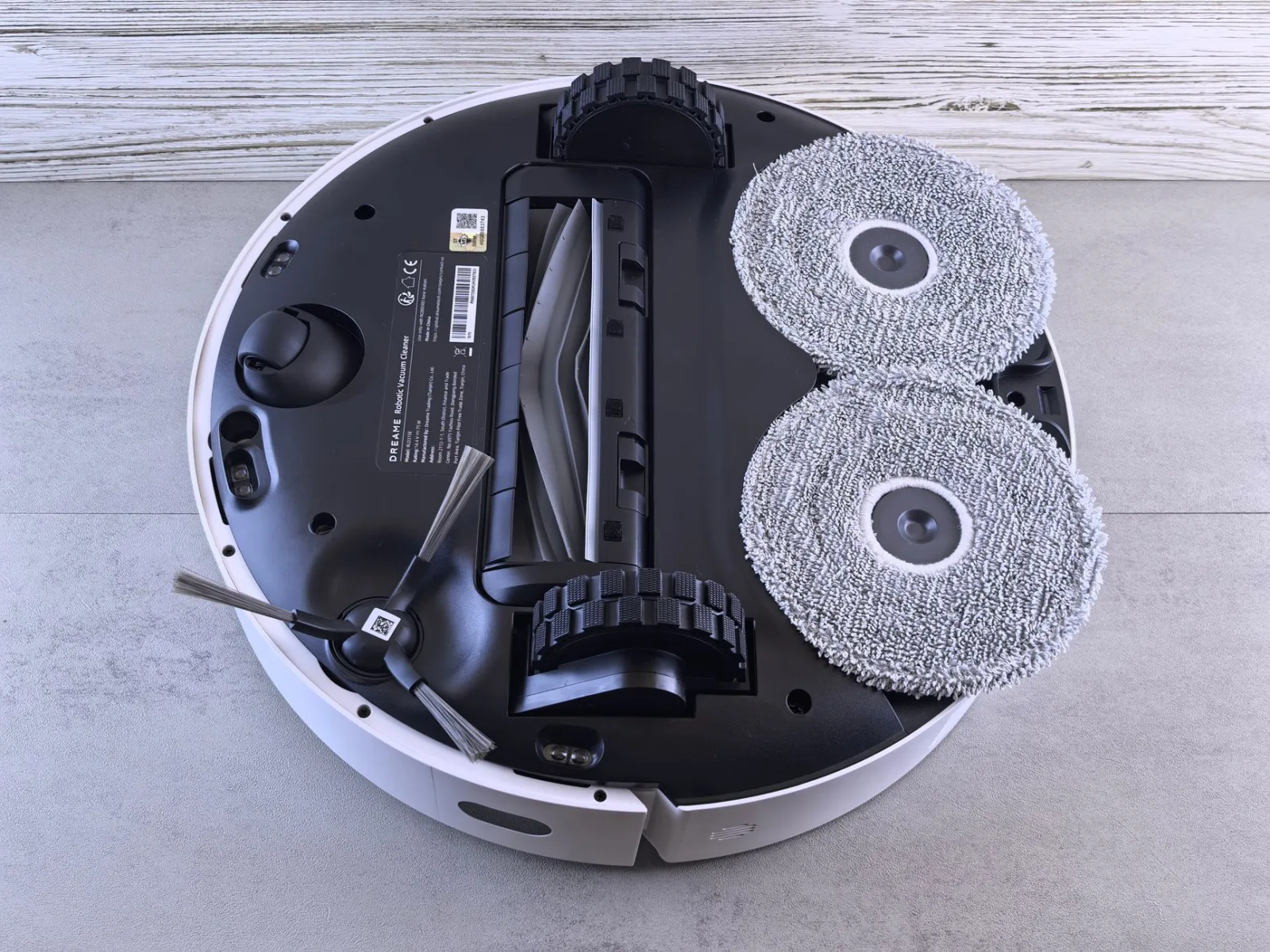
Flip the mower over, carefully and with the power off, and look at the wear. Bald or cracked drive wheels struggle on slopes and wet grass and can be pricey to source. The blade disc should spin freely, and worn blades are a cheap fix at a few dollars, so do not let those scare you off. Grass caked under the deck is normal, but heavy corrosion, a bent chassis, or a cracked shell points to hard use or a fall. Cosmetic scuffs are fine on a machine that lives outdoors. Structural damage is a reason to walk away.
Test the Safety Sensors On the Spot
The safety systems are what stop this thing from being dangerous, so test them before you commit. Lift the mower a couple of inches while the blades are spinning; they should stop almost instantly. Tilt it and expect the same. Press the stop button and the manual bump the shell to confirm the obstacle response reverses it. If any of these feel sluggish or fail, the sensors or wiring may be faulty, which is both a safety issue and an expensive repair. A seller who lets you run these checks calmly is usually a seller with nothing to hide.
Checks to Run Before Buying Used
- Battery age, replacement history, and a live run-time test
- Confirmation the seller will release the app account
- The PIN code and whether re-registration is allowed
- Drive wheel wear, cracks, and slope grip
- Blade disc spin and general blade condition
- Chassis and shell for corrosion or impact damage
- Lift, tilt, and bump safety sensors tested in person
- Charging base, power supply, and correct regional plug
- Boundary wire, guide wire, and pegs included
- Any GPS antenna or base station for wire-free models
- Original box, manual, and proof of purchase if available
- Total cost after likely repairs versus a new unit
You will find more on this in Best Robot Mowers for Large Yards and Acreage.
Ask for the Base, Wire, and Accessories
A robot mower is a system, not just the machine. The charging base, power supply, boundary wire, guide wire, pegs, and any GPS antenna all matter, and replacing missing pieces adds up fast. A boundary-wire model without its dock and wire could cost you $80 to $150 to complete. Ask for photos of everything laid out together. Confirm the correct regional power supply is included, since an imported unit may ship with the wrong plug or voltage. A complete kit with the manual and original box is worth paying a little more for than a bare mower with parts missing.

If you like to read around a topic, see the wider history of lawn mowers.
Do the Real Math on Price
Add the asking price to any likely repairs before deciding it is a deal. A $350 used mower that needs a $200 battery and a $60 wire kit lands near $610, close to a new budget model with a warranty and no unknowns. Used makes the most sense on premium machines, where a two-year-old unit that sold for $2,500 might change hands for $900 and still have years of life left. On budget models the gap is often too small to bother. Check current new prices for the same tier so you know what you are really saving.
The short version
A secondhand robot mower rewards patience and punishes a rushed purchase. The shell tells you almost nothing; the battery, the account lock, the sensors, and the completeness of the kit tell you everything. Watch it run, test the safety stops, confirm the seller can hand over the account, and add any repairs to the asking price before you decide. Do that groundwork and a used machine can save you real money on a mower with years left in it. Skip it, and you inherit someone else's problem at a discount that was never really a discount.
For a closer look, see Robot Mower vs Riding Mower: Which Wins.