Pop the shell off a robot mower and the battery is the part that surprises people. It looks tiny, barely bigger than a paperback, yet it does the whole job of pushing a cutting deck across the grass for an hour or two at a stretch. When friends ask why one model runs 60 minutes and another runs 120, the answer almost always sits in that little pack and how the mower manages it. So here is the plain version, no chemistry degree required, of what is inside these batteries, how they charge, and the handful of habits that decide whether yours lasts three seasons or eight.
What Kind of Battery Is Actually In There
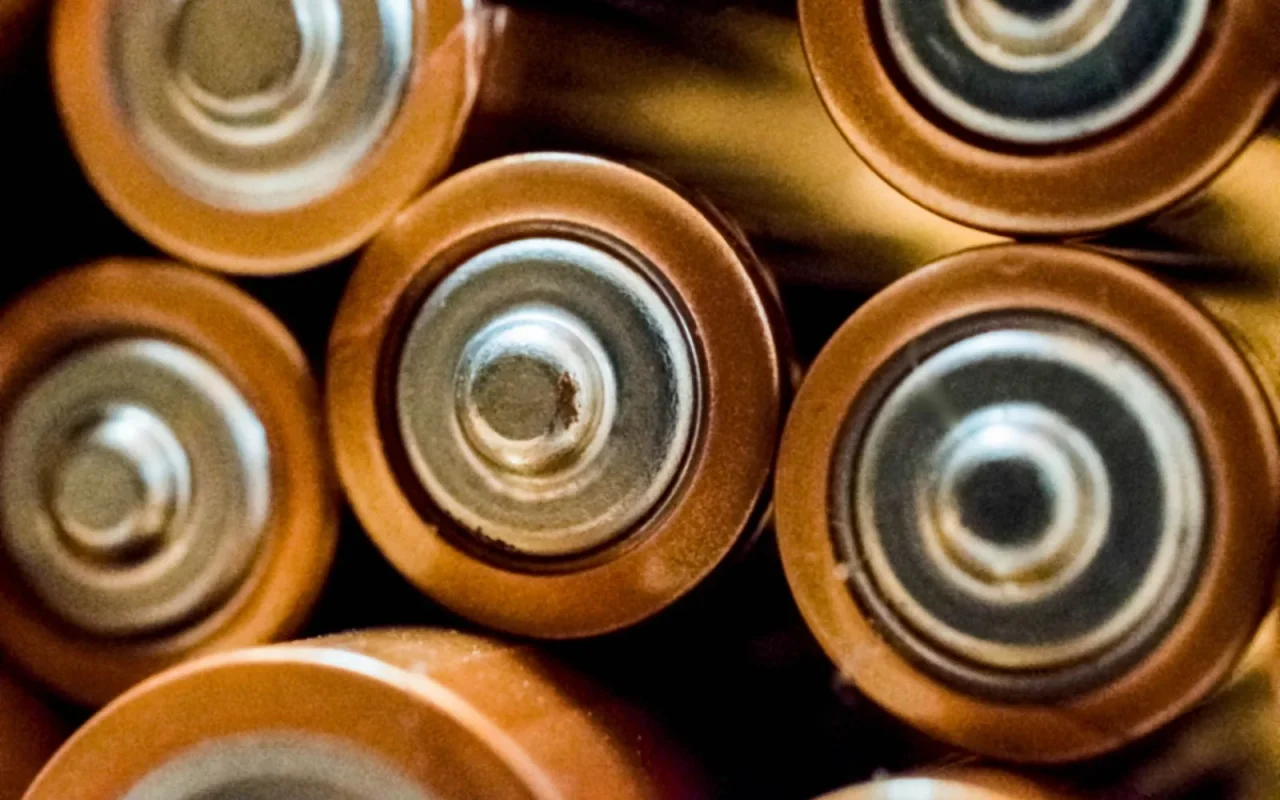
Nearly every current robot mower uses a lithium-ion pack, the same broad family that powers phones and cordless drills. Inside are several small cells wired together, often the cylindrical type you would recognize from a power tool. Older or very cheap machines sometimes used lead-acid or nickel batteries, but those are mostly gone now because they are heavy and hold less energy for their size. Lithium-ion won out because it is light, recharges quickly, and does not lose much when it sits partly full. That last trait matters for a mower that charges and mows in short cycles all day rather than draining flat once.
For the bigger picture, our main guide Robot Mower Smart Features Worth Paying For sets the scene.
Why Run Times Vary So Much Between Models
Two numbers drive run time: the battery capacity, listed in amp-hours or watt-hours, and how hard the mower works the motors. A larger pack simply stores more energy, so a machine built for a half-acre carries a bigger battery than one meant for a small yard. Terrain matters just as much. Cutting thick or wet grass, climbing slopes, and pushing through long growth all drain the pack faster than gliding over a short, dry lawn. Most models land somewhere between 60 and 120 minutes of mowing per charge. That is why a mower rated for two hours in a brochure might only give you 80 minutes on a steep, shaggy September lawn.

How Charging and the Docking Cycle Work
When the battery drops to a set level, usually around 15 to 20 percent, the mower stops cutting and drives back to its charging base. It follows a guide wire or GPS map home, lines up its contacts with the metal terminals on the dock, and refills. A typical recharge takes 45 to 90 minutes. Rather than mow until dead, most machines top up and head back out, which is gentler on the cells than deep discharges. The dock supplies low-voltage power through a transformer, so the base itself stays cool and safe. If the contacts get dirty or corroded, charging slows or stops, which is a common and easily fixed complaint.
The Battery Management System You Never See
Every good lithium pack has a small circuit board called a battery management system, or BMS, tucked alongside the cells. You never interact with it, but it quietly does a lot. It balances the individual cells so none get overcharged, cuts power if the pack gets too hot or too cold, and reports the charge level back to the mower and app. This is why you can leave a modern mower plugged in without cooking the battery, and why it refuses to run in freezing weather. The BMS is also why a swollen or damaged pack should never be forced back into service; the safety system exists for a reason.
Battery Facts Worth Knowing Before You Buy
- Nearly all current models use lightweight lithium-ion cells.
- Capacity is listed in amp-hours or watt-hours; bigger means longer run time.
- Expect 60 to 120 minutes of mowing per charge in most yards.
- Recharging typically takes 45 to 90 minutes at the dock.
- Slopes, thick grass, and wet lawns all drain the pack faster.
- A built-in management system protects the cells and reports charge level.
- Most packs handle several hundred to over a thousand charge cycles.
- Real-world lifespan is usually three to five seasons or more.
- Heat is the biggest factor in premature battery aging.
- Replacement packs commonly cost $80 to $250.
- Clean charging contacts keep the pack topping up reliably.
- Store the mower cool and dry over winter, per the manual.
Our companion piece, How Robot Mower Rain Sensors Work, picks up where this leaves off.
How Long a Pack Lasts and What Kills It
A robot mower battery is usually rated for several hundred to over a thousand charge cycles, which works out to roughly three to five mowing seasons for most owners, sometimes far longer. Heat is the main enemy. Storing the mower in a baking shed or leaving it on a hot dock in full sun ages the cells faster than the mowing itself. Draining the pack fully and often, or freezing it, also shortens its life. The good news is that most packs are replaceable. A new battery typically runs $80 to $250 depending on the model, far cheaper than a whole new machine.

It is worth skimming the RTK positioning technology behind wire-free mowers for extra context.
Getting the Most Life From Your Battery
Treat the pack gently and it will reward you. In peak season, letting the mower run its normal charge-and-mow cycle is fine; the machine is designed for it. For winter, store the mower indoors somewhere cool and dry, and follow the manual on charge level, since many makers suggest storing it around half full rather than flat or completely topped up. Keep the charging contacts clean with a dry cloth, and avoid leaving the mower parked in direct summer sun for weeks. None of this is fussy work, and it is the difference between replacing a battery at year three versus year seven.
Bringing it together
The battery is easy to ignore right up until the day the mower quits early, and by then you wish you had understood it sooner. The short story is simple: a light lithium-ion pack, a smart little management board that protects it, and a charge-and-mow rhythm designed to keep the cells happy. Keep it out of the heat, store it sensibly over winter, and clean the contacts now and then, and you will likely get several good seasons before a swap. When that day comes, a fresh pack is a modest cost, not a reason to junk a machine that still cuts perfectly well.
This connects neatly with Robot Mower vs Robot Vacuum: How Smart Are They?.