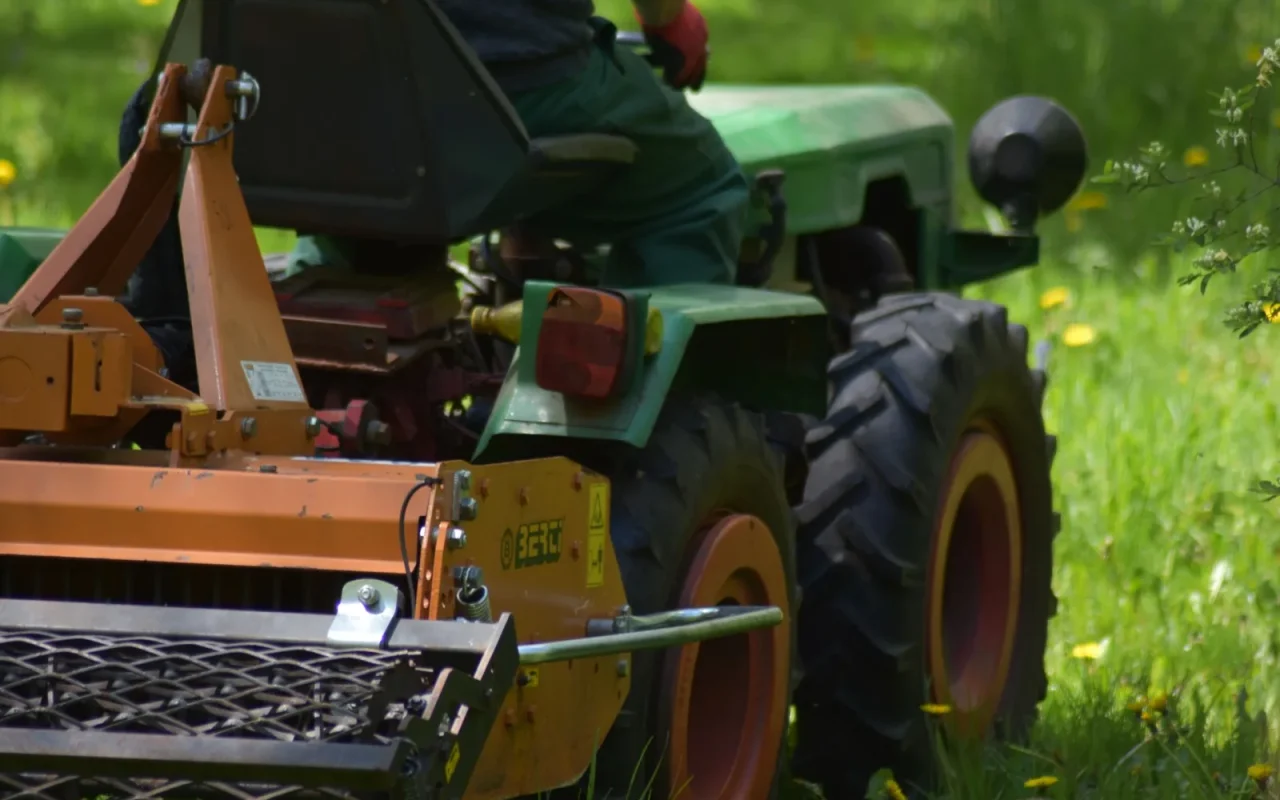
Almost every unhappy robot mower owner I have met made the same small mistake at the point of purchase, and none of them saw it coming. They did not buy a bad machine; they bought the wrong machine for their yard, or skipped a question that would have saved them. The good news is that these errors are predictable and easy to sidestep once someone names them out loud. So rather than another glowing buying guide, here are the seven mistakes I watch people make again and again, each paired with the simple fix.
Mistake One: Undersizing the Mower
The most common error by far is buying a mower rated for less area than the lawn actually has. A machine built for 0.1 acre put on a quarter-acre yard runs all day and still falls behind fast spring growth, leaving the grass looking uneven by midweek. The fix is to measure your true grass area, subtracting driveways, beds, and the house, then buy a model rated 20 to 30 percent above that number. That margin absorbs peak growth and shady patches. Oversizing slightly costs a little more; undersizing ruins the whole experience.
If you are just getting oriented, How to Choose a Robot Lawn Mower: A Beginner's Guide is the best place to begin.
Mistake Two: Ignoring Slopes and Terrain
People fixate on lawn size and forget to look down at the ground. A mower rated for gentle inclines will spin its wheels and stall on a bank it cannot climb, and it will do it repeatedly until you give up. Before buying, walk the yard and note the steepest slope. Most models handle 25 to 45 percent inclines, roughly 14 to 24 degrees, while specialist models with grippy wheels manage far steeper. Match the slope rating to your steepest bank, and remember wet grass cuts traction on any incline no matter what the box promises.

Mistake Three: Overlooking Tree Cover
This one bites buyers who fall for a shiny GPS model without checking their canopy. RTK GPS mowers need a fairly open view of the sky, so a yard shaded by mature trees can leave the signal patchy and the mower confused. The fix is simple: if your lawn sits under heavy tree cover or tight against tall walls, lean toward a boundary-wire model that does not rely on satellites. Look up before you buy. Your trees decide whether wireless navigation will actually work on your property or frustrate you constantly.
Mistake Four: Skimping on Safety Sensors
Chasing the lowest price sometimes means accepting a mower that skips the sensors that matter, and that is a mistake with kids or pets around. You want lift and tilt sensors that stop the blades in a fraction of a second the instant the mower is picked up or tipped, blades set well inboard from the edge, and bump sensors that reverse on contact. These features are common even on mid-range machines now, so there is no good reason to accept a model without them. Do not trade safety for a small saving on the sticker price.
The Buying Mistakes and Their Fixes
- Undersizing the mower: buy 20 to 30 percent above your area
- Ignoring slopes: match the rating to your steepest bank
- Overlooking trees: pick wire for heavily shaded lawns
- Skimping on safety: insist on lift, tilt, and bump sensors
- Forgetting running costs: budget $50 to $100 a year
- Expecting perfect edges: keep a string trimmer handy
- Buying on brand hype: start from your lawn's real needs
- Skipping the sky-view check on any GPS model
- Not confirming the narrowest passage the mower must cross
- Overpaying for zones and mapping a simple lawn never uses
- Failing to check local or HOA rules on night mowing
- Ignoring theft risk without a PIN lock or GPS tracking
If you want to go deeper, our guide to Robot Mower vs Hiring a Lawn Service covers the details.
Mistake Five: Forgetting the Running Costs
Buyers who budget only for the sticker get a mild shock later. Blades wear out every 6 to 8 weeks in season and cost a few dollars up to about $30 a set, a wire can break and need repair, and winter may call for indoor storage. None of it is large, but it adds up if you did not plan for it. The fix is to budget a modest yearly cushion, perhaps $50 to $100, for consumables and the occasional surprise. Knowing the running costs upfront turns them from annoyances into expected, minor line items.
If you like to read around a topic, see an overview of how robotic lawn mowers work.
Mistakes Six and Seven: Perfect Edges and Brand Hype
Two errors round out the list. First, new owners expect a flawless edge-to-edge cut, then feel let down when a strip along the fence stays shaggy. Robot mowers keep their blades inboard from the shell for safety, so they always leave a small uncut border along walls and beds. Keep a string trimmer for those few minutes a week. Second, buyers pick a mower because a name is popular rather than because it fits their yard. Every brand, from Husqvarna Automower to Worx Landroid to Segway Navimow, sells models across many tiers, so start from your lawn's size, slope, and tree cover, then find the model that meets them whatever the badge.
One last thing
None of these seven mistakes come from carelessness. They come from not knowing which question to ask before handing over the money, and every one of them is avoidable in an afternoon. Measure your real grass area, walk the yard for slopes and shade, insist on the safety sensors, plan for the small running costs, and let your lawn pick the machine instead of the marketing. Do that homework first and you skip straight past the regret that trips up so many first-time buyers. The right mower, matched honestly to your yard, disappears into the routine and just keeps the grass looking sharp.
This connects neatly with The Best Robot Mowers for Small Lawns.