The number one reason people end up disappointed with a robot mower has nothing to do with the brand. It is size. They buy a machine rated for a lawn smaller than the one they own, then wonder why the grass looks patchy by Thursday. The first time I helped a friend shop, we spent ten minutes on a satellite map before we even looked at models, and that ten minutes saved him from a costly mismatch. Getting the fit right is mostly arithmetic and honesty about your yard. Do it well and everything else about ownership gets easier.
Measure the Grass, Not the Property
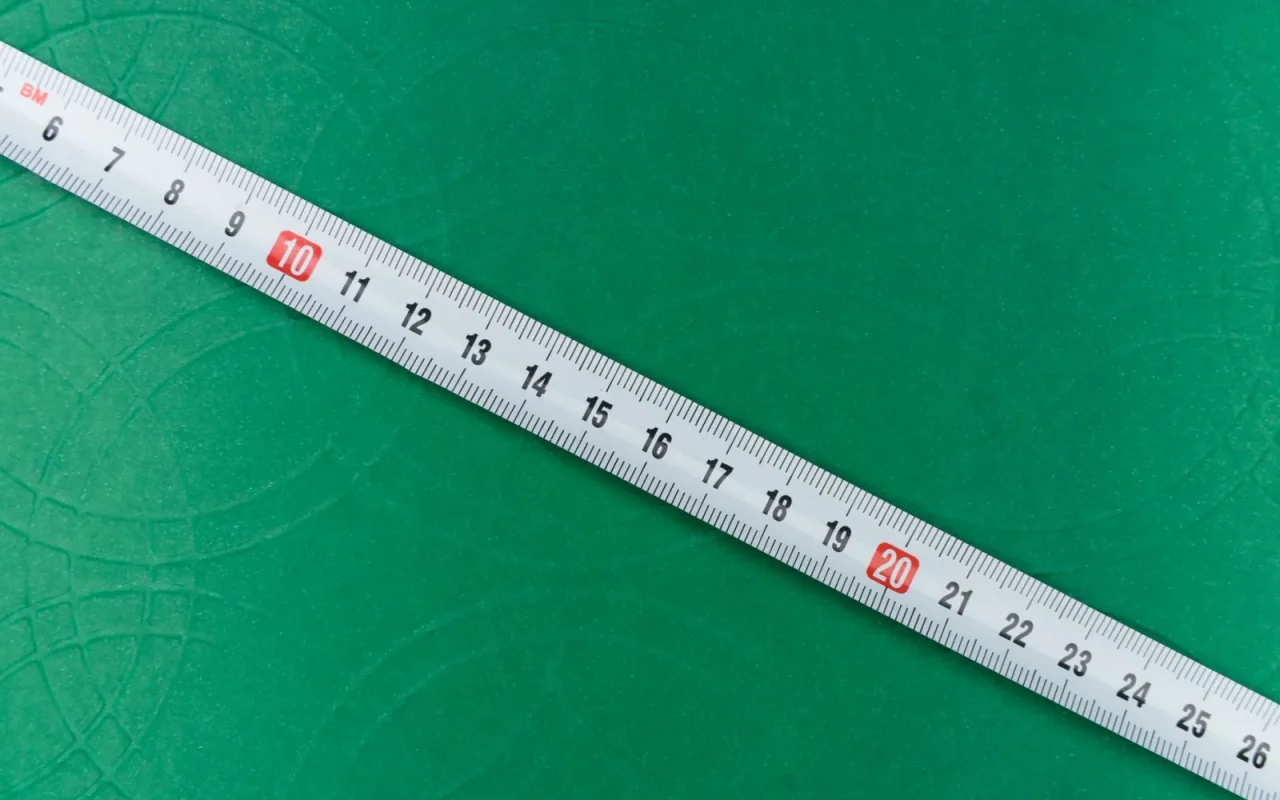
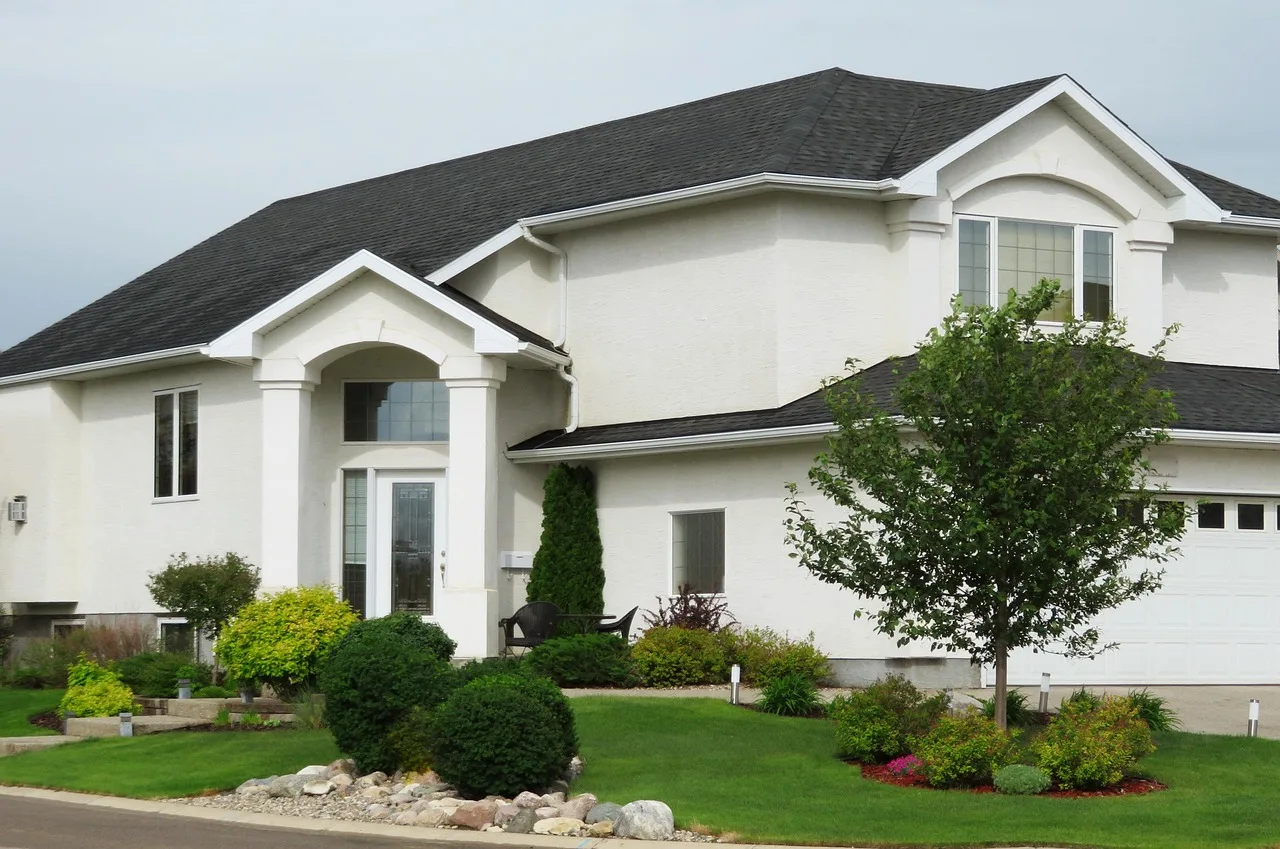
Start by measuring only the grass you actually cut, in square feet or square meters. Your lot might be a quarter acre on paper, but the house, driveway, patio, beds, and paths all subtract from the mowing area. Pull up your address on a satellite map tool and outline just the turf, or pace the lawn and multiply length by width for each section. Add the sections together. This single figure drives everything that follows, so take a few minutes to get it close. Overestimating the grass area is safer than underestimating, since it pushes you toward a mower with headroom.
For the bigger picture, our main guide How to Choose a Robot Lawn Mower: A Beginner's Guide sets the scene.
Understand How Coverage Ratings Work
Every robot mower lists a maximum area it can maintain, and that number assumes the machine runs on a sensible daily schedule. A model rated for 500 square meters, roughly 0.1 acre, is built for small lawns. Mid-range units cover up to about a quarter acre, while premium wire-free machines handle half an acre and beyond. The rating factors in battery run time, usually 60 to 120 minutes, plus recharge cycles of 45 to 90 minutes. A mower does not cut its whole rated area in one pass; it nibbles across the day and week, which is why matching matters.
Build in a Safety Margin
Never buy a mower rated for exactly your lawn size. Grass grows fast in spring, rain steals mowing days, and cluttered yards slow the machine down as it navigates obstacles. Give yourself a comfortable buffer of 20 to 30 percent above your measured area. If your lawn is 400 square meters, shop for a model rated around 500 to 550. That margin absorbs a soggy week, a growth spurt, or a day the mower spends dodging a new trampoline. Undersizing is the classic mistake, and it shows up as uneven grass that the mower never quite catches.
Factor In Shape and Complexity
Two lawns of the same square footage can behave very differently. A simple open rectangle lets a mower work efficiently, while a lawn split into narrow strips, islands, and passages forces it to spend time traveling rather than cutting. Complex shapes effectively shrink a mower's real coverage, so lean toward a larger rating if your yard is chopped up. Multiple separate zones may need a model that supports several areas or a bit of manual moving between them. Walk the lawn and note tight gates, side yards, and disconnected patches before you settle on a size class.
Steps to Match a Mower to Your Lawn
- Outline only the grass on a satellite map, not the whole lot
- Subtract the house, driveway, patio, beds, and paths
- Measure and add up any separate lawn sections
- Convert to square feet, square meters, or acres
- Add a safety margin of 20 to 30 percent
- Note the steepest slope and narrowest passage
- Count how many disconnected zones you have
- Check the mower's rated area against your padded number
- Compare battery run time and recharge to your area
- Confirm your allowed mowing hours per local rules
- Pick the price tier that fits your final size
- When in doubt between tiers, size up not down
We break down the next step in Robot Mower Specs Explained in Plain English.
Match Size to Battery and Schedule
Bigger lawns lean on longer battery run time and smart scheduling to stay ahead. A small yard might be maintained in a couple of short sessions a day, while a larger one needs the mower out for hours across a longer window. Check the run time and recharge figures against your area, and confirm the app lets you set enough mowing hours per week. If local rules or an HOA restrict night mowing, you lose part of your window, which nudges you toward a mower with more capacity so it can finish the job within allowed daytime hours.
If you like to read around a topic, see an overview of how robotic lawn mowers work.
Sanity Check Against Real Price Tiers
Once you know your area and margin, the price tier usually falls out naturally. Small lawns up to 0.1 acre fit budget models at $400 to $800. Quarter-acre suburban yards land in the mid-range at $800 to $1,800. Half an acre and up calls for premium units from $1,800 to $4,000 that often use wire-free GPS and multi-zone mapping. If your measured size sits near a boundary between tiers, size up rather than down. The extra capacity costs a little more today but spares you the weekly frustration of a mower that can never quite keep pace.
Before you head outside
Matching a mower to your lawn is not glamorous, but it is the decision that quietly determines how happy you will be. Spend the ten minutes with a satellite map, subtract everything that is not grass, and pad the result by a fifth or more. Let that padded number pick your size class and price tier, sizing up whenever you hover on a boundary. Get this right and your mower simply keeps the lawn neat in the background. Get it wrong and you spend the season watching the grass win. Measure first, then shop.
You will find more on this in Robot Mower Brands Compared: What Sets Them Apart.